





An Unprecedented Development Boom
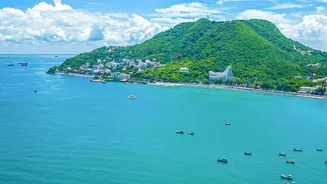
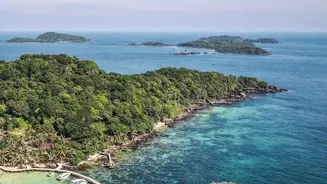
Phu Quoc, often called 'Pearl Island,' is at the center of a tourism and infrastructure investment wave that is reshaping Vietnam's international image. According to a recent report in Fortune magazine, the pace of development is something rarely seen,
with one executive describing it as unlike anything in any other country, even the Middle East. The primary catalyst for this frantic activity is the upcoming Asia-Pacific Economic Cooperation (APEC) Leaders' Week, which Phu Quoc will host in 2027. This major diplomatic event has provided a firm deadline for a slate of ambitious projects designed to elevate the island into a world-class destination. While specific 2026 visitor targets remain fluid, the island welcomed over 7.5 million visitors in the first 11 months of 2025 alone, with international arrivals surging by 81% to nearly 1.6 million, far exceeding annual goals. This performance sets a strong foundation as the island moves through 2026.
The Blueprint for Rapid Growth
The island's success isn't accidental; it's the result of a coordinated strategy involving both public policy and massive private investment. A key factor is Vietnam's increasingly open visa policy, which has expanded visa exemptions and extended lengths of stay for travelers from key markets. This makes it easier for international visitors to choose Phu Quoc, which already benefits from a special 30-day visa-free policy for all nationalities. This is complemented by a huge push in infrastructure. Sun Group, a major Vietnamese developer, is spearheading numerous projects, including a massive expansion of Phu Quoc International Airport to raise its capacity from around 5 million passengers to 24 million annually. The developer is also building a hotel 'city' bringing together 13 high-end brands, part of a plan to add over 17,000 luxury rooms and apartments. In early 2026, ground was broken on two mega-projects set to add approximately 12,000 rooms and commercial spaces specifically for the APEC summit.
More Than Just a Summit
While APEC 2027 is the immediate driver, the vision for Phu Quoc extends far beyond a single event. The goal is to create a self-sustaining international hub for tourism, conferences, and entertainment. The new infrastructure, including an expanded airport, a new light rail line, and modern convention centers, is intended for long-term use, boosting the island's capacity and appeal for decades to come. Investors are creating entire ecosystems, not just isolated resorts. For example, the developer-led 'Sunset Town' already features nightly fireworks shows to entertain visitors. This strategy aims to increase the quality of the visitor experience, encourage longer stays, and boost tourist spending, making Phu Quoc more competitive with established regional destinations like Phuket or Bali. The island's natural attractions, including vast national parks that cover much of its area and a 150-kilometer coastline, remain a core part of its appeal.
The Challenge of Sustainable Growth
Such rapid development does not come without significant challenges. The primary concern is sustainability. With roughly two-thirds of the island covered in forest, balancing mega-projects with environmental protection is a critical test. The Prime Minister has called on developers to prioritize green development, digital transformation, and environmental protection during construction. Another challenge is ensuring that demand keeps pace with the massive increase in supply. Phu Quoc International Airport was already operating beyond its designed capacity before the expansion began, indicating existing strain. The real test will be whether the island can attract enough tourists to fill the tens of thousands of new hotel rooms and keep the integrated economy viable long after the APEC delegates have departed. For local authorities, the focus is now on greening the island, upgrading services, and promoting Phu Quoc globally to secure its future as a modern, safe, and livable destination.