




The Unseen Ripening Signal
Ethylene is a colorless, odorless gas and a crucial plant hormone that regulates a plant's growth and development. For fruits like bananas, apples, and avocados—known as climacteric fruits—ethylene acts as the master switch for ripening. These fruits can
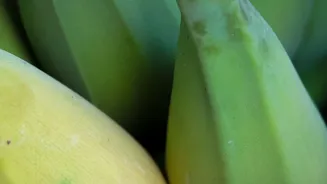
be picked when they are mature but still green and hard. Once they start producing ethylene, or are exposed to it, a cascade of biochemical changes begins, transforming them into the delicious produce we love to eat. This process is autocatalytic, meaning that once it starts, the fruit produces even more ethylene, accelerating its own ripening and that of its neighbours in the fruit bowl.
How Bananas Get Soft
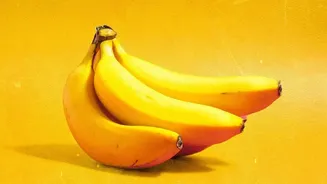
A key part of a banana's transformation is its change in texture from firm and starchy to soft and yielding. Ethylene is directly responsible for this. It activates specific enzymes, such as pectinase, which go to work on the fruit's cellular structure. These enzymes begin to break down pectin, a complex carbohydrate that acts like a glue holding the plant's cell walls together. As the pectin and other structural components degrade, the cell walls lose their rigidity, causing the flesh of the banana to soften considerably. This process is essential for making the fruit palatable and easy to eat.
The Science of Sweetness
An unripe banana is starchy and not very sweet. The sweetness we associate with a ripe banana is another direct result of ethylene's influence. The hormone triggers enzymes like amylase to start breaking down the long, complex starch molecules stored within the fruit into simpler, sweeter sugars like sucrose, fructose, and glucose. This conversion from starch to sugar is a fundamental part of the ripening process, dramatically changing the fruit's flavour profile and providing the quick energy burst bananas are famous for. This process continues until most of the starch has been converted, which is when a banana is at its peak sweetness.
Creating the Classic Banana Aroma
The characteristic, almost tropical scent of a ripe banana is no accident. It’s a carefully crafted cocktail of volatile organic compounds, primarily esters, that are produced during the final stages of ripening. Ethylene plays a continuing role in signalling the production of these aroma compounds. As the fruit ripens, the concentration of these esters, such as isoamyl acetate (which is often used as banana flavouring in sweets), increases significantly, giving the fruit its distinctive and appealing smell. This aroma serves an evolutionary purpose, signalling to animals that the fruit is ripe, full of sugar, and ready to be eaten, which helps the plant spread its seeds.
From Farm to Fruit Bowl
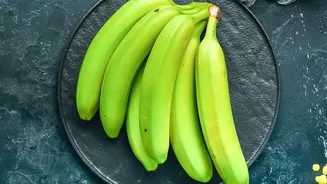
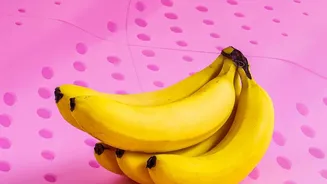
The commercial fruit industry has harnessed the power of ethylene for decades. Bananas are harvested and shipped while still green and unripe, which makes them easier to transport without bruising. Once they reach their destination, they are placed in special ripening rooms where they are exposed to a controlled concentration of ethylene gas. This mimics the natural ripening process, ensuring that large batches of bananas ripen uniformly and are ready for store shelves at just the right time. This controlled process is why you can almost always find perfectly yellow bananas at the supermarket.
Kitchen Chemistry You Can Use
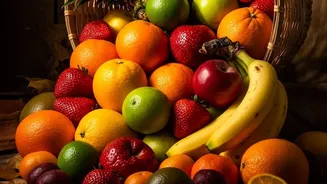
You can use this science to your advantage at home. Want to ripen an avocado, a hard pear, or a green tomato more quickly? Place it in a paper bag with a ripe banana. The bag will trap the ethylene gas produced by the banana, accelerating the ripening of the other fruit. Conversely, if you want to keep your bananas from getting overripe too quickly, separate them from each other and keep them away from other ripe fruits. Don't store them in a closed bag or container, as this will concentrate the ethylene and speed up their decline into brown, mushy banana bread candidates.