






The Human-Made Epic
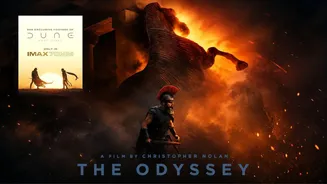
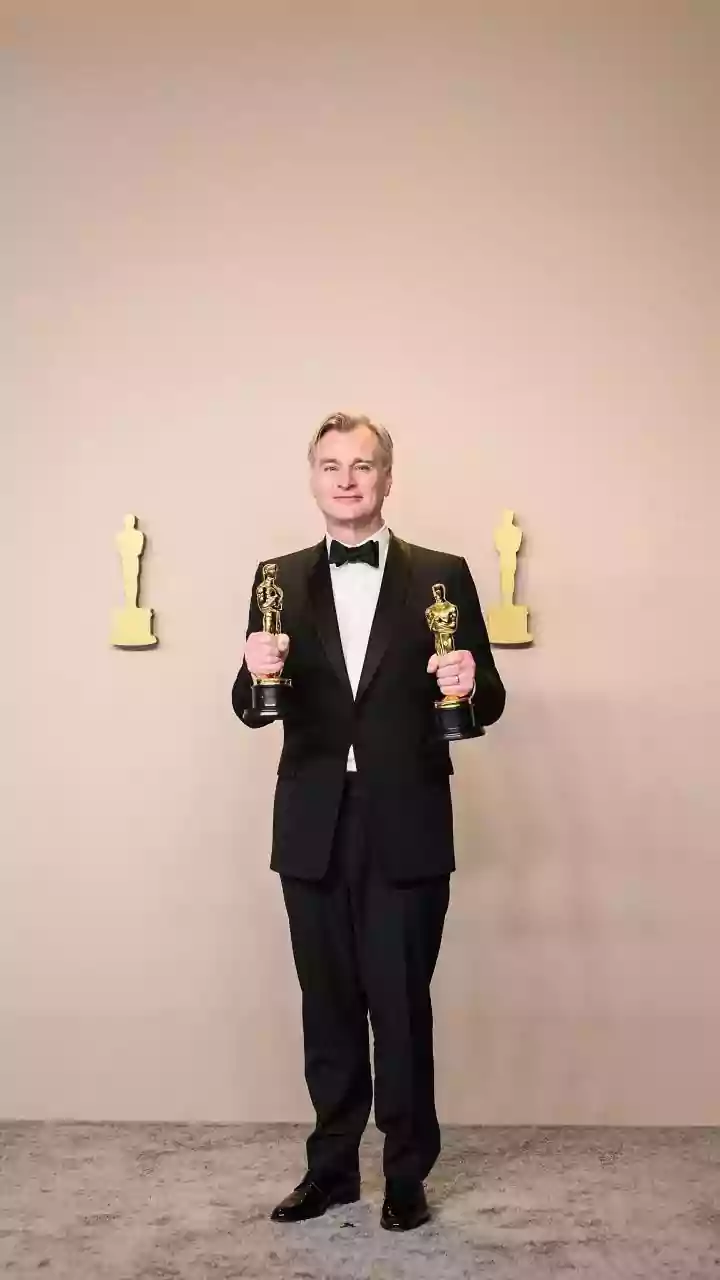
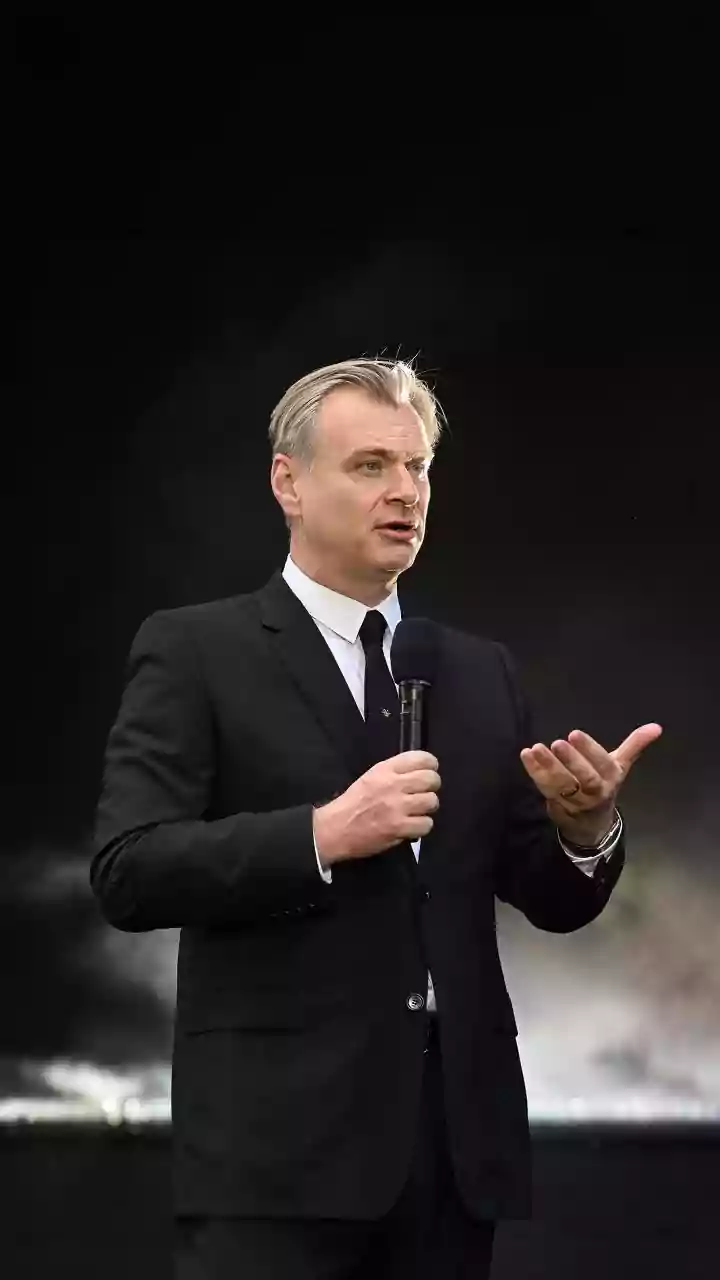
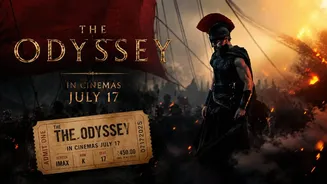
Anticipation for Christopher Nolan’s ‘The Odyssey’ has been building for months, positioning it as a cinematic event. Following his Oscar-winning success with ‘Oppenheimer,’ Nolan was reportedly given a blank check to adapt Homer's classic poem, resulting
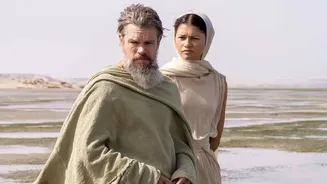
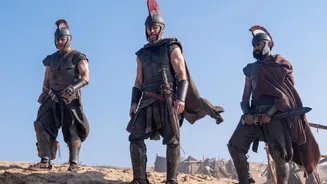
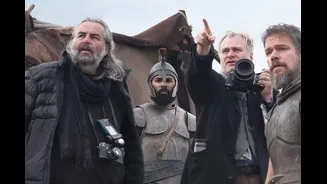
in a nearly three-hour epic with a budget of $250 million. The film boasts one of the most star-studded casts in recent memory, including Matt Damon as Odysseus, alongside Tom Holland, Zendaya, and Anne Hathaway. It was filmed with groundbreaking IMAX cameras to create a tactile and immersive experience, representing the pinnacle of human-led filmmaking. To build excitement, the film has launched major marketing tie-ins, including a companion game on Roblox and character skins in Fortnite. It’s a blockbuster in every sense of the word, built on human creativity, immense resources, and artistic vision.
The AI Challenger Emerges
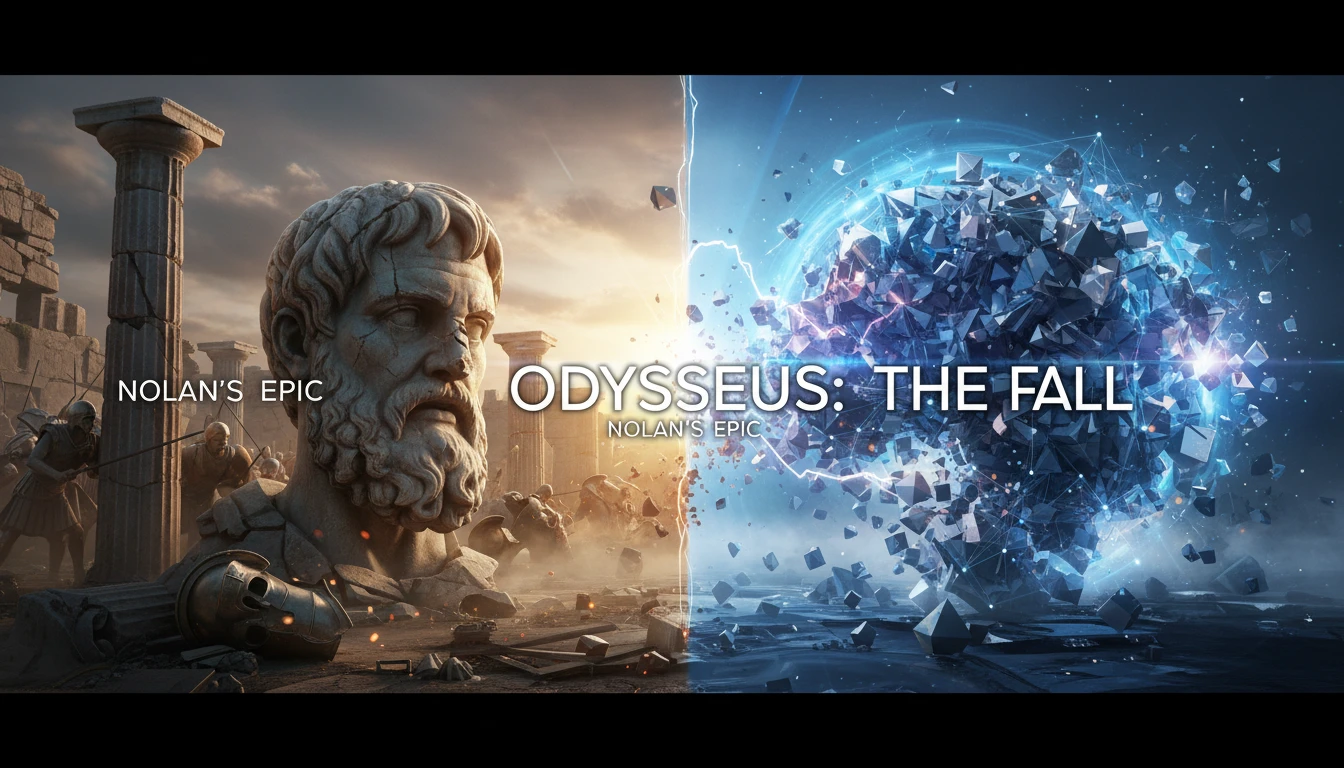
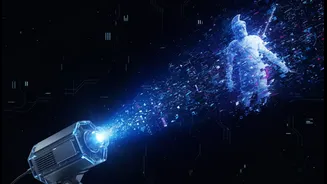
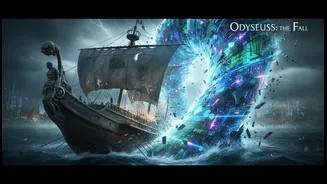
Just as Nolan's film prepares for its global debut, a small AI film studio named Fountain O announced its own version, titled ‘Odysseus: The Fall’. This isn't a traditional movie. It is a 135-minute feature film that was created entirely using generative artificial intelligence. The AI company, led by director Ash Koosha, developed the movie with a tiny budget in the mid-five figures, a mere fraction of Nolan's $250 million. While the actors, sets, and cameras are all AI models, the company claims the script and voice cast involved human creativity. This project represents a new frontier of disruption, moving beyond the direct-to-DVD knockoffs of the past into the realm of AI-generated competition. It aims to attract audiences who are curious to see how a machine's interpretation of the epic journey compares to that of a celebrated human director.
Artistry vs. Algorithm
The simultaneous release of these two films creates a stark contrast in filmmaking philosophy. Nolan’s ‘The Odyssey’ is a product of meticulous human craftsmanship, from the performances of its A-list actors to the specific choices made by the director and cinematographer. Its potential flaws will be the result of human decisions and artistic interpretation. On the other hand, ‘Odysseus: The Fall’ showcases the current state of AI-generated content. Trailers and clips from similar AI projects reveal striking visuals but often suffer from uncanny-looking characters and stilted dialogue. Fountain O’s previous AI-generated film, ‘Dreams of Violets,’ was criticized for telling an important human story without any real humanity. While the technology is advancing rapidly, it still struggles to replicate the nuance and emotional depth that human creators bring to storytelling. The AI film's creators even admit they expect audiences will find Nolan's version to be the superior adaptation.
A Glimpse into the Future?
This box office battle is more than just a curiosity; it's a real-world test case for the future of entertainment. For decades, the industry has been defined by big budgets and star power. ‘The Odyssey’ is the embodiment of that model. ‘Odysseus: The Fall’ presents a radically different approach, one where content can be generated quickly and cheaply. While critics and even Nolan himself have expressed skepticism about AI's ability to replace human creativity, the technology's rapid advancement cannot be ignored. The rise of generative AI in gaming, where it is used to create assets and even dynamic storylines, shows a clear trend toward integrating this technology into creative fields. The question is no longer if AI will be part of the process, but how. This summer's dueling epics offer a fascinating, if lopsided, preview of that future.