







Beyond the Buzzword: What Is a Sustainable Diet?
Before chasing an ideal, it helps to know what “sustainable” really means in this context. It’s not just about the environment. A truly sustainable diet is one that is healthy for people, has a low environmental impact, is affordable and accessible, and is culturally
acceptable. This four-pillar approach—planet, health, economics, and society—shifts the focus from a rigid set of rules to a more flexible framework. It acknowledges that what works for one family may not work for another. The goal is to find a balance that supports your family's well-being and the planet's health without causing financial or logistical stress. It's about making better choices, not perfect ones.
Embrace a 'Plant-Forward' Plate
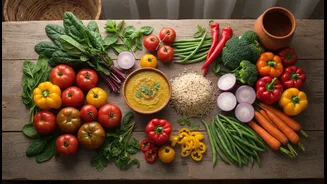
One of the most impactful changes you can make is to shift towards a more plant-forward diet. This doesn’t mean you must go fully vegetarian or vegan. It simply means making plant-based foods—like vegetables, fruits, beans, lentils, and whole grains—the star of your meals more often. Diets rich in plants have been shown to reduce the risk of chronic diseases, support a healthy immune system, and help with weight management. You can start small with ideas like “Meatless Mondays” or by reducing the portion of meat in a dish and adding more vegetables or legumes like beans and lentils, which are both sustainable and budget-friendly protein sources.
The Smartest Strategy: Waste Less Food
Globally, a massive amount of food produced is never eaten, and a significant portion of that waste happens at home. Tackling food waste is perhaps the most practical and cost-effective way to make your diet more sustainable. Start by planning meals for the week before you shop, taking inventory of what you already have. This prevents impulse buys that often languish in the fridge. Get comfortable with your freezer; it’s perfect for saving leftovers or produce that’s about to turn. Also, learn to distinguish between "best by" dates (a suggestion for quality) and "use by" dates (a marker for safety). Repurposing leftovers and using vegetable scraps to make broth are other simple habits that cut waste and save money.
Shop with Intention and Awareness
While affordability is a major barrier for many, thoughtful shopping can make a difference. Buying seasonal produce often means it’s fresher, tastier, and cheaper because it's more abundant. Shopping at local farmers' markets can also be a great way to support your local economy and reduce the carbon footprint associated with long-distance food transport. When you are at the supermarket, buying in bulk can sometimes reduce both cost and packaging waste, but only if you are sure you will use it all. The most important rule is to buy only what you need. A well-thought-out shopping list is a powerful tool against both overspending and food waste.