





Japan's Backup Plan
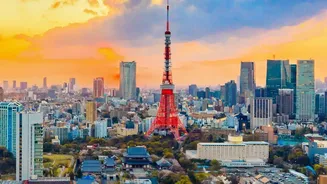
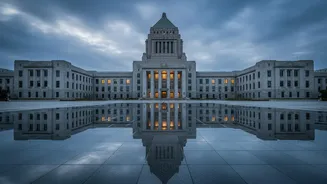
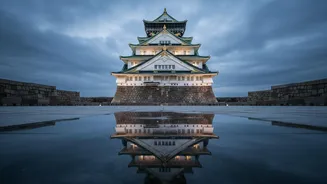
In July 2026, Japan's parliament passed legislation to create a 'backup' or 'secondary' capital. This wasn't a plan to move the capital entirely, but rather to designate one or more cities that could take over essential government and administrative functions
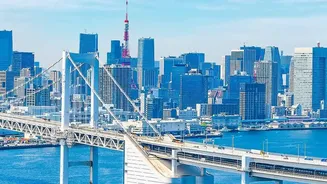
if Tokyo were paralyzed by a major disaster. The primary motivation is the high risk of a catastrophic earthquake. The government estimates a 70% chance of a magnitude 7 or greater earthquake hitting the Tokyo area within the next 30 years, an event that could trigger a global economic crisis. The new law allows the Prime Minister to designate alternative hubs, with cities like Osaka, Fukuoka, and others expressing interest. The goal is resilience—ensuring the continuity of the Japanese state even if its primary nerve center is knocked offline.
Delhi's Chronic Overload
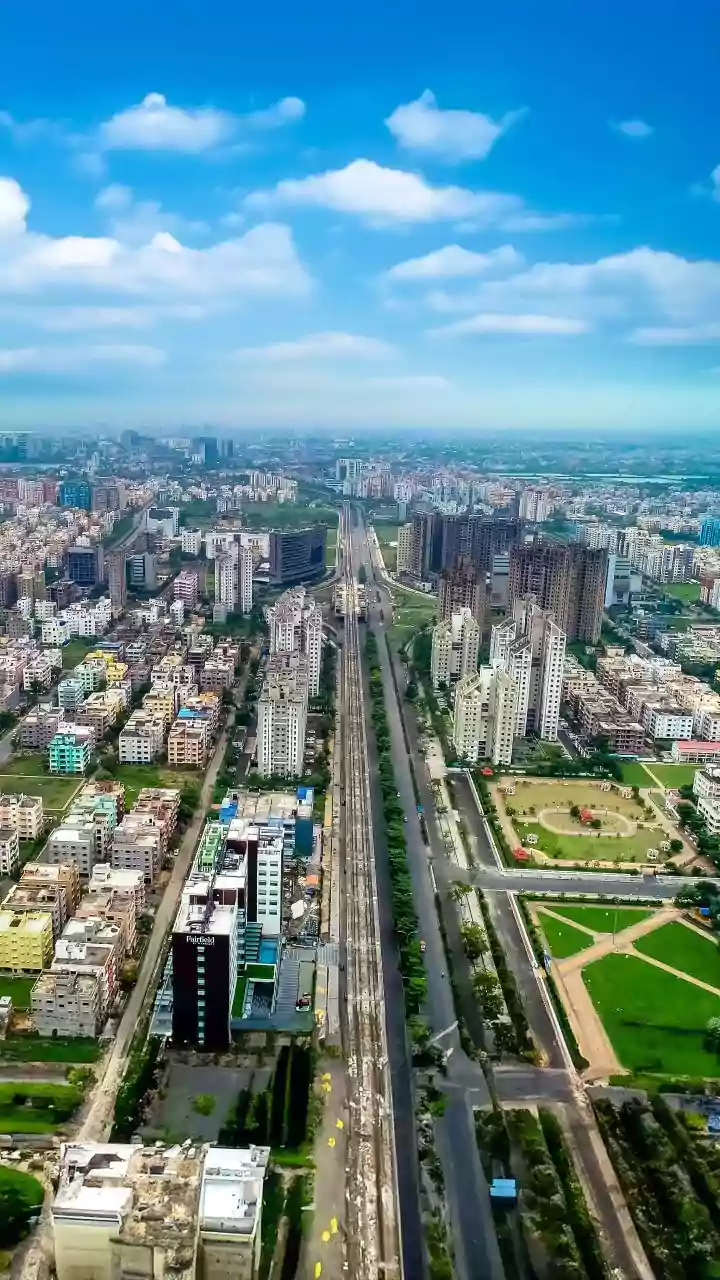
The pressures facing Tokyo, while dramatic, will sound familiar to any resident of India's National Capital Region (NCR). While Delhi doesn't sit on a major fault line like Tokyo, it faces its own slow-motion disasters. The city consistently ranks among the most polluted in the world, with air quality frequently reaching hazardous levels. Beyond pollution, Delhi is plagued by extreme traffic congestion, with commuters losing hundreds of hours a year stuck in jams. The city's infrastructure groans under the weight of a population that swells daily, as it serves as the primary hub for jobs, education, and opportunity in North India. This immense concentration of people, power, and economic activity in one area creates a different, but no less serious, kind of vulnerability.
The Argument for a Great Dispersal
The idea of decongesting Delhi is not new. Proponents argue that moving some government ministries, administrative offices, or even parliamentary sessions to other cities could have multiple benefits. It would reduce the immense demographic pressure on the NCR, potentially improving quality of life, from air quality to commute times. More importantly, it could act as a powerful tool for regional development. Establishing significant government centers in other parts of the country would create high-quality jobs, attract investment, and spur infrastructure growth, spreading economic opportunity more evenly across India. This would counter the magnetic pull of a handful of megacities and foster more balanced national development.
The Hurdles Are Immense
If the logic is so compelling, why hasn't it happened? The simple answer is that moving parts of a capital, let alone the entire seat of government, is monumentally difficult and expensive. The financial cost of building new administrative complexes, housing, and supporting infrastructure would be astronomical. There is also immense political and bureaucratic inertia. Ministries and departments are deeply interconnected, and separating them would create significant logistical and communication challenges. Furthermore, Delhi is not just an administrative center; it is a hub of power, and few who hold that power are eager to relocate. The practical challenges, from security to the sheer complexity of the move, have consistently relegated the idea to the realm of academic debate rather than concrete policy.
A Wake-Up Call, Not a Blueprint
Perhaps looking at Japan's move as a direct blueprint for India is the wrong approach. India's challenges are different, and a complete relocation is likely unfeasible. However, Japan's proactive stance serves as a powerful wake-up call. It highlights the inherent risks of over-centralization and underscores the importance of strategic, long-term planning for national resilience. The conversation in India doesn't have to be an all-or-nothing choice between keeping Delhi as it is or moving the entire capital. Instead, it could be about a more gradual and deliberate decentralization. This could involve empowering state capitals, investing in Tier-2 and Tier-3 cities to become independent economic engines, and strategically relocating new national institutions away from the NCR. Japan's plan is fundamentally about spreading risk. For India, the same principle could be applied to spreading opportunity.