








A Symbolic Arrival in Geneva
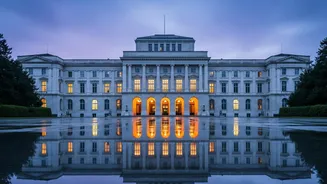
On August 7, 2026, the serene grounds of the Palais des Nations, the UN's European headquarters, welcomed five new residents. In a special ceremony, India's Permanent Representative to the UN in Geneva, Arindam Bagchi, formally presented the birds to Tatiana
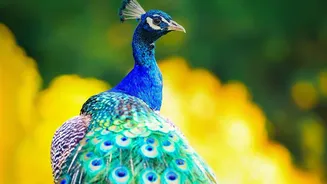
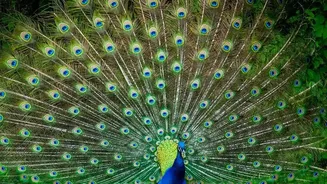
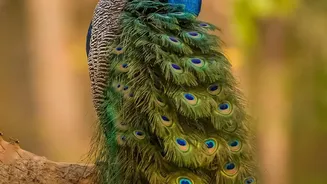
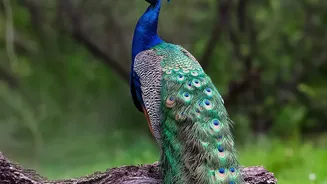
Valovaya, the Director-General of the United Nations Office at Geneva. The flock consists of five young Indian peafowl: four classic blue peacocks and one rare white male. This specific choice of colour was a thoughtful nod, as the blue and white plumage directly echoes the official colours of the United Nations itself. The birds will spend about three months in a temporary aviary within the sprawling 46-hectare Ariana Park to acclimatise before they are allowed to roam freely, joining a long legacy of peafowl on the grounds. UN officials have even announced plans for a public competition to name the new arrivals.
Echoes of a 1981 Diplomatic Gesture
This isn't the first time India has made such a gift. The recent donation is a direct renewal of a tradition that began 45 years ago. In 1981, then-Prime Minister Indira Gandhi sent a breeding pair of peafowl from the Delhi Zoo to Geneva as a symbol of India's connection to the global body. Over the decades, that original population and its descendants became a cherished feature of Ariana Park, but their numbers eventually dwindled. Before this new flock arrived, some reports noted that only a single peacock remained wandering the historic grounds. This new gift of five young birds, therefore, is not just a donation but a deliberate act of restoration, ensuring that the living, breathing symbol of India's friendship continues to thrive at the heart of the UN in Europe.
India's National Bird of Pride
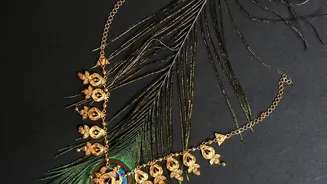
The choice of the peacock is deeply significant. Declared India's national bird in 1963, the Indian peafowl, or Pavo cristatus, is far more than just a beautiful creature; it is woven into the very fabric of the nation's culture and history. For centuries, the peacock has been a symbol of grace, beauty, and royalty in Indian art and mythology. It is associated with deities like Lord Krishna, who is often depicted with a peacock feather in his crown, and is seen as a sign of prosperity and integrity. Its presence in ancient texts and the courtyards of palaces has cemented its status as a representation of opulence and nobility. By gifting peacocks, India is sharing a piece of its soul—a symbol that embodies its rich natural heritage and enduring cultural identity.
A Tradition Older Than the UN
While India's first gift was in 1981, the tradition of keeping peacocks in Ariana Park is even older, predating both the United Nations and its predecessor, the League of Nations. The history of these birds on the estate goes back to the late 19th century when the land was the private property of Gustave Revilliod, a Swiss art collector. When he bequeathed his estate to the city of Geneva in 1890, he did so with the condition that peacocks should always be allowed to roam freely on its grounds. This means the birds have been silent witnesses to over a century of world history unfolding at the Palais des Nations. India's gift, therefore, connects not only to its own 1981 gesture but also to a deeper, century-old local tradition of Geneva itself.
The Gentle Art of 'Peacock Diplomacy'
In a world often dominated by complex negotiations and stark political statements, this act represents a softer, more cultural form of international relations. Termed 'peacock diplomacy', the gesture serves as a powerful yet gentle reminder of India's commitment to multilateralism and its long-standing partnership with the UN. It's a form of 'soft power' that communicates values of beauty, resilience, and environmental stewardship without saying a word. As the Indian mission in Geneva stated, the peacock is a symbol of grace and resilience, representing the country's dedication to biodiversity. It's a living, breathing piece of diplomacy that fosters goodwill and strengthens relationships in a way that formal treaties cannot always achieve.