




From Plastic Waste to Edible Protein
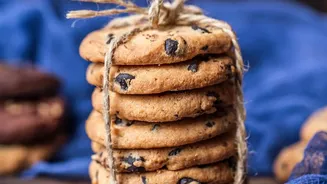
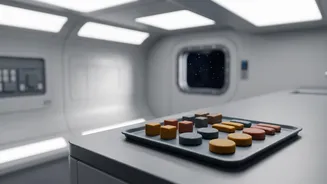
It sounds like science fiction, but it’s now a scientific fact. Researchers at Southern Illinois University (SIU) in the United States have developed a revolutionary process to turn common plastic waste into edible, protein-rich cookies. Aptly named µBites
(pronounced 'microbites'), these creations are not just a novelty; they represent a potential solution to some of humanity's biggest challenges, including plastic pollution, food scarcity, and the logistics of long-term space travel. The team recently presented their groundbreaking work at the American Chemical Society’s fall meeting, unveiling a technology that could redefine the meaning of 'recycling' and 'food source' in one go. The core idea is simple yet profound: since both plastic and food are fundamentally carbon-based, why not transform one into the other?
The Science of Transformation
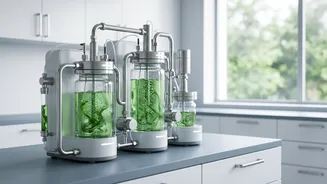
The journey from a discarded water bottle to a cookie involves a sophisticated, two-step process. First, the team tackles the durable nature of polyethylene terephthalate (PET), the plastic commonly used in bottles and packaging. They use a method called oxidative hydrothermal dissolution, which sounds complex but simply uses high-pressure water and oxygen at high temperatures to break the plastic down into its basic, carbon-rich molecular building blocks. This turns the solid waste into a slurry that is accessible to microbes. The second step is where the biological magic happens. The team uses genetically engineered yeast, specifically strains modified with CRISPR technology, as microscopic factories. These microbes are programmed to consume the broken-down plastic molecules and, through fermentation, convert them into essential nutrients like proteins and fats—the same building blocks found in conventional food. This nutrient-rich paste is then ready for the final stage.
More Than Just a Space Snack
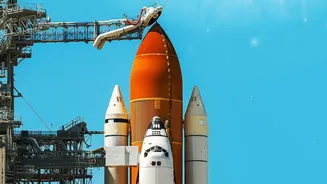
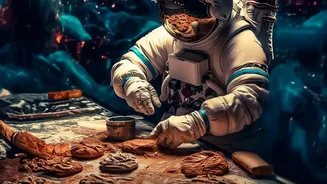
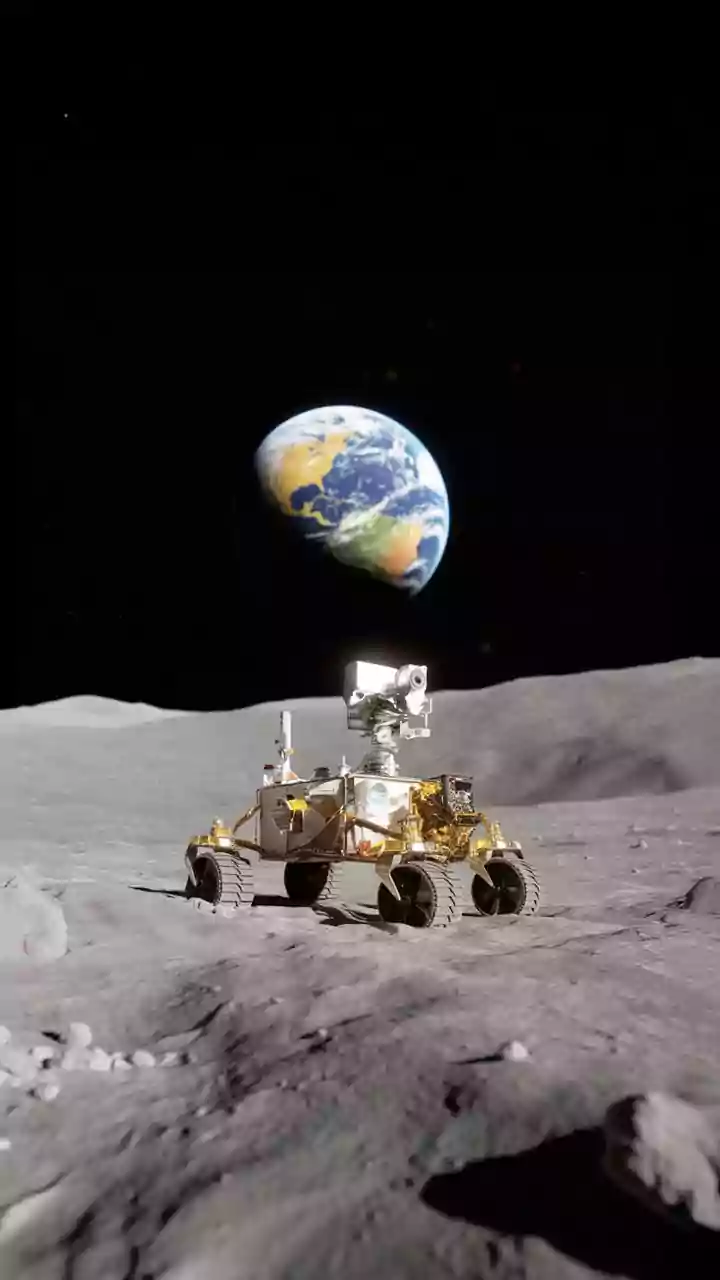
The initial inspiration for µBites came from NASA's Deep Space Food Challenge, which sought innovative ways to feed astronauts on long missions, such as a three-year round trip to Mars where resupply is impossible. The ability to convert waste generated during the mission into fresh food is a game-changer for space exploration. However, the project's ambitions are much broader and more earthbound. The team envisions these food-producing systems being deployed in disaster zones, where supply chains are broken, or in remote environments like submarines and Arctic research stations. Looking further ahead, project lead Lahiru Jayakody believes this technology could be a powerful tool in the fight against global hunger, which is projected to affect a significant portion of the world's population by 2050.
Developing a Taste for the Future
While the science is proven, one big question remains: what do they taste like? As of now, no one has actually eaten a µBite. The research team is awaiting institutional approval to conduct official taste tests, ensuring the product is completely safe for human consumption. However, early signs are promising. Sensory tests where participants were allowed to smell the cookies yielded positive feedback, with many noting a pleasant, cookie-like aroma. To make the concept even more palatable, the scientists are already programming different yeast strains to produce natural additives. One strain can convert plant waste into vanillin, the compound responsible for vanilla's flavour and scent, while another produces beta-carotene, a pigment the body turns into Vitamin A. The final dough, a mix of the microbially produced nutrients, fibre, starch, and sweeteners, is then extruded through a 3D printer into a cookie shape.
The Road to Public Use
The headline-grabbing target of public use within the next few years refers to these specialised applications—not necessarily seeing µBites on supermarket shelves just yet. Team members have indicated it will take several years for the technology to mature enough to make a dent in global issues like plastic pollution. Several hurdles remain before µBites can become a widespread reality. The primary challenge is cost and efficiency. In its current experimental phase, the process is expensive. The team is focused on improving the conversion rate, aiming to turn nearly 100% of the carbon from waste materials into food products, up from just over 50% currently. Scaling the technology from a lab bench to a portable, robust system that can operate reliably in a disaster zone or a spaceship is the next major engineering frontier.