







Why Your Gut Needs a Gentle Restart
Fasting gives your entire digestive system a much-needed rest. During this time, the gut's 'housekeeping' service, known as the migrating motor complex (MMC), gets to work sweeping debris and excess bacteria out of the intestines. However, the system also
powers down. The production of digestive enzymes decreases, and the rhythmic muscle contractions that move food along, called peristalsis, become more sluggish. When you reintroduce food, your digestive tract is in a sensitive state and isn't immediately ready for a heavy workload. Rushing the process or choosing the wrong foods can easily overwhelm it, leading to bloating, gas, and pain.
The Problem with Spicy Foods
For many, a meal isn't complete without a kick of spice. However, breaking a fast with your favourite fiery curry or chilli-laden dish is a recipe for discomfort. Spicy foods often contain capsaicin, the compound that gives chillies their heat. On an empty and sensitive stomach, capsaicin can severely irritate the lining of your stomach and intestines. This irritation can trigger an increase in stomach acid, leading to uncomfortable heartburn, acid reflux, or a burning sensation in your gut. In some cases, it can even accelerate bowel movements, causing diarrhoea as your body tries to expel the irritant quickly.
Why Fried and Greasy Foods Cause Trouble
Similarly, reaching for fried foods like samosas, pakoras, or french fries after a fast can put immense strain on your digestive system. These foods are high in saturated and trans fats, which are notoriously difficult to digest. After a fast, your body's production of fat-digesting enzymes is reduced. Consuming a large load of greasy food can overwhelm this limited capacity, forcing your system to work overtime. This often results in indigestion, nausea, bloating, and uncomfortable cramping as the food sits heavily in your stomach.
Other Foods to Approach with Caution
Spicy and fried foods are major culprits, but other food types can also cause issues. Highly processed foods and those high in sugar can cause a sharp spike and subsequent crash in your blood sugar levels, leaving you feeling tired. Large amounts of raw cruciferous vegetables like broccoli and cabbage can be hard to break down and cause gas. Even some dairy products might be problematic, as fasting can temporarily reduce the enzyme needed to digest lactose. It's best to reintroduce these foods slowly and in small portions to see how your body tolerates them.
How to Break Your Fast Comfortably
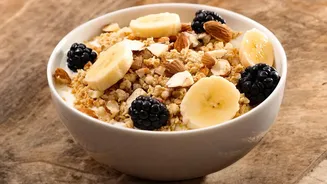
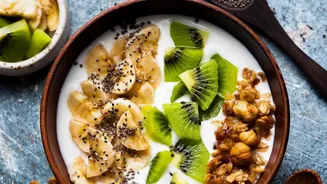
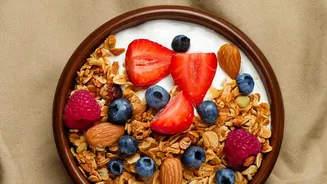
The key to a comfortable transition is to start 'low and slow'. Begin with easily digestible, nutrient-dense foods. Hydration is crucial, so start with water, coconut water, or clear broths. Bone broth is particularly soothing and provides electrolytes. For your first small meal, think gentle. Cooked vegetables are easier to digest than raw ones. Soups, smoothies, plain yoghurt, and lean proteins like poached chicken or fish are excellent choices. Healthy fats from sources like avocado are also well-tolerated. These foods provide nourishment without shocking your system.
A Smart Reintroduction Strategy
Don't rush back to your three full meals a day. A phased approach works best. On the first day of breaking a longer fast, stick to liquids and very soft foods. A small bowl of lentil soup or a simple smoothie is a great start. On the second day, you can introduce more soft-cooked foods and small portions of lean protein. By the third day, if you feel good, you can begin to incorporate more complex, fibre-rich foods and expand your meal size. Pay close attention to your body's signals; if you feel any discomfort, take a step back to simpler foods.