






A New Vision in North Gujarat
The ambitious project, officially titled the Desert Zoological Park and Night Safari, has secured approval from the Central Zoo Authority as of mid-August 2026. The Gujarat Forest Department will develop this facility on a sprawling 103-hectare parcel
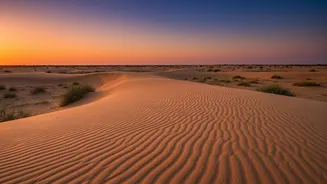
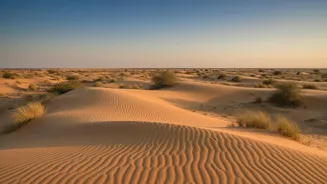
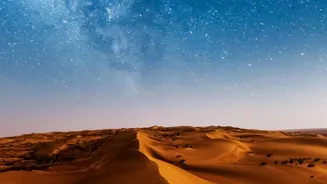
of government land in Juna Deesa, located in the Banaskantha district. With an estimated budget of ₹542.14 crore, the initiative is one of the most significant eco-tourism investments in the region. The site was strategically selected for its natural sand dunes and proximity to the Banas river, offering an authentic desert landscape that is well-connected by road and rail, aiming to attract visitors from across Gujarat and neighbouring states.
Where Day and Night Wildlife Meet
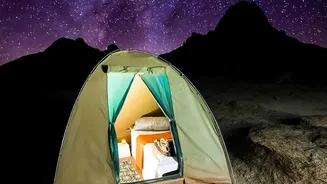
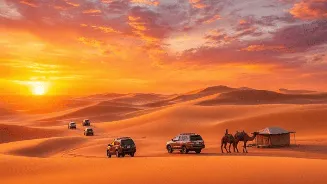
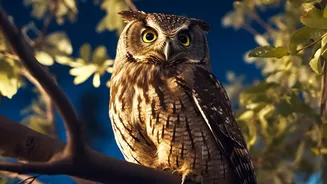
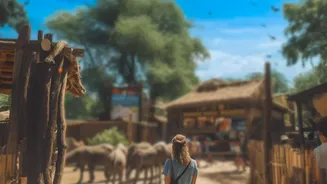
The park is designed to offer a comprehensive wildlife experience, featuring both a traditional day zoo and five specially created enclosures for the night safari. This dual format allows visitors to observe a wide range of species in environments that mimic their natural activity cycles. The facility is planned to house approximately 2,700 animals and birds from nearly 83 different species. The collection will feature a fascinating mix of native Indian desert dwellers like the chinkara, blackbuck, Indian wild ass, and striped hyena. In a unique move, the park also plans to introduce exotic species from other desert ecosystems, including African cheetahs, giraffes, and zebras, as well as Australian kangaroos and emus, offering a truly global wildlife showcase.
More Than Just a Safari
At its core, this project is deeply rooted in the principles of eco-tourism and conservation. Officials have emphasized that the park will function as a vital centre for the conservation breeding of endangered species, as well as wildlife rescue and rehabilitation. The design and construction will heavily incorporate green technologies to minimize its ecological footprint. Plans include systems for rainwater harvesting, the use of solar energy for power, comprehensive sewage treatment plants, and effective solid waste management. This commitment to sustainability ensures that the park not only provides a unique visitor experience but also contributes positively to the region's environmental health and serves an important educational purpose.
An Oasis of Attractions
Beyond the flagship night safari, the zoological park is set to become a multi-faceted destination with a variety of attractions. To create a holistic experience for visitors, the master plan includes several other specialized zones. Among these are a dedicated reptile house and a large-scale aquarium. Plans also feature an aviary for bird enthusiasts and even a butterfly park. Perhaps most unexpectedly for a desert park, a 'Rainforest Biome' is also part of the proposal, designed to showcase a completely different type of ecosystem and its inhabitants. These additions transform the project from a simple safari into a full-fledged zoological and botanical destination intended to captivate a wide range of interests.
The Road Ahead for Deesa
The approval of the Desert Zoological Park and Night Safari marks a transformative moment for Deesa and the broader North Gujarat region. The project is expected to be a major catalyst for the local economy, creating significant employment opportunities and placing the area firmly on India’s national tourism map. By blending entertainment with education and conservation, the park aims to attract families, wildlife enthusiasts, and international tourists alike. While the construction timeline is yet to be finalized, the official approval is a critical milestone that moves this ambitious vision closer to reality. It represents a new chapter in how India approaches wildlife tourism, focusing on immersive experiences that are both responsible and respectful of the natural world.