
A Seat at the World's Table
The final results placed India at an impressive 13th position in the world on the TasteAtlas 2025/26 list of 100 Best Cuisines. While the top spots were secured by culinary powerhouses like Italy, Greece, and Peru, India’s ranking confirms its status
as a mainstream global favourite. This isn't just a win; it's a testament to the enduring appeal of flavours that have been perfected over centuries. The score is calculated by aggregating user ratings of thousands of dishes and food products from around the world, making this a true people's choice award. For a country with a culinary landscape as vast and varied as India, this ranking reflects a widespread and genuine appreciation from food lovers across continents.
What is TasteAtlas Anyway?
Before we dive deeper into the celebration, it's worth understanding the source of this accolade. TasteAtlas is not a panel of elite chefs in a boardroom deciding the fate of cuisines; it is an online encyclopedia and a world atlas of traditional dishes, local ingredients, and authentic restaurants. Founded in 2018, its mission is to catalogue and preserve authentic recipes from around the globe. The rankings are generated from hundreds of thousands of ratings submitted by its global community of users. Unlike the Michelin Guide, which focuses on fine dining, TasteAtlas champions the everyday, traditional foods that define a culture. This makes the recognition particularly special—it’s an award for the food that people genuinely eat, cook, and love.
Our Culinary Superstars
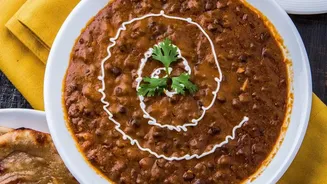
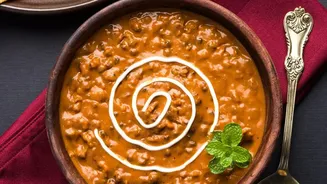
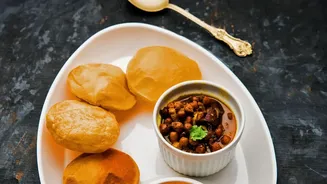
So, which dishes propelled India to this global honour? Unsurprisingly, it was a mix of timeless classics and comfort foods that won the world over. The list of must-try items reads like a dream menu. Indian breads, in particular, were celebrated, with Butter Garlic Naan and Amritsari Kulcha receiving exceptionally high ratings. These weren't just popular in the Indian category; some rankings placed them at the very top of the world's best breads. Other beloved dishes like Murgh Makhani (Butter Chicken), Hyderabadi Biryani, and Parotta also received high praise, showcasing the world's love for our rich gravies and flavourful rice dishes. Even the foundational spice blend Garam Masala was highlighted as a must-try item, a nod to the intricate science of flavour that underpins all Indian cooking.
Beyond the Single 'Spicy' Stereotype
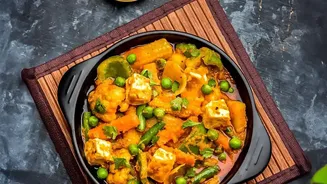
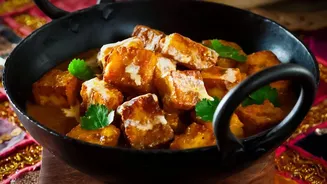
For years, Indian food abroad was often unfairly reduced to a single adjective: spicy. This ranking helps to formally dismantle that stereotype on a global stage. The celebration of dishes ranging from creamy Shahi Paneer to the complex layers of a Biryani, and the simple perfection of a well-made Naan, shows a growing international palate that appreciates the nuance, diversity, and regionality of Indian cuisine. This isn't just about heat; it's about the balance of sweet, sour, tangy, and savoury. It is an acknowledgement of the different cooking techniques, from the tandoor to the slow-cooked dum pukht, that create a symphony of textures and tastes. The world is finally catching on to what over a billion people already knew: Indian food is not one thing, but a magnificent and delicious universe of many.
A Universe of Flavours
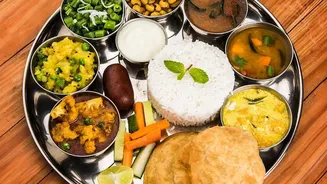
Of course, any attempt to rank something as personal and diverse as national cuisine is bound to spark debate. No single score could ever fully capture the depth of India's culinary traditions—from the mustard-oil-laced dishes of the East to the coconut-based curries of the South, the hearty vegetarian thalis of the West, and the robust flavours of the North. What one person considers a delicacy, another might find unusual. These lists often generate healthy discussion online about which dishes were included or excluded. However, the real story here is not about the exact number, but about the overwhelming positive consensus. This ranking serves as a powerful reminder of India's incredible soft power and the unique ability of its food to connect with people from every corner of the globe.