








What is the story about?
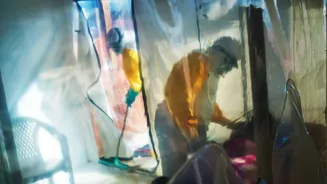
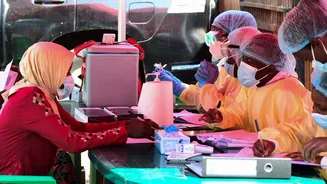
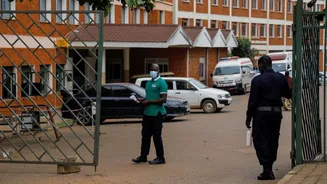
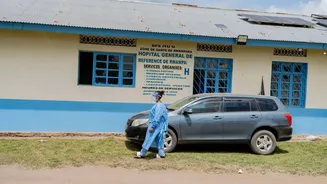
The World Health Organisation (WHO) has declared the Ebola outbreak in the Democratic Republic of the Congo and Uganda a public health emergency of international concern (PHEIC) on May 17. The outbreak, centred in the eastern Ituri province, has already seen around 246 suspected cases and 80 deaths.
In a post shared on X (formerly Twitter), Director-General Tedros Adhanom Ghebreyesus said that the current outbreak “does not meet the criteria of pandemic emergency, as defined in the IHR.”
What is Ebola disease?
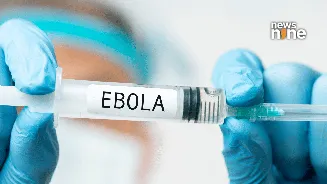
Ebola is a serious and often life-threatening viral haemorrhagic fever caused by a group of viruses called orthoebolaviruses, which can damage blood vessels. The current outbreak is linked to the Bundibugyo strain, for which there are currently no approved vaccines or medicines.
How does Ebola disease spread?
The disease spreads through direct contact with the body fluids of an infected person, whether alive or dead. These fluids can be blood, saliva, sweat, vomit, urine or semen. In some cases, people can also catch Ebola from infected animals such as bats and non-human primates (apes and monkeys).
One can also get Ebola from surfaces, objects or medical devices that came in contact with the virus, as well as eating the meat of infected animals.
What are the symptoms of Ebola disease?
Symptoms of Ebola disease usually appear between two and 21 days after exposure, with most people falling sick within eight to 10 days. Early signs of the disease are similar to the flu and include fever, chills, weakness, loss of appetite, muscle pain, sore throat and severe headache.
As the disease worsens, patients may develop vomiting, diarrhoea, rashes, confusion and unexplained bleeding. In severe cases, Ebola can lead to organ failure, seizures and shock.
Diagnosis of Ebola disease
To confirm the disease, doctors usually order a polymerase chain reaction (PCR) blood test after reviewing symptoms, travel history and possible contact with infected people or animals.
How to protect yourself from Ebola disease?
One can help protect oneself fromEbola disease by:
In a post shared on X (formerly Twitter), Director-General Tedros Adhanom Ghebreyesus said that the current outbreak “does not meet the criteria of pandemic emergency, as defined in the IHR.”
What is Ebola disease?
Ebola is a serious and often life-threatening viral haemorrhagic fever caused by a group of viruses called orthoebolaviruses, which can damage blood vessels. The current outbreak is linked to the Bundibugyo strain, for which there are currently no approved vaccines or medicines.
How does Ebola disease spread?
The disease spreads through direct contact with the body fluids of an infected person, whether alive or dead. These fluids can be blood, saliva, sweat, vomit, urine or semen. In some cases, people can also catch Ebola from infected animals such as bats and non-human primates (apes and monkeys).
One can also get Ebola from surfaces, objects or medical devices that came in contact with the virus, as well as eating the meat of infected animals.
What are the symptoms of Ebola disease?
Symptoms of Ebola disease usually appear between two and 21 days after exposure, with most people falling sick within eight to 10 days. Early signs of the disease are similar to the flu and include fever, chills, weakness, loss of appetite, muscle pain, sore throat and severe headache.
As the disease worsens, patients may develop vomiting, diarrhoea, rashes, confusion and unexplained bleeding. In severe cases, Ebola can lead to organ failure, seizures and shock.
Diagnosis of Ebola disease
To confirm the disease, doctors usually order a polymerase chain reaction (PCR) blood test after reviewing symptoms, travel history and possible contact with infected people or animals.
How to protect yourself from Ebola disease?
One can help protect oneself fromEbola disease by:
- Avoiding contact with sick individuals in affected areas, dead bodies, contaminated items and wild animals.
- It is important to wear protective equipment while caring for patients.
- Travellers returning from outbreak zones should monitor their health for 21 days and seek medical help immediately if symptoms appear.