







What is the story about?
Humanity returns to the moon after decades of waiting. NASA's Artemis II mission is set for a launch on Wednesday, April 1, the first-time astronauts will travel towards the moon since 1972.
Artemis II launch details: When to watch
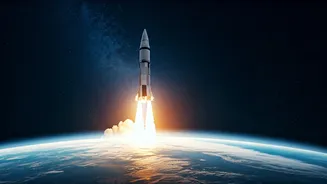
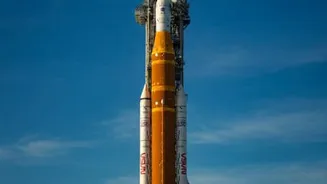
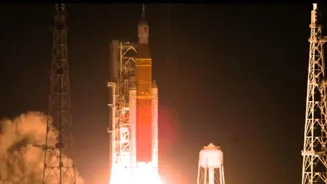
NASA's highly anticipated Artemis 2 mission—the first crewed flight around the moon in over 50 years—is set to launch from Pad 39B at NASA's Kennedy Space Centre in Florida on NASA's potent Space Launch System (SLS) rocket on Wednesday, April 1, at 6:24 pm EDT (10:54 PM IST).
Teams loading the SLS rocket with propellant, known as tanking operations, will be aired on April 1 starting at 7:45 am EDT (6:15 pm IST). Launch coverage on NASA+ will begin at 12:50 pm EDT (11:20 PM IST).
Liftoff time: April 1, 6:24 PM EDT/10:54 pm IST
The Artemis 2 launch window begins on April 1 and ends on April 6. There are still options through April 6 if the mission does not launch on April 1. The next accessible date is April 30, after that.
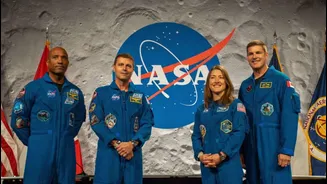
The mission will first launch into low Earth orbit from NASA's Kennedy Space Centre in Florida, carrying Reid Williams (commander), Victor Glover (pilot), and Christina Koch (mission specialist), along with mission specialist Jeremy Hansen of the Canadian Space Agency (CSA).
Where to Watch
Watch NASA+ and Amazon Prime for coverage of the launch, lunar flyby, and splashdown. The agency's YouTube channel will also provide events, briefings, and round-the-clock mission coverage. The launch webcast will also be broadcast on Space.com, beginning with pre-launch coverage.
The Canadian Space Agency and NASA both stated that they want to follow the astronauts with a multimedia experience. For the majority of the mission, Orion's exterior cameras will attempt to transmit live images around the clock, but, depending on distance and data traffic, the image quality may be somewhat compromised.
Full Mission Schedule (EDT / IST)
All times are slated for an April 1 launch. Times are subject to change based on mission operations.
April 1: Launch Day
7:45 AM EDT / 6:15 PM IST – Tanking/propellant loading broadcast begins.
12:50 PM EDT / 11:20 PM IST – NASA+ launch coverage begins.
6:24 PM EDT / 10:54 PM IST – Liftoff from Kennedy Space Centre, Florida.
April 2: Trans-Lunar Injection (The Burn for the Moon)
The Orion capsule will perform a critical ‘trans-lunar injection’ burn around 24 hours after launch, propelling the crew toward the moon.
Following the translunar injection burn, there will be a mission status media briefing at 8:30 pm EDT on April 2 and 6 am IST on April 3. There will be a live crew downlink conversation at 10:24 pm EDT and 8:54 am IST on April 3.
April 4 – 5: Canadian Space Agency Briefing
The Canadian Space Agency will speak with the crew on April 4 at 12:59 am, while NASA will do so at 4:34 pm. There will be a mission status briefing at 5:15 pm. A live CSA downlink event is scheduled for April 5 at 12:14 am, followed by a mission status briefing at 3:30 pm.
April 6: Lunar Flyby (The Highlight)
The mission's high point is April 6, when lunar flyby coverage begins on NASA+ at 12:45 pm EDT (11:15 pm IST). An hour later, the crew would go further from Earth than any human in history, breaking Apollo 13's record of 248,655 miles.
April 7: Day After Flyby
The Artemis II crew has an audio-only chat with astronauts on the International Space Station on April 7 at 2:29 PM EDT / 12:59 am IST on April 8. The mission status briefing is scheduled for April 8 at 4 pm EDT (2:30 am IST on April 9).
April 8 – 9: Return Journey
April 8: Status briefing at 3:30 pm EDT / 2:00 am IST (April 9), followed by a CSA downlink at 7:09 pm EDT / 5:39 am IST (April 9).
April 9: Status briefing at 3:30 PM EDT / 2 am IST (April 10), and the crew hosts a news conference from space at 5:59 pm EDT / 4:29 am IST (April 10).
April 10: Splashdown
8:06 pm: Splashdown in the Pacific Ocean. The US Navy will use a San Antonio-class amphibious transport dock to retrieve the crew and spacecraft after the planned splashdown in the Pacific Ocean outside San Diego.
The Johnson Space Centre in Houston will have a post-splashdown press conference on April 11 at 10:35 pm EDT (9:05 AM IST).
Artemis II launch details: When to watch
NASA's highly anticipated Artemis 2 mission—the first crewed flight around the moon in over 50 years—is set to launch from Pad 39B at NASA's Kennedy Space Centre in Florida on NASA's potent Space Launch System (SLS) rocket on Wednesday, April 1, at 6:24 pm EDT (10:54 PM IST).
Teams loading the SLS rocket with propellant, known as tanking operations, will be aired on April 1 starting at 7:45 am EDT (6:15 pm IST). Launch coverage on NASA+ will begin at 12:50 pm EDT (11:20 PM IST).
Liftoff time: April 1, 6:24 PM EDT/10:54 pm IST
The Artemis 2 launch window begins on April 1 and ends on April 6. There are still options through April 6 if the mission does not launch on April 1. The next accessible date is April 30, after that.
The mission will first launch into low Earth orbit from NASA's Kennedy Space Centre in Florida, carrying Reid Williams (commander), Victor Glover (pilot), and Christina Koch (mission specialist), along with mission specialist Jeremy Hansen of the Canadian Space Agency (CSA).
Where to Watch
Watch NASA+ and Amazon Prime for coverage of the launch, lunar flyby, and splashdown. The agency's YouTube channel will also provide events, briefings, and round-the-clock mission coverage. The launch webcast will also be broadcast on Space.com, beginning with pre-launch coverage.
The Canadian Space Agency and NASA both stated that they want to follow the astronauts with a multimedia experience. For the majority of the mission, Orion's exterior cameras will attempt to transmit live images around the clock, but, depending on distance and data traffic, the image quality may be somewhat compromised.
Full Mission Schedule (EDT / IST)
All times are slated for an April 1 launch. Times are subject to change based on mission operations.
April 1: Launch Day
7:45 AM EDT / 6:15 PM IST – Tanking/propellant loading broadcast begins.
12:50 PM EDT / 11:20 PM IST – NASA+ launch coverage begins.
6:24 PM EDT / 10:54 PM IST – Liftoff from Kennedy Space Centre, Florida.
April 2: Trans-Lunar Injection (The Burn for the Moon)
The Orion capsule will perform a critical ‘trans-lunar injection’ burn around 24 hours after launch, propelling the crew toward the moon.
Following the translunar injection burn, there will be a mission status media briefing at 8:30 pm EDT on April 2 and 6 am IST on April 3. There will be a live crew downlink conversation at 10:24 pm EDT and 8:54 am IST on April 3.
April 4 – 5: Canadian Space Agency Briefing
The Canadian Space Agency will speak with the crew on April 4 at 12:59 am, while NASA will do so at 4:34 pm. There will be a mission status briefing at 5:15 pm. A live CSA downlink event is scheduled for April 5 at 12:14 am, followed by a mission status briefing at 3:30 pm.
April 6: Lunar Flyby (The Highlight)
The mission's high point is April 6, when lunar flyby coverage begins on NASA+ at 12:45 pm EDT (11:15 pm IST). An hour later, the crew would go further from Earth than any human in history, breaking Apollo 13's record of 248,655 miles.
We're
flying around the Moon. Come watch with us.
Live coverage of Artemis II prelaunch activities begins Friday, March 27, when the crew arrives at @NASAKennedy. Here's the full Artemis II event schedule — keep checking back for the latest updates: https://t.co/jroi7BTUA5 pic.twitter.com/9DDkjTdt3K
— NASA (@NASA) March 25, 2026
April 7: Day After Flyby
The Artemis II crew has an audio-only chat with astronauts on the International Space Station on April 7 at 2:29 PM EDT / 12:59 am IST on April 8. The mission status briefing is scheduled for April 8 at 4 pm EDT (2:30 am IST on April 9).
April 8 – 9: Return Journey
April 8: Status briefing at 3:30 pm EDT / 2:00 am IST (April 9), followed by a CSA downlink at 7:09 pm EDT / 5:39 am IST (April 9).
April 9: Status briefing at 3:30 PM EDT / 2 am IST (April 10), and the crew hosts a news conference from space at 5:59 pm EDT / 4:29 am IST (April 10).
April 10: Splashdown
8:06 pm: Splashdown in the Pacific Ocean. The US Navy will use a San Antonio-class amphibious transport dock to retrieve the crew and spacecraft after the planned splashdown in the Pacific Ocean outside San Diego.
The Johnson Space Centre in Houston will have a post-splashdown press conference on April 11 at 10:35 pm EDT (9:05 AM IST).