








What is the story about?
The idea that Earth could one day have 25-hour days is not wrong. It is just very easy to misunderstand.
Scientists expect Earth’s rotation to keep slowing. The change is real. It is also extremely slow. Measured not in years or centuries but across spans of time far longer than human history. But nothing about daily life is shifting. No clocks need resetting. No calendars are changing. What is happening is smaller than that.
What scientists are actually measuring
A ‘day’ feels fixed because society runs on a 24-hour clock. ButEarth’s spin is not perfectly steady - it drifts.
If the planet’s rotation is measured against distant stars instead of the Sun, the result is a slightly shorter unit called a sidereal day. The difference exists because Earth is both rotating and moving along its orbit.
Over long periods, the trend points in one direction. Days are getting longer - not by minutes. By milliseconds.
Why Earth’s rotation is slowing down
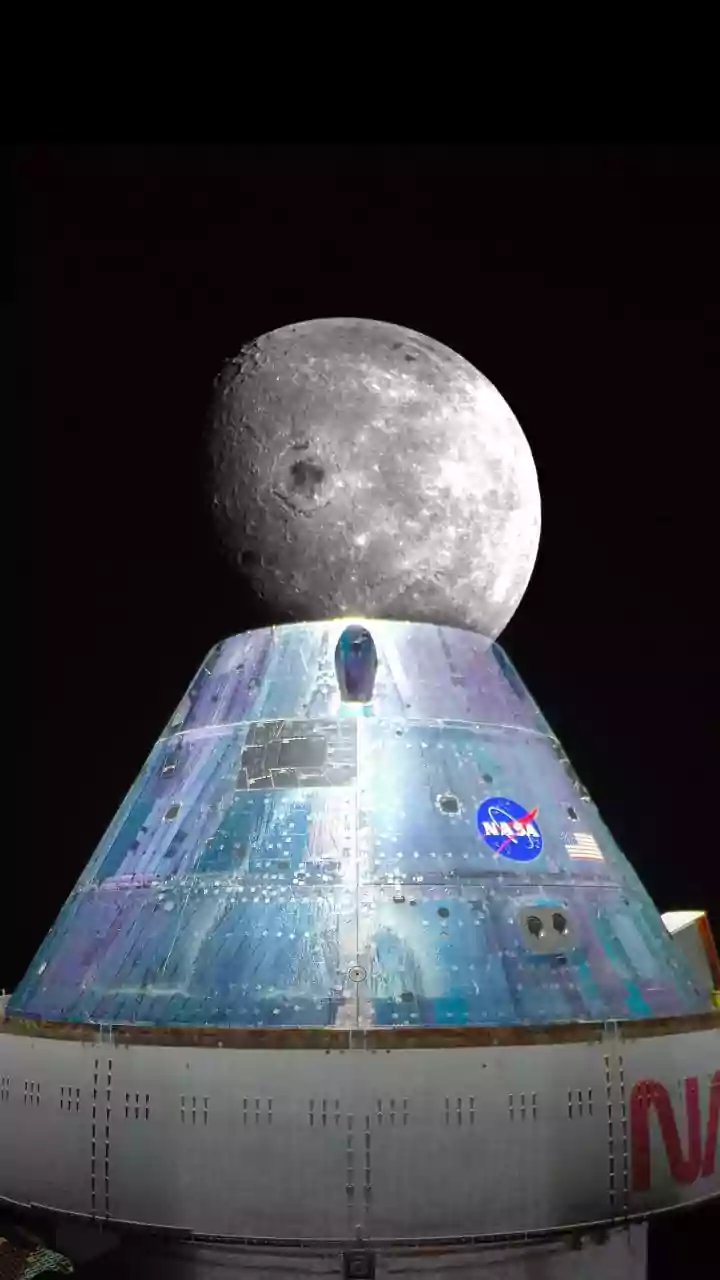
The Moon plays the largest role. Its gravity pulls on Earth’s oceans, raising tidal bulges that drag slightly against the planet’s rotation. That friction removes a tiny amount of spin energy and transfers it outward, slowly pushing the Moon farther away.
Climate also matters, according to NASA-funded research. More than 120 years of data show that melting glaciers, shrinking ice sheets, falling groundwater, and rising seas are shifting the mass across the planet - from the poles to the equator. When mass moves away from the poles, toward the oceans, Earth’s rotation slows slightly - like an ice-skater spreading their hands outward to slow down.
Since around 2000, this effect has accelerated. The length of a day has been increasing by about 1.33 milliseconds per century - faster than earlier in the 20th century. Still, that change remains almost imperceptible.
Are humans responsible for Earth's slowing rotation?
Not entirely but partly. Natural climate cycles drive much of the variation, research shows. Human-driven global warming has also added to it in recent decades by speeding up the loss of ice and more groundwater depletion.
Will a 25-hour day actually happen?
Not anytime close. Based on current models of the Earth–Moon system, reaching a 25-hour day would likely take on the order of 200 million years. That is not a forecast. It is a scale.
And it is far beyond anything that affects daily life, technology, or society.
The bottom line is that the Earth is slowing - Yes. But the shift is measured in milliseconds, not hours. So, a 25-hour day is not happening anytime soon.
Scientists expect Earth’s rotation to keep slowing. The change is real. It is also extremely slow. Measured not in years or centuries but across spans of time far longer than human history. But nothing about daily life is shifting. No clocks need resetting. No calendars are changing. What is happening is smaller than that.
What scientists are actually measuring
A ‘day’ feels fixed because society runs on a 24-hour clock. ButEarth’s spin is not perfectly steady - it drifts.
If the planet’s rotation is measured against distant stars instead of the Sun, the result is a slightly shorter unit called a sidereal day. The difference exists because Earth is both rotating and moving along its orbit.
Over long periods, the trend points in one direction. Days are getting longer - not by minutes. By milliseconds.
Why Earth’s rotation is slowing down
The Moon plays the largest role. Its gravity pulls on Earth’s oceans, raising tidal bulges that drag slightly against the planet’s rotation. That friction removes a tiny amount of spin energy and transfers it outward, slowly pushing the Moon farther away.
Climate also matters, according to NASA-funded research. More than 120 years of data show that melting glaciers, shrinking ice sheets, falling groundwater, and rising seas are shifting the mass across the planet - from the poles to the equator. When mass moves away from the poles, toward the oceans, Earth’s rotation slows slightly - like an ice-skater spreading their hands outward to slow down.
Since around 2000, this effect has accelerated. The length of a day has been increasing by about 1.33 milliseconds per century - faster than earlier in the 20th century. Still, that change remains almost imperceptible.
Are humans responsible for Earth's slowing rotation?
Not entirely but partly. Natural climate cycles drive much of the variation, research shows. Human-driven global warming has also added to it in recent decades by speeding up the loss of ice and more groundwater depletion.
Will a 25-hour day actually happen?
Not anytime close. Based on current models of the Earth–Moon system, reaching a 25-hour day would likely take on the order of 200 million years. That is not a forecast. It is a scale.
And it is far beyond anything that affects daily life, technology, or society.
The bottom line is that the Earth is slowing - Yes. But the shift is measured in milliseconds, not hours. So, a 25-hour day is not happening anytime soon.