
The domestic currency gained 10 paise to trade at 91.80 against the US dollar in early deals, recovering from Friday’s (January 23's) historic low of 92 per dollar. Currency and equity markets reopened after remaining shut on Monday (January 26) for the Republic Day holiday.
A softer dollar drove the rebound
The immediate trigger for the rupee’s recovery was weakness in the US dollar. The dollar index, which tracks the greenback against a basket of six major currencies, slipped towards a four-month low amid pre-Federal Open Market Committee (FOMC) positioning. As the dollar softened, traders moved to cover positions, lending marginal support to the rupee.
Short-covering offered only limited relief
Forex traders said the recovery reflected short-covering rather than a shift in underlying fundamentals. Broad dollar weakness encouraged buying in emerging market currencies, but the rupee’s gains remained modest amid ongoing domestic and global headwinds.
Structural pressures remain intact
Despite the rebound, the rupee continues to face pressure from elevated geopolitical risks, persistent demand for dollars, weak domestic equity markets, and sustained foreign capital outflows. Foreign institutional investors sold over ₹4,100 crore worth of equities in the last trading session, reinforcing pressure on the currency.
Trade tensions weigh on sentiment
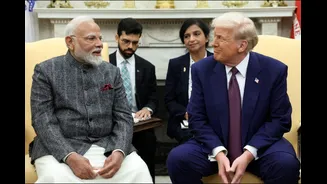
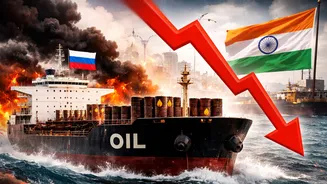
Uncertainty around India–US trade relations has also influenced market sentiment. The US has imposed higher tariffs on India, including levies linked to India’s past purchases of Russian oil. However, recent comments from the US Treasury indicating a possible path to easing some tariffs provided limited support to the rupee.
Oil prices and reserves offer some cushion
Lower crude oil prices helped cap downside risks, with Brent crude trading lower in early trade. In addition, India’s foreign exchange reserves rose sharply to over USD 701 billion in the latest reported week, strengthening the country’s external buffer.
Outlook remains cautious
Analysts expect the rupee to remain vulnerable in the near term unless geopolitical risks ease and clarity emerges on trade negotiations. While the currency appears undervalued on a real effective exchange rate basis, continued foreign portfolio outflows and weak equity markets are likely to keep recovery shallow.
-With PTI inputs