





What is the story about?
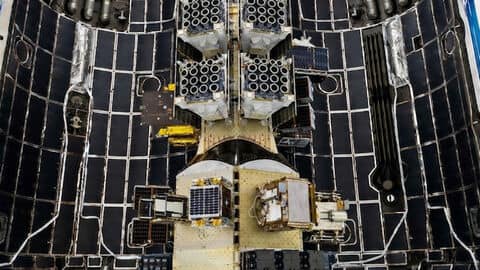
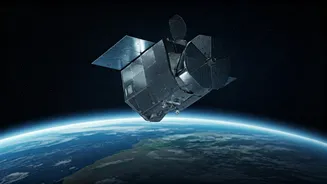
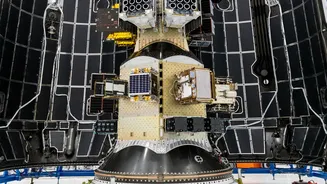
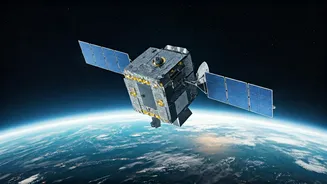
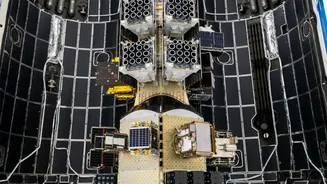
GalaxEye, a Bengaluru-based space startup, has successfully launched Mission Drishti, the world’s first OptoSAR satellite, into orbit. The 190-kg satellite was launched aboard a Falcon 9 rocket from Vandenberg, California, on May 3, 2026.
This marks a significant milestone for India’s growing private space sector. Developed by IIT Madras alumni, Mission Drishti is also India’s largest privately developed Earth observation satellite. It is expected to transform how satellite imagery is captured by combining optical and radar imaging technologies into a single operational platform.
What is Mission Drishti?
Mission Drishti is GalaxEye’s first satellite mission and the first OptoSAR satellite to enter orbit. According to the company, the project aims to create a future where satellite imagery remains clear, reliable and accessible regardless of weather conditions or time of day.
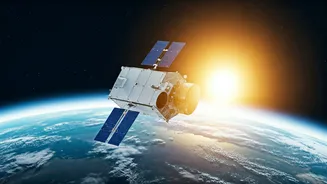
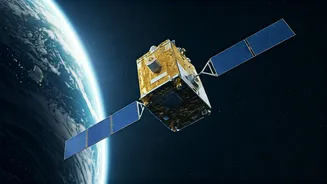
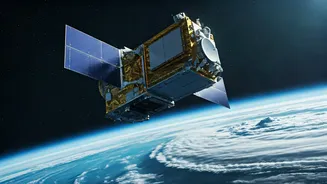
The satellite carries both an optical multispectral imager and a Synthetic Aperture Radar (SAR) sensor, allowing it to capture images of the same location at the exact same time. This approach removes issues such as mismatched timing or viewing angles that usually occur when combining data from separate satellites.
"It is the first satellite globally to integrate Electro-Optical (EO) and Synthetic Aperture Radar (SAR) sensors into a single operational platform, enabling all-weather, day-and-night imaging capabilities. This integrated approach addresses long-standing limitations of conventional systems and enables more reliable and consistent data acquisition across diverse environmental conditions," GalaxEye said.
Understanding OptoSAR technology
Traditional Earth observation satellites generally rely on either optical cameras or SAR systems. Optical satellites produce detailed and easy-to-read images but struggle in cloudy weather, smoke or darkness. SAR satellites, meanwhile, can operate through clouds, rain and at night using radar signals, though their black-and-white images are often difficult to interpret.
OptoSAR technology combines the strengths of both systems into one satellite. By merging optical clarity with radar reliability, Mission Drishti is expected to provide sharper and more useful pictures in all weather conditions.
Why the mission matters for India
The technology is expected to play a key role in India, where monsoon conditions often disrupt satellite monitoring. Mission Drishti’s data can support agriculture, disaster management, defence operations, coastline surveillance and infrastructure planning by delivering high-quality imagery during both daytime and nighttime, even under poor weather conditions.
IIT Madras alumni behind GalaxEye
Founded in 2021 by a group of engineers from IIT Madras, GalaxEye was created to push the boundaries of Earth observation technology. The founding team includes Suyash Singh (CEO), Denil Chawda (CTO), Kishan Thakkar (VP – Engineering), Pranit Mehta (VP – Sales Ops) and Rakshit Bhatt (VP – Product).
The startup plans to expand its satellite constellation in the coming years to strengthen India’s sovereign Earth observation infrastructure. It also aims to meet the rising global demand for satellite-based data services.
PM Modi congratulates GalaxEye
Following the successful launch, Narendra Modi congratulated the startup and called Mission Drishti a major milestone in India’s space journey.
In a post on X, the Prime Minister said, "The successful launch of the world’s first OptoSAR satellite and the largest privately-built satellite in India is a testament to our youth’s passion for innovation and nation-building. Heartiest congratulations and best wishes to the founders and the entire team of GalaxEye."
This marks a significant milestone for India’s growing private space sector. Developed by IIT Madras alumni, Mission Drishti is also India’s largest privately developed Earth observation satellite. It is expected to transform how satellite imagery is captured by combining optical and radar imaging technologies into a single operational platform.
What is Mission Drishti?
Mission Drishti is GalaxEye’s first satellite mission and the first OptoSAR satellite to enter orbit. According to the company, the project aims to create a future where satellite imagery remains clear, reliable and accessible regardless of weather conditions or time of day.
The satellite carries both an optical multispectral imager and a Synthetic Aperture Radar (SAR) sensor, allowing it to capture images of the same location at the exact same time. This approach removes issues such as mismatched timing or viewing angles that usually occur when combining data from separate satellites.
"It is the first satellite globally to integrate Electro-Optical (EO) and Synthetic Aperture Radar (SAR) sensors into a single operational platform, enabling all-weather, day-and-night imaging capabilities. This integrated approach addresses long-standing limitations of conventional systems and enables more reliable and consistent data acquisition across diverse environmental conditions," GalaxEye said.
Understanding OptoSAR technology
Traditional Earth observation satellites generally rely on either optical cameras or SAR systems. Optical satellites produce detailed and easy-to-read images but struggle in cloudy weather, smoke or darkness. SAR satellites, meanwhile, can operate through clouds, rain and at night using radar signals, though their black-and-white images are often difficult to interpret.
OptoSAR technology combines the strengths of both systems into one satellite. By merging optical clarity with radar reliability, Mission Drishti is expected to provide sharper and more useful pictures in all weather conditions.
Why the mission matters for India
The technology is expected to play a key role in India, where monsoon conditions often disrupt satellite monitoring. Mission Drishti’s data can support agriculture, disaster management, defence operations, coastline surveillance and infrastructure planning by delivering high-quality imagery during both daytime and nighttime, even under poor weather conditions.
IIT Madras alumni behind GalaxEye
Founded in 2021 by a group of engineers from IIT Madras, GalaxEye was created to push the boundaries of Earth observation technology. The founding team includes Suyash Singh (CEO), Denil Chawda (CTO), Kishan Thakkar (VP – Engineering), Pranit Mehta (VP – Sales Ops) and Rakshit Bhatt (VP – Product).
The startup plans to expand its satellite constellation in the coming years to strengthen India’s sovereign Earth observation infrastructure. It also aims to meet the rising global demand for satellite-based data services.
PM Modi congratulates GalaxEye
Following the successful launch, Narendra Modi congratulated the startup and called Mission Drishti a major milestone in India’s space journey.
Mission Drishti by GalaxEye marks a major achievement in our space journey. The successful launch of the world’s first OptoSAR satellite and the largest
privately-built satellite in India is a testament to our youth’s passion for innovation and nation-building.
Heartiest…
— Narendra Modi (@narendramodi) May 3, 2026
In a post on X, the Prime Minister said, "The successful launch of the world’s first OptoSAR satellite and the largest privately-built satellite in India is a testament to our youth’s passion for innovation and nation-building. Heartiest congratulations and best wishes to the founders and the entire team of GalaxEye."