





What is the story about?
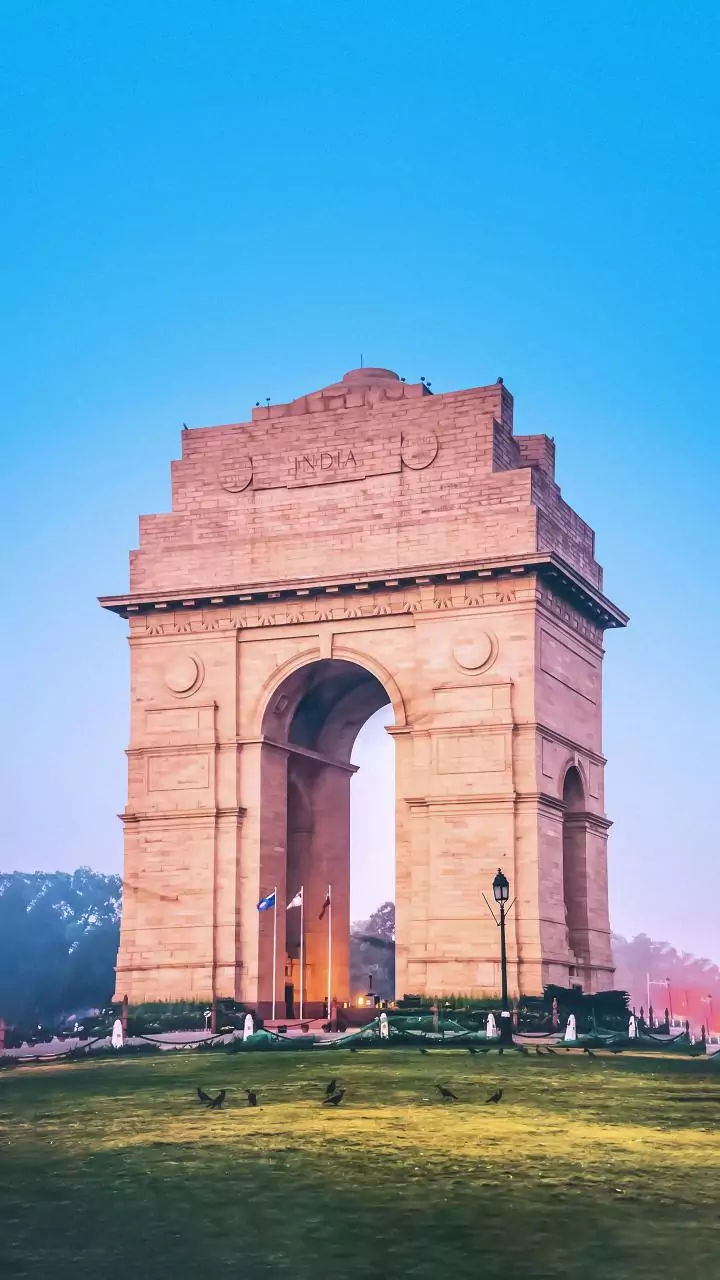
The US has granted India a 30-day waiver to purchase Russian oil currently stranded at sea, aiming to ease global supply pressures amid Iran's decision to close the Strait of Hormuz.
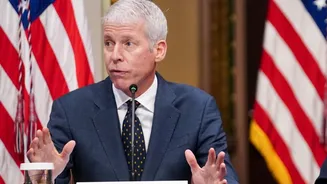
US Energy Secretary Chris Wright stated that this short-term measure will help stabilise oil prices and is not a change in policy towards Russia.
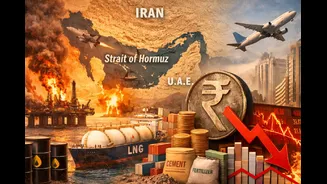
The decision comes as the blockade of the Strait of Hormuz has disrupted global oil supplies, with India being heavily reliant on Middle Eastern oil imports.
The Energy Secretary emphasised that higher energy prices are temporary and will normalise once the conflict subsides. The US is focused on degrading Iran's capabilities and expects ship traffic to resume through the Strait of Hormuz soon.
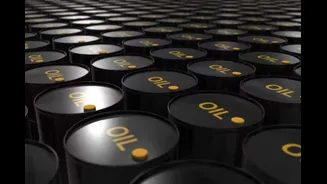
In a conversation with ABC News, he said, “So there's a bunch of floating barrels just sitting there. We've reached out to our friends in India and said, buy that oil, bring it into your refineries. That pulls stored oil immediately into Indian refineries and releases the pressure on other refineries around the world to buy oil that they're no longer competing with the Indians for in that marketplace.”
“So, we have a number of measures like that that are short-term and (6:32) temporary. This is no change in policy towards Russia. This is a very brief change in policy (6:39) just to keep oil prices down a little bit better than we could otherwise,” he added.
The US Energy Secretary emphasised that the conflict is temporary and will end soon, with the US focused on degrading Iran's ability to terrorise its neighbours.
"It's in a very active conflict zone, and Iran is very focused on fire. They've hit a number of tankers. Iran is a little cage lion right now, and they're fearful that their ability to terrorise their neighbours and kill Americans is going to come to an end soon. So, it's a conflict (2:22) zone right now. But again, that's quite a temporary event," he added.
He added that while the US government's backstopping for insurance is planned for the future, current efforts focus on addressing the immediate physical security risks in the Strait of Hormuz. He noted that commercial markets exist, and the focus remains on overcoming the current lack of safety for tanker transit, which is expected to change soon.
Wright stated that energy prices will normalise once the conflict subsides, and the US has significant oil stores, including its strategic petroleum reserve. “Again, US, at very record production right now, there's a lot of floating storage of oil around the world that's easily accessible. We have significant oil stores in the United States, in our strategic petroleum reserve. Our allies that we've been coordinating with have sent excess oil out in storage around the world,” he said.
The world is at ‘absolutely zero risk’ of running out of oil or energy through this conflict, “but we are suffering a short-term price dislocation,” he added.
Wright further asserts that record-breaking US oil and gas production has kept current fuel prices significantly lower than the previous administration’s peak, framing the current price spike as a temporary hurdle in a long-term plan to achieve energy independence and national reindustrialisation.
"We want to insulate our citizens as much as we can from energy markets, (4:09) bring jobs, reindustrialisation, and opportunity to the United States. But we've got to fix a long-term problem that everyone wanted to just kick the can down the road. President Trump's like, time to end a 47-year conflict," he added.
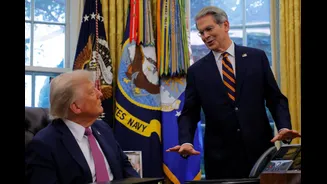
According to Treasury Secretary Scott Bessent, the temporary 30-day waiver move is a short-term measure aims to maintain market stability during the ongoing geopolitical tension.
"To enable oil to keep flowing into the global market, the Treasury Department is issuing a temporary 30-day waiver to allow Indian refiners to purchase Russian oil. This deliberately short-term measure will not provide significant financial benefit to the Russian government as it only authorizes transactions involving oil already stranded at sea," he said.
US Energy Secretary Chris Wright stated that this short-term measure will help stabilise oil prices and is not a change in policy towards Russia.
The decision comes as the blockade of the Strait of Hormuz has disrupted global oil supplies, with India being heavily reliant on Middle Eastern oil imports.
The Energy Secretary emphasised that higher energy prices are temporary and will normalise once the conflict subsides. The US is focused on degrading Iran's capabilities and expects ship traffic to resume through the Strait of Hormuz soon.
In a conversation with ABC News, he said, “So there's a bunch of floating barrels just sitting there. We've reached out to our friends in India and said, buy that oil, bring it into your refineries. That pulls stored oil immediately into Indian refineries and releases the pressure on other refineries around the world to buy oil that they're no longer competing with the Indians for in that marketplace.”
“So, we have a number of measures like that that are short-term and (6:32) temporary. This is no change in policy towards Russia. This is a very brief change in policy (6:39) just to keep oil prices down a little bit better than we could otherwise,” he added.
The US Energy Secretary emphasised that the conflict is temporary and will end soon, with the US focused on degrading Iran's ability to terrorise its neighbours.
"It's in a very active conflict zone, and Iran is very focused on fire. They've hit a number of tankers. Iran is a little cage lion right now, and they're fearful that their ability to terrorise their neighbours and kill Americans is going to come to an end soon. So, it's a conflict (2:22) zone right now. But again, that's quite a temporary event," he added.
He added that while the US government's backstopping for insurance is planned for the future, current efforts focus on addressing the immediate physical security risks in the Strait of Hormuz. He noted that commercial markets exist, and the focus remains on overcoming the current lack of safety for tanker transit, which is expected to change soon.
Wright stated that energy prices will normalise once the conflict subsides, and the US has significant oil stores, including its strategic petroleum reserve. “Again, US, at very record production right now, there's a lot of floating storage of oil around the world that's easily accessible. We have significant oil stores in the United States, in our strategic petroleum reserve. Our allies that we've been coordinating with have sent excess oil out in storage around the world,” he said.
The world is at ‘absolutely zero risk’ of running out of oil or energy through this conflict, “but we are suffering a short-term price dislocation,” he added.
Wright further asserts that record-breaking US oil and gas production has kept current fuel prices significantly lower than the previous administration’s peak, framing the current price spike as a temporary hurdle in a long-term plan to achieve energy independence and national reindustrialisation.
"We want to insulate our citizens as much as we can from energy markets, (4:09) bring jobs, reindustrialisation, and opportunity to the United States. But we've got to fix a long-term problem that everyone wanted to just kick the can down the road. President Trump's like, time to end a 47-year conflict," he added.
According to Treasury Secretary Scott Bessent, the temporary 30-day waiver move is a short-term measure aims to maintain market stability during the ongoing geopolitical tension.
President
Trump’s energy agenda has resulted in oil and gas production reaching the highest levels ever recorded.
To enable oil to keep flowing into the global market, the Treasury Department is issuing a temporary 30-day waiver to allow Indian refiners to purchase Russian oil.…
— Treasury Secretary Scott Bessent (@SecScottBessent) March 6, 2026
"To enable oil to keep flowing into the global market, the Treasury Department is issuing a temporary 30-day waiver to allow Indian refiners to purchase Russian oil. This deliberately short-term measure will not provide significant financial benefit to the Russian government as it only authorizes transactions involving oil already stranded at sea," he said.