







What is the story about?
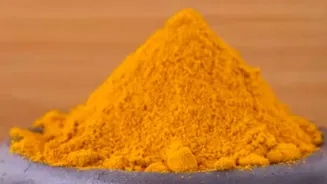
The Food Safety and Standards Authority of India (FSSAI) has urged consumers to stay alert about adulteration in commonly used spices such as turmeric. Such adulteration can go unnoticed in everyday cooking and also pose health risks.
In a post on X, the food regulator shared a simple method to check the quality of turmeric powder at home.
“Artificial colours have no place in a healthy diet. A quick water test can reveal the truth about turmeric powder. Always check before you use,” read the caption.
Here’s the post:
FSSAI’s Turmeric Test
To help users check the purity of turmeric, FSSAI has shared a test that can be done using basic household items. Here’s the test:
How to identify pure vs adulterated turmeric
The outcome of the test shows the difference between pure and adulterated turmeric. According toFSSAI, pure turmeric settles slowly at the bottom and leaves the water with a light yellow colour.
But adulterated turmeric turns the water a strong and bright yellow almost instantly. This indicated the presence of artificial colours.
This change makes it easy for consumers to understand if they are using pure or artificial turmeric in their kitchens.
Artificial colours in food can pose health risks in the long term. As turmeric is a staple ingredient in Indian households, even small amounts of adulteration can have wider implications.
Apart from the water test, consumers can take a few other precautions as well while buying turmeric. They should choose trusted brands or local sources. It is also best to avoid turmeric powder that’s unusually bright yellow. Packaging details, including FSSAI certification, should also be checked.
With food adulteration becoming common, awareness and such small preventive steps can go a long way. A quick check at home can help reduce health risks.
In a post on X, the food regulator shared a simple method to check the quality of turmeric powder at home.
“Artificial colours have no place in a healthy diet. A quick water test can reveal the truth about turmeric powder. Always check before you use,” read the caption.
Here’s the post:
Artificial colors have no place in a healthy diet. A quick water test can reveal the truth about turmeric powder. Always check before you use. #EatRightIndia
#NoToAdulteration #FoodSafety pic.twitter.com/zdGBTKpK0u
— FSSAI (@fssaiindia) April 4, 2026
FSSAI’s Turmeric Test
To help users check the purity of turmeric, FSSAI has shared a test that can be done using basic household items. Here’s the test:
- Take two glasses of water.
- Add a small quantity of turmeric powder into both glasses.
- Let the mixture sit undisturbed for a few minutes.
How to identify pure vs adulterated turmeric
The outcome of the test shows the difference between pure and adulterated turmeric. According toFSSAI, pure turmeric settles slowly at the bottom and leaves the water with a light yellow colour.
But adulterated turmeric turns the water a strong and bright yellow almost instantly. This indicated the presence of artificial colours.
This change makes it easy for consumers to understand if they are using pure or artificial turmeric in their kitchens.
Artificial colours in food can pose health risks in the long term. As turmeric is a staple ingredient in Indian households, even small amounts of adulteration can have wider implications.
Apart from the water test, consumers can take a few other precautions as well while buying turmeric. They should choose trusted brands or local sources. It is also best to avoid turmeric powder that’s unusually bright yellow. Packaging details, including FSSAI certification, should also be checked.
With food adulteration becoming common, awareness and such small preventive steps can go a long way. A quick check at home can help reduce health risks.