






What is the story about?
SpaceX successfully launched its ninth next-generation GPS satellite for the US Space Force late Tuesday night from Cape Canaveral, Florida. The satellite was sent into medium Earth orbit using a SpaceX Falcon 9 rocket.
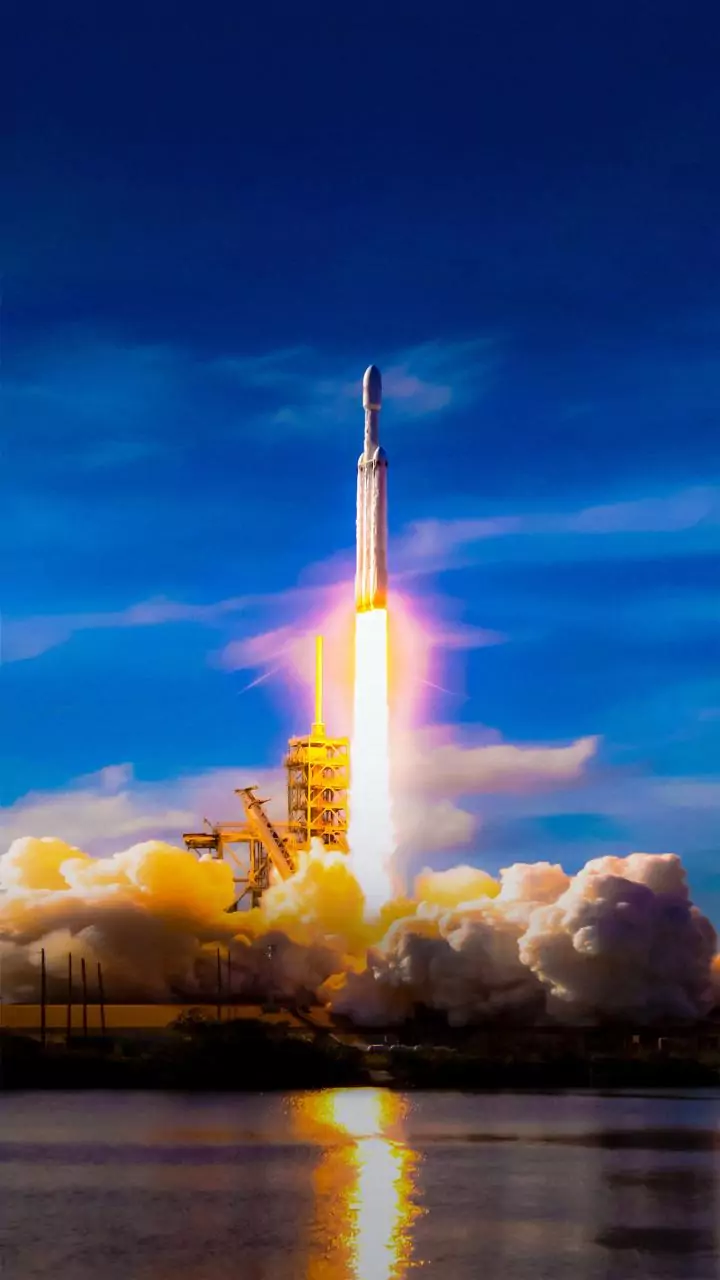
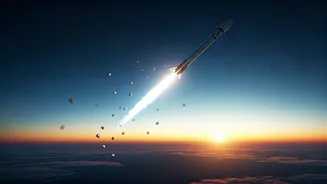
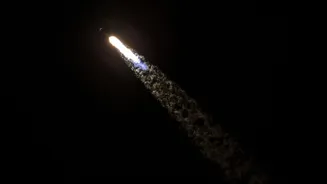
The Falcon 9 rocket lifted off from Space Launch Complex 40 at Cape Canaveral Space Force Station at 11:53 pm (US Eastern Time) on January 27. The launch was supposed to happen on January 25 but got delayed due to bad weather.
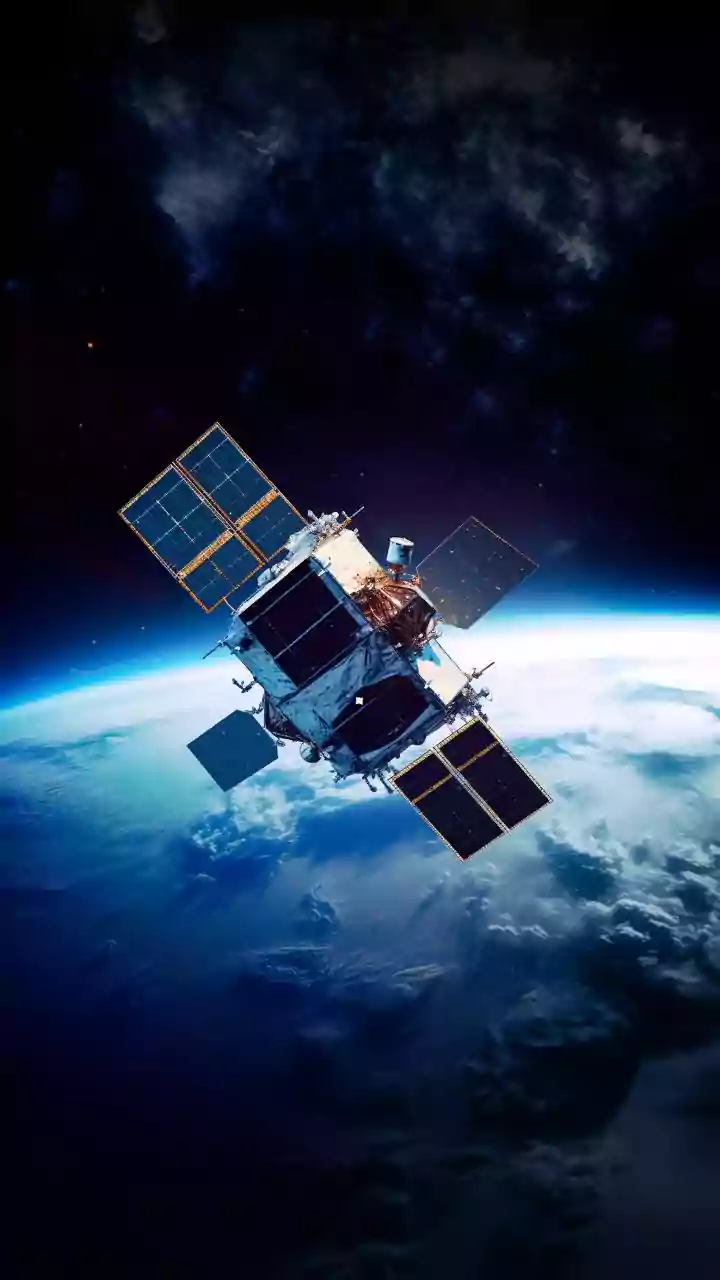
The mission named GPS 3-9, carried the GPS Space Vehicle 09 (SV09). About 90 minutes after liftoff, the satellite separated from the rocket's upper stage and began its journey in orbit. The GPS III satellites are made by Lockheed Martin, one of the world's biggest aerospace companies. These satellites are more advanced than older GPS satellites.
The satellite is equipped with M-Code, a secure military GPS signal. According to the Space Force, this technology is critical because it has a secure military GPS signal that is much harder to block, jam, or interfere with.
The mission was handled by two main Space Force teams. Space Systems Command (SSC) handled the launch planning and rocket selection. A unit under SSC, called System Delta 80 (SYD 80), managed the National Security Space Launch (NSSL) programme.
On the other hand, Combat Forces Command (CFC) took care of the satellite itself before launch. Its unit, Mission Delta 31, worked closely with Lockheed Martin.
US Space Force Colonel Ryan Hiserote, SYD 80 Commander and National Security Space Launch program manager, in an emailed statement, said, "We have a proven ability to adapt the launch manifest to complex and dynamic factors and are continuing to shorten our timelines for delivering critical capabilities to warfighters."
"For this launch, we traded a GPS III mission from a Vulcan to a Falcon 9, then exchanged a later GPS IIIF mission from a Falcon Heavy to a Vulcan," he added.
SpaceX used a reusable Falcon 9 rocket booster, called B1096, to launch this mission. The booster had already flown four times before, carrying different missions for NASA, the US military, Amazon's Kuiper project, and SpaceX's Starlink satellites.
After the rocket lifted off, the first stage separated and came back to Earth. About eight and a half minutes later, it landed safely on a floating platform in the Atlantic Ocean.
This landing was a big milestone because this was the 141st landing on that vessel and the 564th booster landing for SpaceX to date. The launch was also important because it was SpaceX's second mission this year involving US national security.
The Falcon 9 rocket lifted off from Space Launch Complex 40 at Cape Canaveral Space Force Station at 11:53 pm (US Eastern Time) on January 27. The launch was supposed to happen on January 25 but got delayed due to bad weather.
The mission named GPS 3-9, carried the GPS Space Vehicle 09 (SV09). About 90 minutes after liftoff, the satellite separated from the rocket's upper stage and began its journey in orbit. The GPS III satellites are made by Lockheed Martin, one of the world's biggest aerospace companies. These satellites are more advanced than older GPS satellites.
The satellite is equipped with M-Code, a secure military GPS signal. According to the Space Force, this technology is critical because it has a secure military GPS signal that is much harder to block, jam, or interfere with.
Falcon
9 launches GPS III-9 to orbit, completing SpaceX’s third accelerated mission for the @USSpaceForce pic.twitter.com/SUHedg0YKT
— SpaceX (@SpaceX) January 28, 2026
The mission was handled by two main Space Force teams. Space Systems Command (SSC) handled the launch planning and rocket selection. A unit under SSC, called System Delta 80 (SYD 80), managed the National Security Space Launch (NSSL) programme.
On the other hand, Combat Forces Command (CFC) took care of the satellite itself before launch. Its unit, Mission Delta 31, worked closely with Lockheed Martin.
US Space Force Colonel Ryan Hiserote, SYD 80 Commander and National Security Space Launch program manager, in an emailed statement, said, "We have a proven ability to adapt the launch manifest to complex and dynamic factors and are continuing to shorten our timelines for delivering critical capabilities to warfighters."
"For this launch, we traded a GPS III mission from a Vulcan to a Falcon 9, then exchanged a later GPS IIIF mission from a Falcon Heavy to a Vulcan," he added.
SpaceX used a reusable Falcon 9 rocket booster, called B1096, to launch this mission. The booster had already flown four times before, carrying different missions for NASA, the US military, Amazon's Kuiper project, and SpaceX's Starlink satellites.
After the rocket lifted off, the first stage separated and came back to Earth. About eight and a half minutes later, it landed safely on a floating platform in the Atlantic Ocean.
This landing was a big milestone because this was the 141st landing on that vessel and the 564th booster landing for SpaceX to date. The launch was also important because it was SpaceX's second mission this year involving US national security.