


What is the story about?
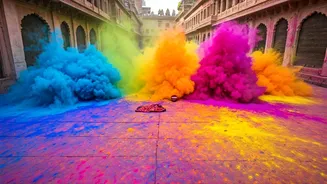
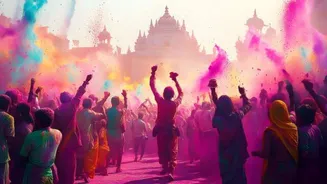
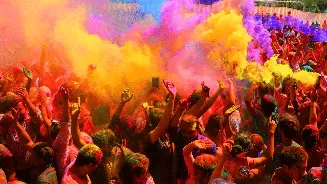
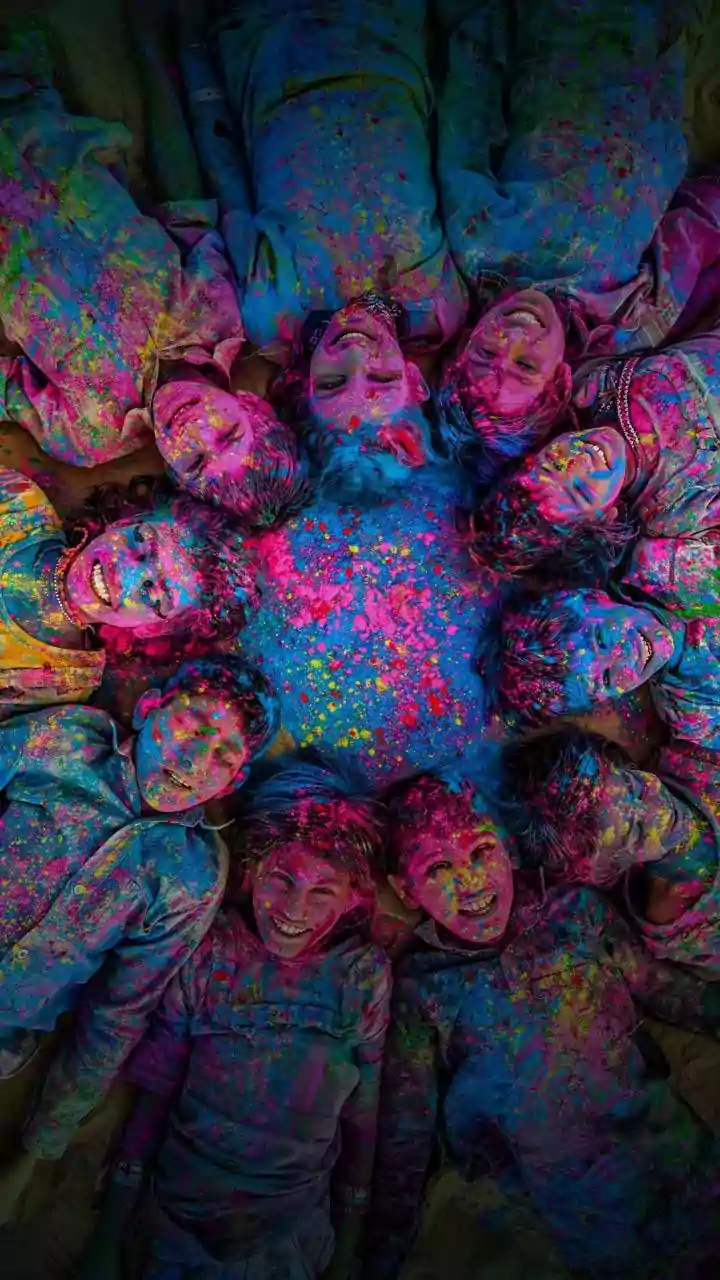
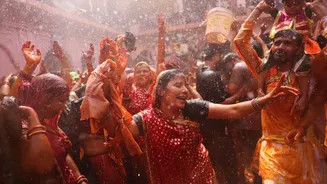
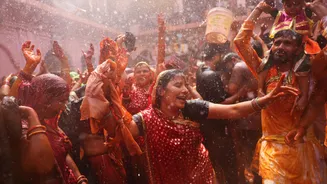
Holi is a major Hindu festival cherished by people of all age groups. Known as the festival of colours, it is celebrated on the last full moon in the lunar month of Phalguna. The vibrant two-day Hindu festival is celebrated with great enthusiasm and joy across India to mark the arrival of spring and the victory of good over evil.
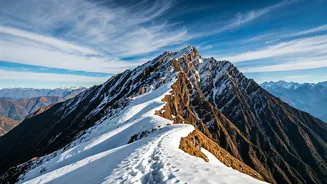
In the hills of Uttarakhand, the festival transforms into the unique Kumaoni Holi. Kumaoni Holi is a unique version of the spring festival, celebrated with deep tradition in the Kumaon region, located in the picturesque hills of Uttarakhand.
While most people focus on colours and sweets, this region stands out for its musical heritage and strong sense of community. From its classical singing sessions to its local mountain flavours, Kumaoni Holi is a beautiful mix of history and culture that brings the entire hillside to life.
Distinctive Forms of Kumaoni Holi
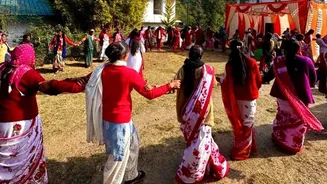
Set against the majestic Himalayan landscape, Holi in the Kumaon hills is uniquely expressed through three traditional forms — Baithaki (sitting), Khari (standing), and Mahila Holi (women’s gathering)—transforming the festival into a sophisticated, soulful event.
History
Holi in the Kumaon region is a historic legacy that began in the 15th century when the musical styles of the Chand kings' court blended with local mountain traditions. As the dynasty expanded from Champawat, so did this unique celebration, eventually spreading throughout the Kumaon region.
ALSO READ |From Lathmar to Hola Mohalla: 10 regional Holi traditions in India that go beyond colours
The origins of Kumaoni Holi also suggest a conflation of local culture with Hindu mythology. While it honours the classic victory of good over evil — symbolised by the story of Prahlad and Holika — the festival has evolved over centuries into a distinct cultural fabric shaped by both indigenous customs and the arrival of Hindu traditions.
Celebrations
Holi in Kumaon is a vibrant, multi-day festival that kicks off with Holika Dahan, where bonfires symbolise the victory of good over evil. The celebration evolves into the Baithaki Holi parade, a lively display of traditional folk songs with the accompaniment of musical instruments of the dhol and hurka.
A unique highlight of the festival is Cheer Bandhan, which involves guarding the Cheer, the centre of all the ceremonial festivities.
Cheer Dahan is the tradition of lighting a bonfire on the night before Holi to commemorate Prahlad's victory over his evil father. Deep in the rural heart of Uttarakhand, the hills come alive with Khari Holi, featuring groups in traditional white kurtas and pointed topis dancing to rhythmic chants.
ALSO READ | Hola Mohalla in Punjab: The warrior Holi tradition
Culinary Traditions
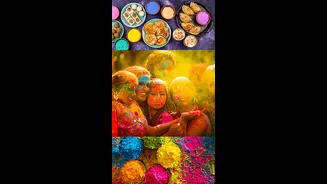
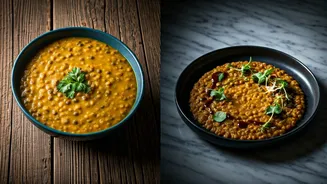
Beyond the music, Kumaoni Holi is also about a splendid feast featuring iconic treats like khoya-filled Gujjias, crispy Singhal, and spicy Aloo Gutuk. This gastronomic journey—complete with Bhang ki Pakodi and the region's famous Bal Mithai—serves as a gesture of goodwill and camaraderie as families gather to share these traditional mountain flavours.
No Kumaoni Holi celebration is complete without indulging in the culinary delicacies associated with the festival.
In the hills of Uttarakhand, the festival transforms into the unique Kumaoni Holi. Kumaoni Holi is a unique version of the spring festival, celebrated with deep tradition in the Kumaon region, located in the picturesque hills of Uttarakhand.
While most people focus on colours and sweets, this region stands out for its musical heritage and strong sense of community. From its classical singing sessions to its local mountain flavours, Kumaoni Holi is a beautiful mix of history and culture that brings the entire hillside to life.
Distinctive Forms of Kumaoni Holi
Set against the majestic Himalayan landscape, Holi in the Kumaon hills is uniquely expressed through three traditional forms — Baithaki (sitting), Khari (standing), and Mahila Holi (women’s gathering)—transforming the festival into a sophisticated, soulful event.
History
Holi in the Kumaon region is a historic legacy that began in the 15th century when the musical styles of the Chand kings' court blended with local mountain traditions. As the dynasty expanded from Champawat, so did this unique celebration, eventually spreading throughout the Kumaon region.
ALSO READ |From Lathmar to Hola Mohalla: 10 regional Holi traditions in India that go beyond colours
The origins of Kumaoni Holi also suggest a conflation of local culture with Hindu mythology. While it honours the classic victory of good over evil — symbolised by the story of Prahlad and Holika — the festival has evolved over centuries into a distinct cultural fabric shaped by both indigenous customs and the arrival of Hindu traditions.
Celebrations
Holi in Kumaon is a vibrant, multi-day festival that kicks off with Holika Dahan, where bonfires symbolise the victory of good over evil. The celebration evolves into the Baithaki Holi parade, a lively display of traditional folk songs with the accompaniment of musical instruments of the dhol and hurka.
A unique highlight of the festival is Cheer Bandhan, which involves guarding the Cheer, the centre of all the ceremonial festivities.
Cheer Dahan is the tradition of lighting a bonfire on the night before Holi to commemorate Prahlad's victory over his evil father. Deep in the rural heart of Uttarakhand, the hills come alive with Khari Holi, featuring groups in traditional white kurtas and pointed topis dancing to rhythmic chants.
ALSO READ | Hola Mohalla in Punjab: The warrior Holi tradition
Culinary Traditions
Beyond the music, Kumaoni Holi is also about a splendid feast featuring iconic treats like khoya-filled Gujjias, crispy Singhal, and spicy Aloo Gutuk. This gastronomic journey—complete with Bhang ki Pakodi and the region's famous Bal Mithai—serves as a gesture of goodwill and camaraderie as families gather to share these traditional mountain flavours.
No Kumaoni Holi celebration is complete without indulging in the culinary delicacies associated with the festival.