
Prep Like A Pro
Efficient food preparation is key to smooth cooking. First, organize your ingredients by 'mise en place,' setting everything you need before you start
cooking. Chopping vegetables can be time-consuming. Consider using a food processor for quick results. Alternatively, master basic knife skills, such as the 'rock chop' for quick and even dicing. When dealing with garlic, smash the cloves with the flat side of a knife, then chop. Herbs will keep their freshness longer when stored with a damp paper towel in the refrigerator. Pre-portioning ingredients into freezer bags or containers streamlines meal preparation. These preparation tactics minimize stress and maximize efficiency during cooking, making you a more confident cook.
Clever Cooking Techniques
Mastering cooking techniques boosts the flavor and efficiency of your dishes. For perfect fried eggs, crack the eggs into a small bowl, then gently slide them into the hot pan with melted butter. Cooking pasta? Always salt the water generously; it helps season the pasta from the inside out. When boiling vegetables, avoid overcooking by starting them in boiling water. This ensures they retain their vibrant colors and textures. For quick and delicious grilling, preheat your grill thoroughly. Marinating your meats before grilling amplifies the flavor. Avoid overcrowding the pan to ensure even cooking. Utilizing these cooking methods will enhance your culinary skills and make you a more efficient and confident home chef, creating enjoyable dining experiences.
Smart Storage Solutions
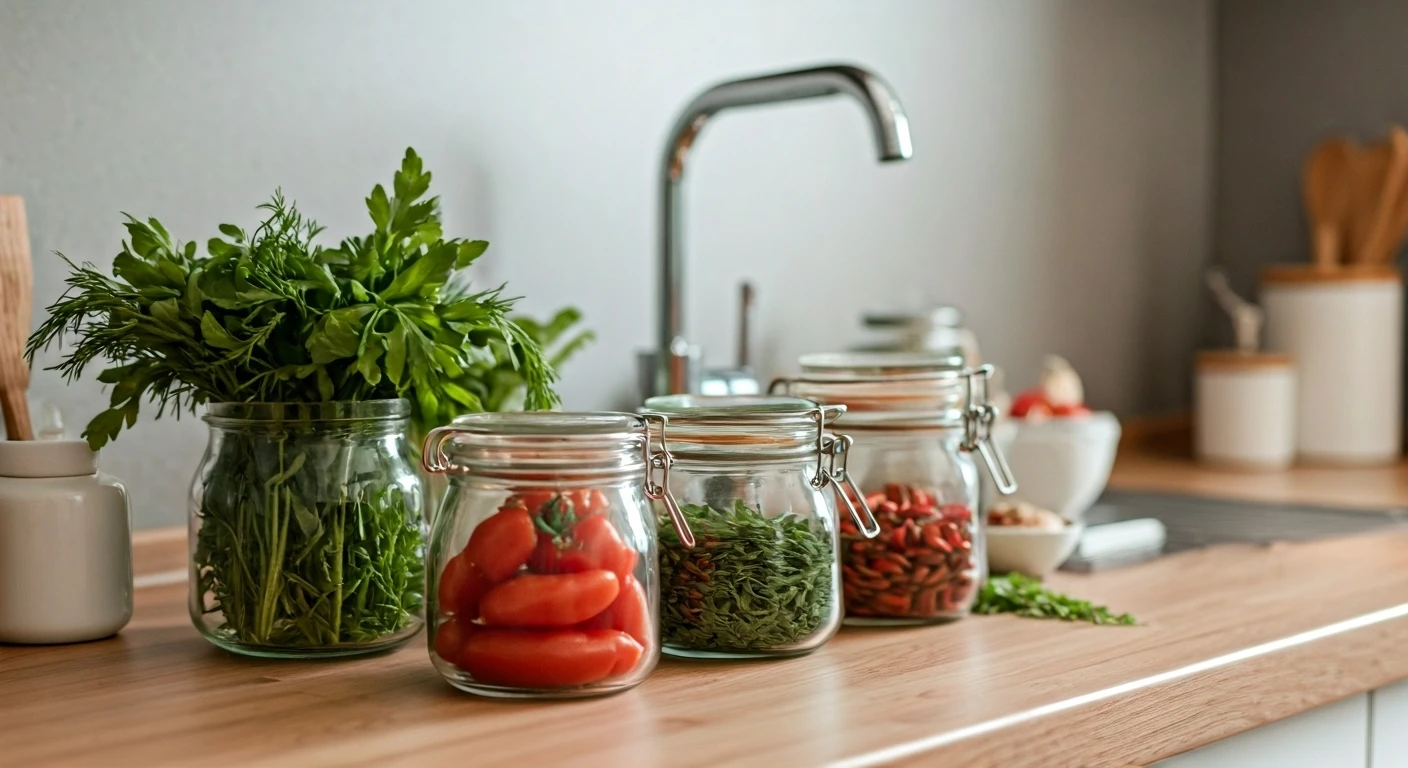
Effective food storage is essential to maintain freshness and prevent waste. Proper storage also reduces food costs. Keep vegetables fresh by storing them in a crisper drawer in the refrigerator. Wrap herbs in a damp paper towel before storing them. Store leftovers in airtight containers to prevent contamination and extend shelf life. Label and date containers to keep track of food's freshness. Repurpose glass jars for pantry storage to maintain organization and visual clarity. Freeze ingredients, such as stock, herbs, and fruits, in portions for easy future use. Implementing these storage practices ensures that food stays fresh for longer, contributing to reduced waste and optimized resources, consequently promoting a more efficient and sustainable kitchen.
Time-Saving Tips
Efficient techniques can save time when cooking. One of the easiest time-saving tips is to cook ingredients in batches, such as chopping vegetables. Create a meal plan for the week, prepping ingredients in advance. Consider utilizing kitchen gadgets like a pressure cooker or slow cooker to reduce hands-on cooking time. Batch cooking allows you to prepare several meals at once. For example, a large pot of soup can become multiple lunches and dinners. Embrace one-pot meals to minimize cleanup and cooking time. These tips not only save time but also make cooking easier. Meal prepping helps reduce last-minute decision-making. These strategies boost your efficiency and reduce time spent in the kitchen.
Flavor Boosting Secrets
Unlocking the secret of flavor is essential to create delicious dishes. Adding fresh herbs is a great way to enhance taste. Experiment with spices, considering their optimal pairings. Acidic ingredients like lemon juice or vinegar, can balance flavors. Salt is crucial for seasoning; add it at the right moments. Use fresh ingredients whenever possible, as they offer superior flavor. Consider adding a splash of wine or stock. Caramelizing onions slowly unlocks their natural sweetness. Mastering these flavor-enhancing techniques, will dramatically elevate the taste. Experiment and adapt your cooking style, helping you to produce delicious and flavorful meals.