



Effortless Ingredient Prep
Streamlining your preparation process is key to faster and more enjoyable cooking. Consider adopting the 'mise en place' philosophy, which involves gathering
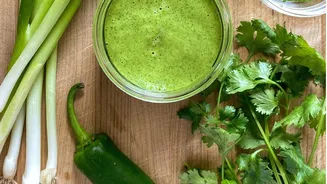
and preparing all your ingredients before you start cooking. This means washing, chopping, and measuring everything in advance. For instance, instead of pausing mid-stir-fry to chop onions, have them pre-sliced and ready to go. Another excellent technique is using a multi-blade chopper for herbs or onions, which can significantly cut down on chopping time and effort. Similarly, investing in a good quality mandoline slicer can make quick work of uniform vegetable slices for salads or gratins. For garlic, a simple garlic press or even pre-minced garlic from a jar can be a lifesaver on busy weeknights. These small changes in prep work can dramatically reduce the overall time spent in the kitchen and make the cooking process feel much less daunting and more fluid. It’s about setting yourself up for success before the heat even hits the pan, ensuring a smoother and more focused cooking experience.
Smart Storage Solutions
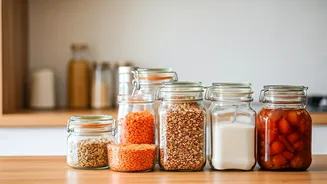
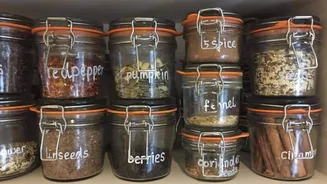
Maximizing your kitchen's storage capacity and organization can lead to a more functional and less cluttered cooking space. Employ vertical storage by using stackable containers for dry goods like flour, sugar, and pasta, or by adding extra shelves in cabinets. Drawer organizers are invaluable for keeping utensils, cutlery, and even spice jars tidy and easily accessible. For produce, consider using breathable bags or containers to extend their shelf life and prevent premature spoilage. Labeling is another crucial element; clearly marking containers with their contents and purchase or expiry dates helps reduce waste and makes finding items a breeze. Think about utilizing the back of cabinet doors for hanging lids or measuring spoons. A well-organized pantry and refrigerator mean less time searching for ingredients and more time actually cooking. This proactive approach to storage not only tidies up your kitchen but also improves your overall efficiency and reduces the stress associated with meal preparation.
Quick Cleanup Tricks
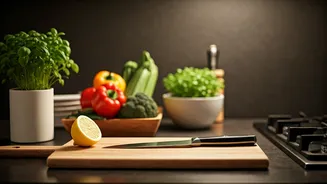
Minimizing post-meal cleanup is a significant boon to any home cook. Develop the habit of cleaning as you go; wipe down counters and wash used utensils while waiting for food to cook or cool. For stubborn baked-on food in pots and pans, a soak with hot water and a bit of dish soap often does wonders, or a paste of baking soda and water can be surprisingly effective. Consider using parchment paper or aluminum foil when roasting or baking to catch drips and minimize scrubbing later. For cutting boards, a quick scrub with salt and lemon can disinfect and deodorize them. Even simple things like rinsing dishes immediately after use before they dry can prevent tough scrubbing later. Investing in a good quality dishwasher can also be a major time-saver, but even without one, adopting these small, consistent cleaning habits can make a huge difference in reducing the post-cooking chore load and allowing you to relax sooner.
Flavor Boosting Techniques
Elevating the taste of your dishes doesn't always require complex steps. A simple yet powerful technique is to bloom your spices: lightly toasting them in a dry pan before adding them to your cooking releases their aromatic compounds and intensifies their flavor. For sauces and soups, finishing them with a swirl of butter, a squeeze of fresh lemon juice, or a handful of fresh herbs can add a bright, nuanced taste that makes a significant difference. Don't underestimate the power of a good quality salt; using flaky sea salt for finishing dishes can provide a pleasant texture and a cleaner salty taste than table salt. Similarly, freshly ground black pepper offers a more pungent and complex flavor than pre-ground varieties. Marinating meats and vegetables, even for a short period, can infuse them with a depth of flavor that greatly enhances the final dish. These accessible methods can transform ordinary meals into culinary highlights with minimal extra effort.
Smart Appliance Usage
Leveraging your kitchen appliances strategically can save you considerable time and effort. For instance, a slow cooker or pressure cooker can handle long-cooking dishes with minimal supervision, allowing you to attend to other tasks. Utilize your microwave not just for reheating, but also for quickly steaming vegetables or melting butter. A food processor can be a powerhouse for chopping, pureeing, and dough-making, significantly reducing manual labor. Consider the benefits of a stand mixer for baking tasks that require extensive kneading or whipping. Even simple tools like an immersion blender can make creating smooth soups or sauces directly in the pot a quick and easy process, eliminating the need to transfer hot liquids to a traditional blender. Understanding the full capabilities of your appliances and using them for tasks they excel at can dramatically streamline your cooking workflow and yield impressive results with less physical exertion.