






Visa Application Hurdles
The path to studying in the United States for Indian students is getting more difficult. Many students report significant delays in visa processing, causing
substantial stress and uncertainty. These delays often disrupt academic plans, leading to postponed start dates and financial strain. Students also face a stricter evaluation process, contributing to a rise in visa rejections, leaving many feeling disappointed and frustrated. This can create a chain of issues, forcing students to re-evaluate their educational ambitions and consider alternative options.
Extended Processing Times
One of the most immediate problems Indian students face is the extended visa processing times. The duration of processing has grown considerably, leading to uncertainty for students. The extended waiting periods place pressure on students to plan and coordinate travel arrangements, secure accommodation, and finalize other logistical details. Unexpected delays impact the academic calendar, forcing students to miss orientation programs and introductory classes. It also creates financial strain, as students must often pay for accommodations and living expenses even before beginning their studies, leading to considerable anxiety regarding their academic future. Some students are missing the beginning of their classes and are forced to defer their admissions.
Increased Scrutiny, Rejections
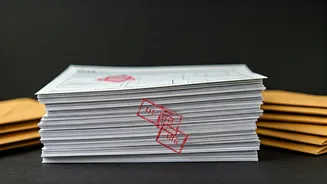
Increased scrutiny during visa interviews and application reviews is another major hurdle for students. US consulates and embassies have implemented more rigorous evaluation processes to address potential security concerns and ensure compliance with immigration regulations. Students face intensive questioning during interviews, where they must demonstrate their genuine intent to study, their financial capability, and their commitment to return to India after completing their studies. This increased scrutiny has led to a rise in visa rejections, leaving many students feeling discouraged. Students must provide detailed documentation of financial stability, academic background, and future plans. Even with meticulous preparation, the stringent criteria may result in denial of visa applications, leading to disappointment and the disruption of carefully laid academic plans.
Impacts on Student Life
The challenges in the US visa process profoundly affect the emotional, financial, and academic well-being of Indian students. The stress of prolonged waiting times, coupled with the fear of rejection, can significantly impact mental health, causing anxiety and uncertainty about the future. Financial difficulties arise from delayed start dates and the need to manage living costs while awaiting visa decisions. Academically, students face the disruption of missed classes, potential delays in completing their degrees, and the burden of catching up with missed coursework upon arrival. Some students, with the pressure and uncertainty, turn to alternative academic paths, either in India or other countries, because the US visa process poses too many hurdles and roadblocks for them.
Navigating Challenges, Solutions
Students can take several steps to navigate these challenges. Starting the visa application process well in advance of the intended start date is critical to minimize the impact of possible delays. Preparing all required documents and attending interview preparations can boost the chances of application approval. Students should prepare to answer questions about their study plans, financial resources, and intentions to return to India. Seeking guidance from education counselors and immigration experts is essential for receiving informed support. Staying informed about the latest visa regulations and procedures and proactively addressing any concerns raised by the consulates will also make a positive impact on the application process.
Future Implications, Outlook
The evolving US visa landscape may have long-term consequences for both Indian students and US educational institutions. Continued delays and higher rejection rates could lead to a decrease in the number of Indian students studying in the US, affecting the diversity and vitality of American universities. If there are fewer Indian students, it will also affect the US economy. It is important for the US government and educational institutions to address these issues to ensure the continued inflow of talented individuals. There is a need for open dialogue and collaboration between the US and Indian governments to streamline visa procedures, and offer support to Indian students, which will help keep the promise of the US as a premier destination for higher education alive and well.