

What's Happening?
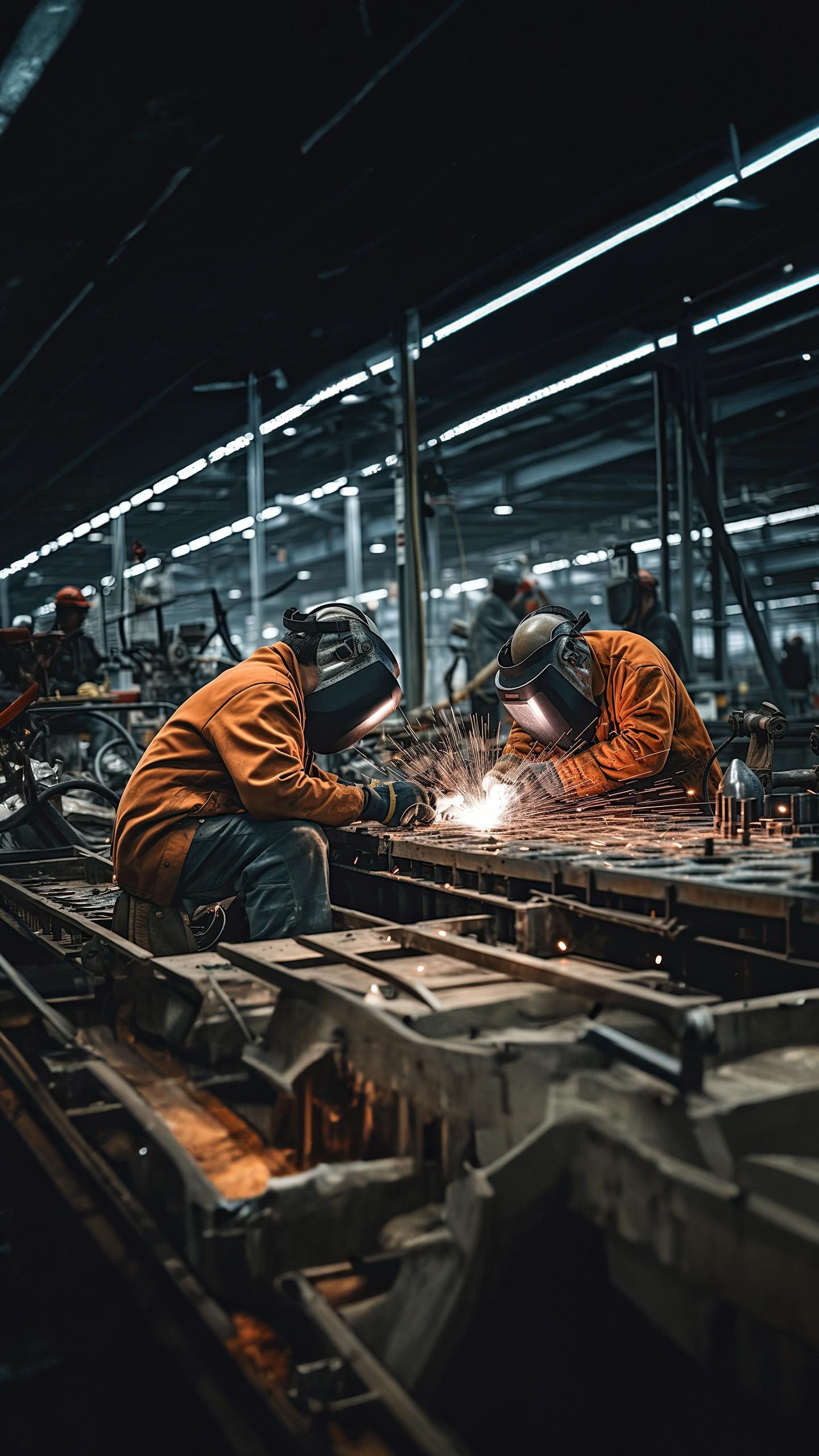
The U.S. manufacturing industry is facing significant hiring challenges, primarily due to a severe shortage of skilled labor and high employee turnover rates. Manufacturing employers frequently require
workers with specialized experience in areas such as machine operation, assembly, quality control, and equipment maintenance. As manufacturing technology advances, there is also a growing need for employees who can adapt to automated equipment and evolving production processes. The National Association of Manufacturers (NAM) has identified workforce development and access to skilled talent as top priorities for the industry. Without a sufficient and stable workforce, businesses experience production delays, increased overtime expenses, higher recruitment costs, and disruptions to daily operations. Employee turnover further exacerbates these issues, as replacing experienced workers requires additional time and resources for recruitment, onboarding, and training, negatively impacting productivity and morale.
Why It's Important?
The challenges in manufacturing hiring have far-reaching implications for the U.S. economy and supply chains. A robust manufacturing sector is crucial for national economic stability, innovation, and competitiveness. The skilled labor shortage directly threatens production capacity, potentially leading to increased reliance on foreign goods and reduced domestic output. High turnover rates create instability within companies, hindering long-term planning and investment in new technologies. This situation affects not only manufacturing companies but also downstream industries that rely on manufactured goods. Addressing these workforce issues is essential for maintaining a strong industrial base, ensuring supply chain resilience, and supporting overall economic growth. The ability of manufacturers to find and retain qualified employees will dictate their capacity to meet market demands and adapt to technological advancements.
What's Next?
To combat these challenges, manufacturing employers are being advised to expand recruitment efforts, invest in employee training, focus on transferable skills, and build reliable talent pipelines. Partnering with manufacturing staffing agencies is also highlighted as a key strategy to connect with qualified candidates. To address high turnover, companies are encouraged to offer competitive compensation, improve onboarding processes, recognize employee contributions, and provide growth opportunities. Additionally, manufacturers need to adapt to fluctuating production demands by utilizing temporary staffing solutions and planning ahead for seasonal needs. Streamlining hiring processes and strengthening employer brands are also critical to attract and retain talent in a competitive market. The industry will likely see continued emphasis on workforce development programs and strategic staffing solutions to build more resilient and adaptable teams.
Beyond the Headlines
The manufacturing sector's struggle with skilled labor and turnover reflects broader systemic issues within the U.S. workforce, including a long-term decline in vocational training emphasis and evolving worker expectations. The increasing automation and technological advancements in manufacturing require a workforce with new and evolving skill sets, creating a gap between available talent and industry needs. This situation underscores the necessity for a national re-evaluation of educational pathways, promoting technical and vocational training as viable and valuable career options. Furthermore, the focus on employee retention highlights the importance of workplace culture, competitive benefits, and career development in attracting and keeping talent in demanding industrial environments. Addressing these challenges effectively will require a multi-faceted approach involving industry, government, and educational institutions to cultivate a future-ready manufacturing workforce.