


What's Happening?
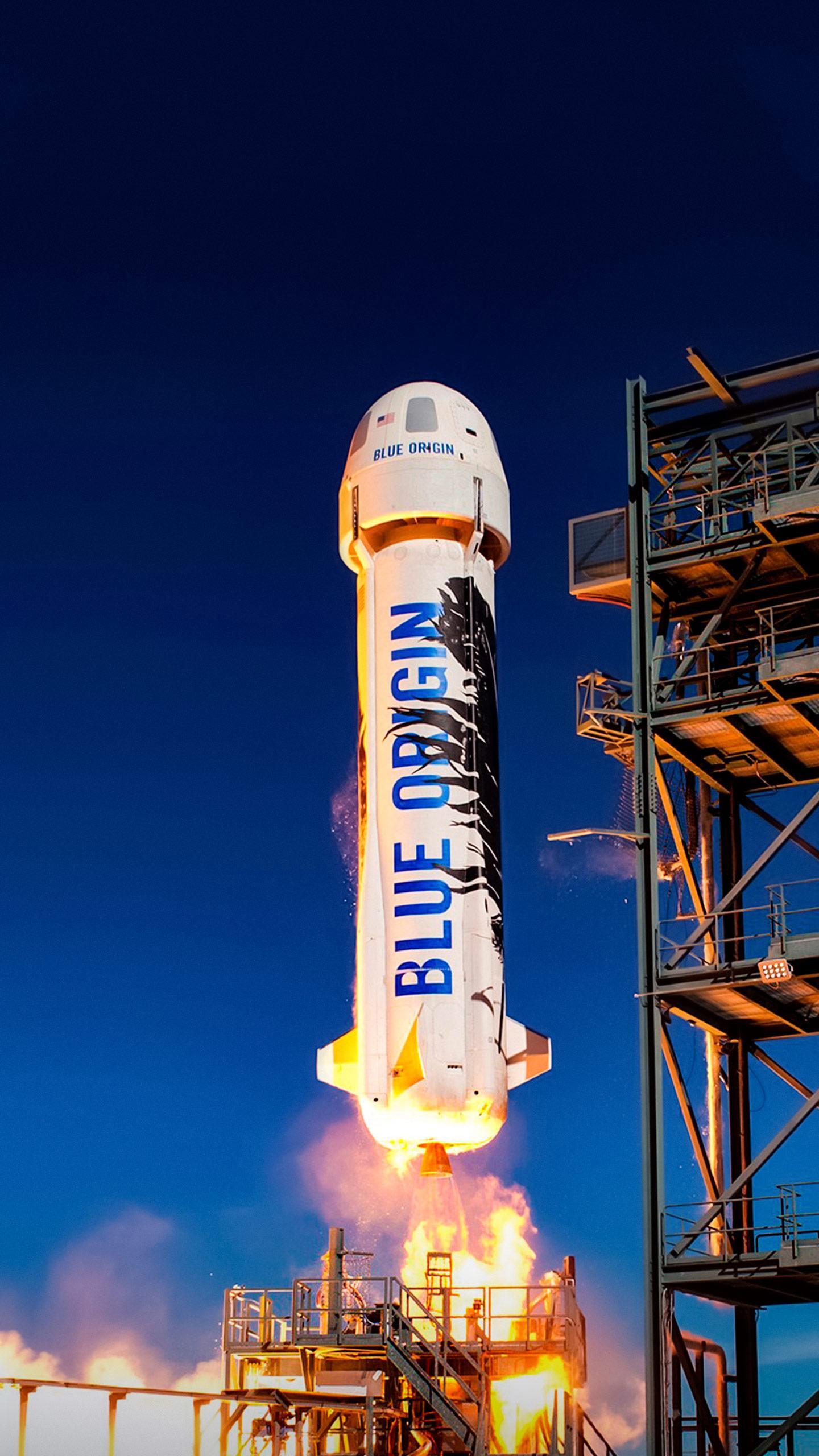
Drake State Community and Technical College in Huntsville, Alabama, and Blue Origin have formed a partnership to create new pathways into aerospace careers. This collaboration focuses on providing technical
education, paid apprenticeships, and hands-on industry training. Blue Origin launched its Advanced Training and Learning Academy for Space (ATLAS) program, a registered apprenticeship designed to prepare skilled workers for space manufacturing roles and address workforce needs in the aerospace industry. The initiative began in Alabama with an inaugural cohort of 10 machinist apprentices, developed in collaboration with Apprenti, a national apprenticeship intermediary. Participants in the program receive classroom instruction at Drake State and practical training at Blue Origin’s manufacturing facilities. They earn full-time salaries and benefits while developing specialized technical skills, including advanced computer numerical control programming, precision measurement, and manufacturing quality systems. Upon completion, apprentices receive nationally recognized credentials.
Why It's Important?
This partnership is significant for several reasons, particularly in addressing the evolving needs of the U.S. aerospace industry and fostering workforce development. It highlights how historically Black colleges and universities (HBCUs) like Drake State can play a crucial role in preparing individuals for careers in science, technology, and advanced manufacturing. By offering alternative pathways to career success, such as apprenticeships, the program allows individuals to enter the aerospace industry without requiring a traditional four-year degree, thereby broadening access to high-demand jobs. For companies like Blue Origin, investing in such programs helps cultivate talent and strengthens relationships with local communities. The initiative also sets a precedent for other employers to develop similar apprenticeship programs, which are vital for maintaining a skilled workforce in technologically advanced sectors. This model helps align educational programs with industry needs, ensuring that participants receive training directly relevant to prospective employers' expectations.
What's Next?
Blue Origin plans to expand its ATLAS program beyond Alabama. The company intends to launch the program in Florida in early 2027, followed by additional manufacturing locations, including Washington state. Blue Origin has set an ambitious goal of producing over 200 journey-level technicians annually by 2030. This expansion will create more opportunities for individuals interested in entering the aerospace workforce across different regions of the U.S. The success of this initiative could also encourage other aerospace and manufacturing companies to adopt similar apprenticeship models, further strengthening the national workforce development ecosystem. Drake State continues to expand its corporate partnerships, having previously announced a technical apprenticeship partnership with Boeing, indicating a growing trend of collaboration between educational institutions and major industry players to meet future workforce demands.
Beyond the Headlines
The collaboration between Drake State and Blue Origin extends beyond immediate workforce needs, touching upon broader societal and economic implications. It underscores the value of technical education and workforce development programs in creating opportunities for individuals whose professional aspirations may not align with traditional academic pathways. This initiative helps redefine career success, demonstrating that certifications, apprenticeships, and industry-specific training are viable and valuable avenues for professional growth. For HBCUs, these partnerships enhance their role in connecting employers with skilled talent and providing students with access to competitive industries. Ethically, it promotes inclusivity by offering diverse routes to high-tech careers, potentially reducing barriers to entry for underrepresented groups. Culturally, it reinforces the idea that education, innovation, and corporate investment can collectively drive economic mobility and prepare the workforce for future technological advancements, from the classroom to the cosmos.