
What's Happening?
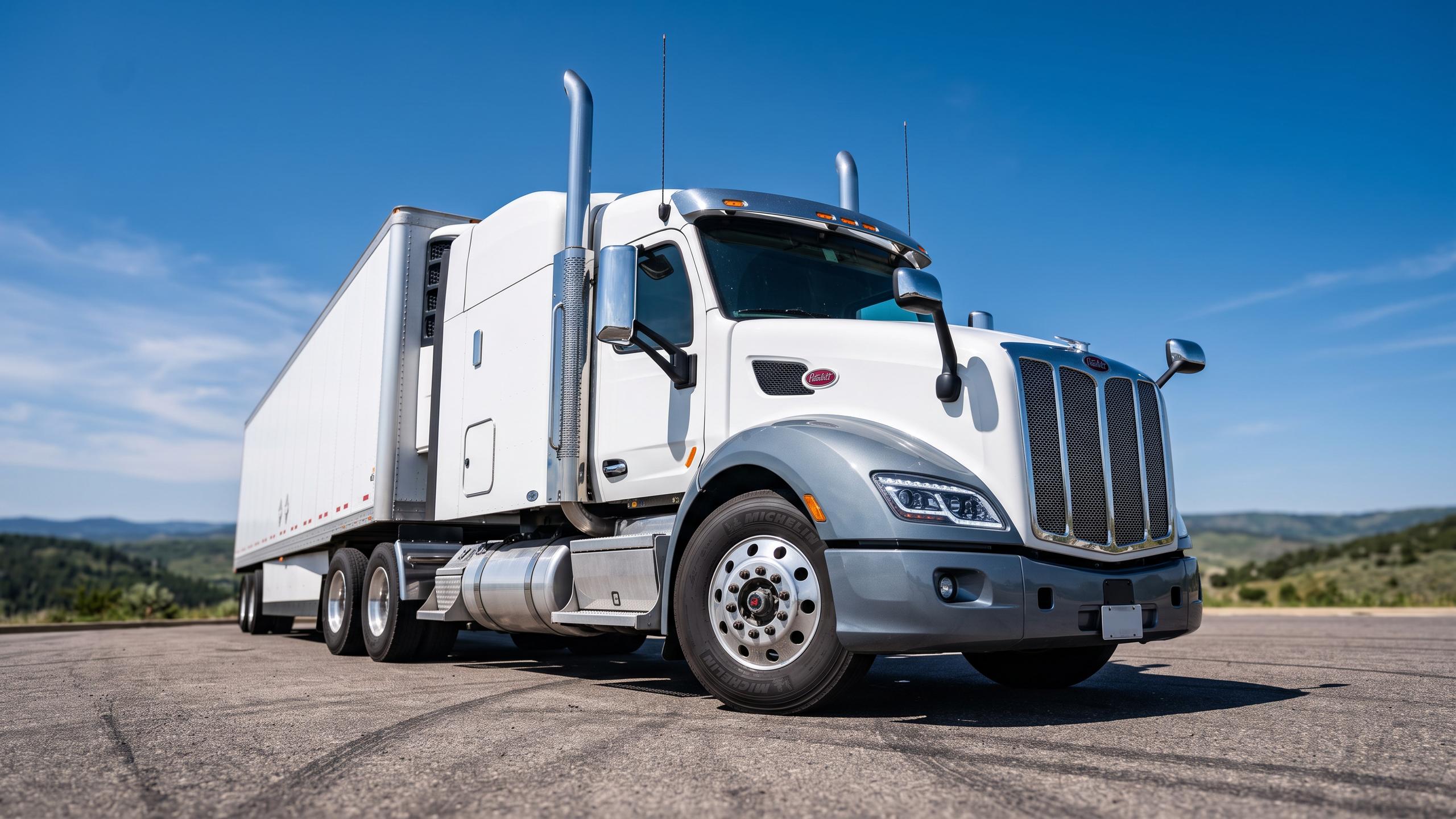
Penske Logistics has introduced an "Elite Truck Driver / Traveling Driver - Class A" program, targeting experienced and reliable CDL Class A drivers. This specialized role is designed for drivers who seek
variety and flexibility, involving regional and national travel to support critical operations, assist in launching new businesses, and fill staffing needs where strong drivers are most required. The program offers a weekly compensation of $2,350 while traveling, which includes a $350 weekly per diem, and drivers are also compensated during their home week. Assignments are typically at least three weeks long, with options for extension. Qualified candidates must hold a current CDL-A, possess at least two years of documented tractor-trailer experience within the last five years, and have no more than two moving violations in the past three years. Preferred candidates will also have hazmat and doubles endorsements. Penske provides a comprehensive benefits package, including paid vacation, holidays, medical, dental, and vision coverage, and retirement plans.
Why It's Important?
This new Elite Truck Driver program by Penske Logistics signifies an innovative approach to addressing the persistent demand for skilled labor within the U.S. trucking industry. By offering premium pay, flexibility, and diverse assignments, Penske aims to attract a segment of experienced drivers who may be seeking alternatives to traditional, fixed routes. This initiative could serve as a model for other logistics companies struggling with driver retention and recruitment, potentially leading to a broader shift in how specialized driving roles are structured and compensated. The program's focus on supporting critical operations and new business launches highlights the strategic importance of adaptable and highly capable drivers in maintaining supply chain resilience and facilitating business growth. For the U.S. economy, a more flexible and responsive driver workforce can help mitigate disruptions and ensure the efficient movement of goods across various regions and industries.
What's Next?
Penske Logistics will continue to recruit for its Elite Truck Driver program, aiming to build a team of adaptable professionals capable of deploying to various locations across the country. The success of this program could lead to its expansion and potentially influence industry standards for specialized driving roles. Other logistics companies may observe Penske's model and consider implementing similar programs to attract and retain experienced drivers, especially those valuing flexibility and higher earning potential. For the drivers themselves, this program offers a unique career path with opportunities for diverse experiences and consistent, premium compensation. The ongoing need for such flexible roles underscores the dynamic nature of the U.S. supply chain and the continuous evolution of strategies to meet its demands.
Beyond the Headlines
The creation of an "Elite Truck Driver" program reflects a deeper trend in the U.S. labor market: the increasing value placed on specialized skills and flexibility. In an era where supply chain disruptions are frequent, having a mobile and highly skilled workforce capable of rapid deployment is a significant competitive advantage. This program also touches upon the evolving expectations of the modern workforce, where many professionals, including truck drivers, are seeking more control over their schedules and a variety of work experiences. While offering attractive incentives, such programs also raise questions about the long-term impact on the traditional driver workforce and whether such elite roles might inadvertently create a two-tiered system within the industry. Furthermore, the emphasis on travel and adaptability highlights the critical, yet often overlooked, human element in maintaining the intricate web of national logistics.