



What's Happening?
Energy Transfer is actively recruiting a Pipeline Controller for its gas and liquids pipeline systems, based in Houston, Texas. This position is critical for ensuring the safe and reliable operation of
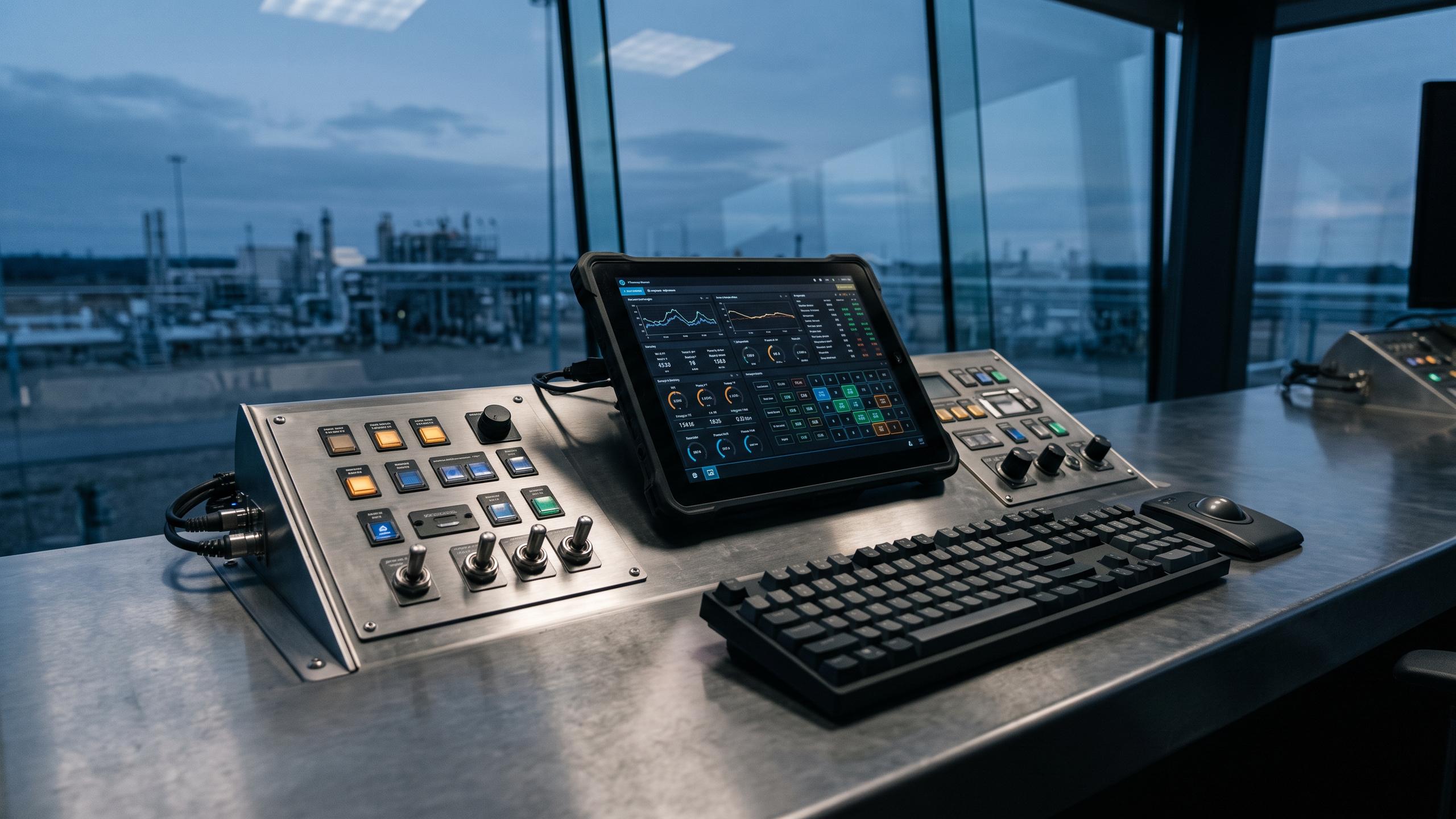
the company's extensive pipeline network, which transports various commodities including natural gas, refined products, natural gas liquids (NGLs), and crude oil. The Pipeline Controller will be responsible for monitoring and maintaining pipeline pressures within design criteria, overseeing gas and liquids quality, and coordinating closely with various departments within Energy Transfer to execute scheduled changes. A key aspect of the role involves being the first point of contact during emergency response situations, including notifying emergency services and company management. The controller will also work with field personnel on troubleshooting communications, SCADA systems, control valves, and other operational equipment, and will be responsible for daily throughput reports and updating emergency notification lists.
Why It's Important?
This recruitment highlights the continuous need for skilled personnel to manage the complex and critical infrastructure of the U.S. energy sector. Pipeline controllers play a vital role in ensuring the uninterrupted flow of energy resources, which is essential for powering homes, industries, and transportation across the nation. The emphasis on safety, emergency response, and coordination underscores the high-stakes nature of pipeline operations, where any disruption can have significant economic and environmental consequences. Energy Transfer's commitment to responsibly and safely delivering America's energy, as recognized by Forbes, reinforces the importance of this role in maintaining operational integrity and public trust. The ability to optimize the use of compressors, pumps, and pipeline equipment directly impacts the efficiency and cost-effectiveness of energy delivery, affecting consumers and industries reliant on these resources.
What's Next?
The successful hiring of a Pipeline Controller will bolster Energy Transfer's operational capabilities, ensuring continued safe and efficient transport of energy commodities. This role is integral to the company's ability to maximize pipeline throughput and respond effectively to operational challenges, including equipment outages and scheduled maintenance. The controller's continuous discretion in initiating changes to pump and delivery schedules will directly impact the maintenance of overall delivery schedules, product quality, and cost-efficient operations. As energy demand fluctuates and infrastructure ages, the expertise of pipeline controllers will remain crucial for adapting to new operational requirements and technological advancements in pipeline management. This ongoing need for skilled professionals reflects the dynamic nature of the energy industry and its commitment to reliable service.
Beyond the Headlines
The role of a Pipeline Controller extends beyond mere technical oversight; it involves a significant degree of responsibility for public safety and environmental protection. Being the first contact in an emergency response situation highlights the critical decision-making required under pressure, which can mitigate potential disasters. The job also touches upon the broader societal impact of energy infrastructure, as reliable pipeline operations contribute to economic stability and national energy security. The continuous monitoring and optimization of pipeline systems are essential for minimizing energy waste and reducing the carbon footprint associated with energy transportation. This position, therefore, embodies the intersection of engineering, environmental stewardship, and public service within the private sector, reflecting the complex challenges and responsibilities inherent in managing vital national resources.