



What's Happening?
Employers are facing a dynamic landscape of HR compliance updates, particularly concerning remote work environments, anti-harassment policies, and federal regulations like the Affordable Care Act (ACA)
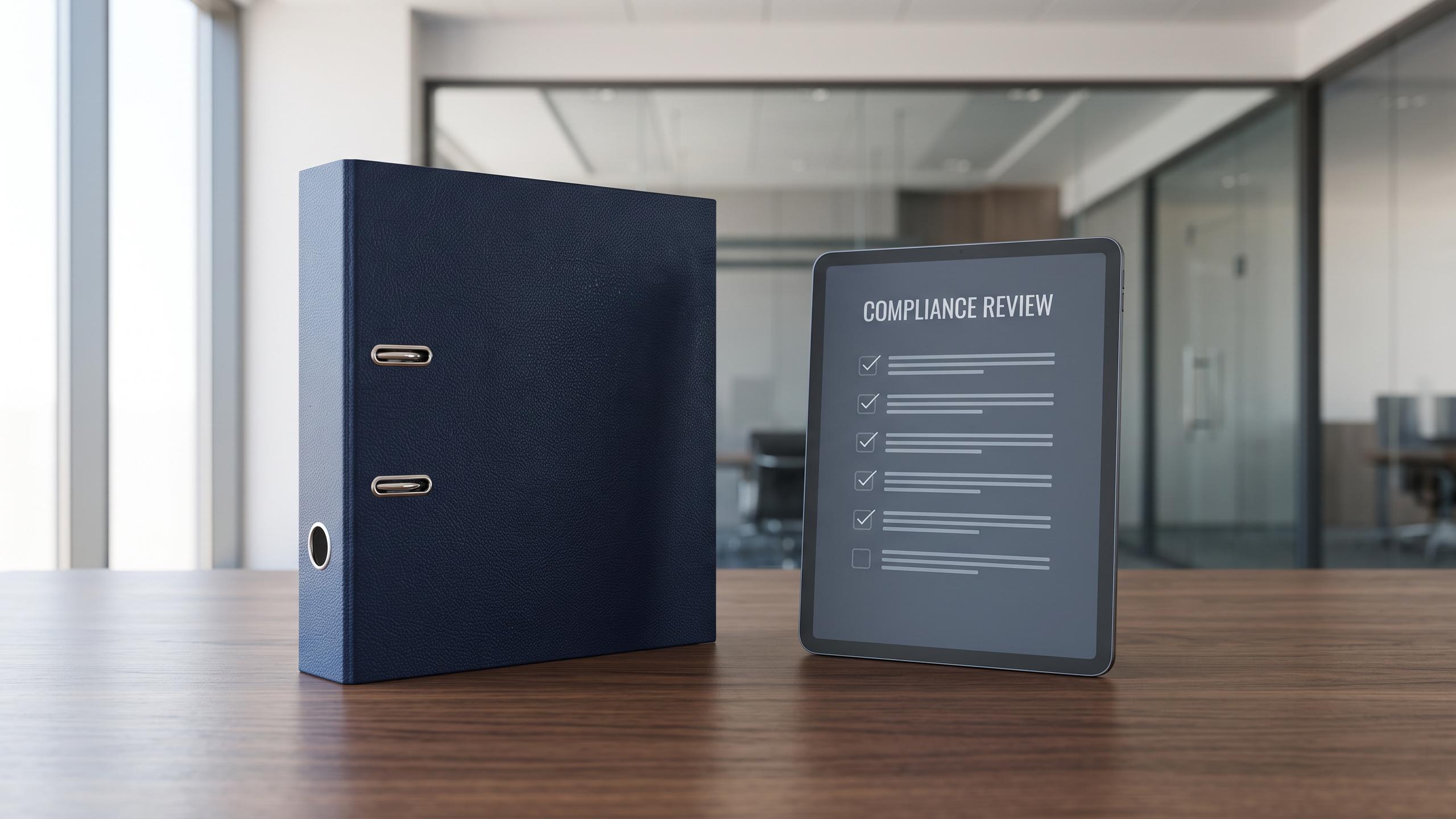
and the Fair Labor Standards Act (FLSA). The U.S. Equal Employment Opportunity Commission (EEOC) emphasizes the need for updated anti-harassment policies that explicitly cover remote harassment, including inappropriate messages or virtual backgrounds. Employers should also provide virtual, interactive training on harassment prevention and establish effective virtual reporting mechanisms. Regarding the ACA, applicable large employers (ALEs) must be aware of changes for 2027, including an increased affordability percentage for health coverage (10.22% of household income) and higher pay-or-play penalty amounts. For FLSA tip regulations, employers must provide written notice to tipped employees, ensure proper tip pool structures, treat service charges as wages, accurately track tipped and non-tipped duties, and maintain meticulous records to avoid costly violations.
Why It's Important?
These HR compliance updates are critical for U.S. employers to avoid significant legal penalties, financial liabilities, and reputational damage. Non-compliance with anti-harassment laws can lead to lawsuits and a toxic work environment, especially as remote work blurs the lines between professional and personal spaces. ACA changes directly impact employer healthcare costs and potential penalties, requiring careful review of health coverage offerings. Violations of FLSA tip regulations can result in back wages, civil penalties, and administrative investigations, particularly in service industries. Proactive adherence to these regulations ensures fair treatment of employees, fosters a positive work culture, and protects businesses from costly litigation and regulatory scrutiny. The evolving nature of work, especially the prevalence of remote setups, necessitates continuous adaptation of HR policies and practices.
What's Next?
Employers should immediately review and update their anti-harassment policies to address remote work specifics, ensuring they are easily accessible and clearly communicated to all employees. Virtual, interactive training programs for both employees and managers on harassment prevention are recommended. For ACA compliance, ALEs must analyze the 2027 changes to affordability percentages and penalty amounts to adjust their health coverage strategies accordingly. Regarding FLSA tip regulations, businesses with tipped employees should implement best practices, including providing written notices, structuring tip pools correctly, accurately tracking duties, and conducting internal audits. Regular training for managers and supervisors on all these compliance areas is essential. Employers should also consult legal counsel to ensure their policies comply with federal, state, and local laws, as requirements can vary significantly by jurisdiction.
Beyond the Headlines
The continuous evolution of HR compliance reflects broader societal shifts, including the increasing demand for workplace equity, transparency, and employee well-being. The focus on remote work harassment highlights the ethical responsibility of employers to extend safe work environments beyond physical offices. The detailed regulations around tipped employees underscore the ongoing effort to protect vulnerable workers and ensure fair compensation. These compliance requirements are not just legal obligations but also drivers of cultural change within organizations, promoting greater accountability and ethical conduct. Long-term, these updates contribute to a more standardized and equitable employment landscape, influencing how businesses attract, retain, and manage their workforce in an increasingly complex and interconnected world.