



What's Happening?
Commonwealth Fusion Systems (CFS), a privately held energy technology company based in Devens, Massachusetts, is actively recruiting for a Senior Field Mechanical Engineer. This role is crucial for the
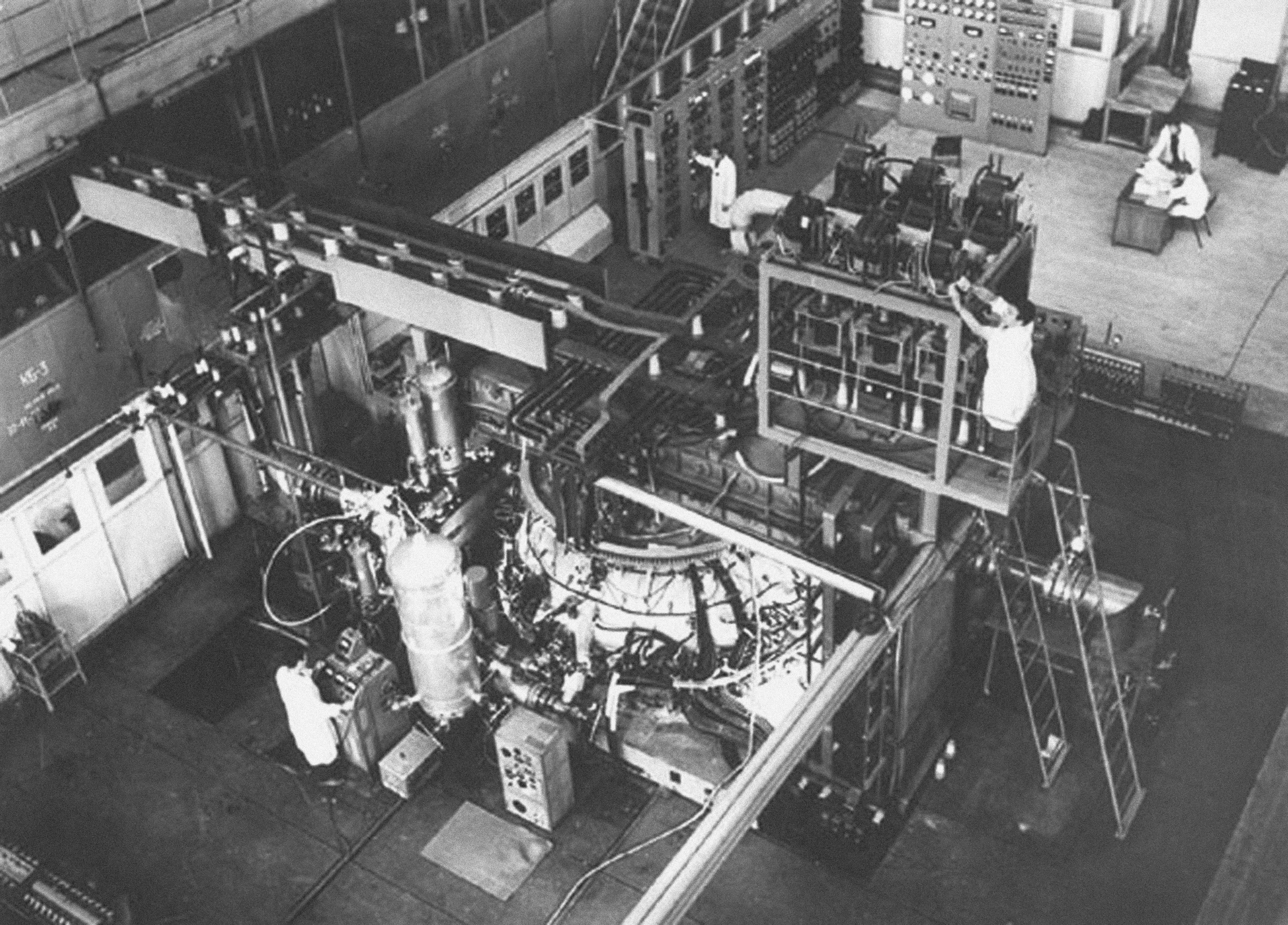
assembly of the SPARC tokamak, a net energy fusion device currently under construction. The selected engineer will be responsible for managing, overseeing, and problem-solving complex workstations within the SPARC assembly process. This includes guiding technicians, ensuring necessary tools are available, and collaborating with other teams like Assembly Process and Metrology. The position is a third-shift role, working on-site in the central construction hall of the CFS-2 facility, and involves hands-on operations, design feedback, and resolution of non-conformance issues. CFS, founded in 2018, has raised $4 billion in capital and employs over 1,100 people, focusing on developing commercially viable fusion power plants and high-temperature superconducting magnets.
Why It's Important?
The recruitment of a Senior Field Mechanical Engineer by Commonwealth Fusion Systems underscores the critical phase of development for fusion energy technology in the U.S. The SPARC tokamak project represents a significant step towards achieving commercially viable fusion power, which could revolutionize the energy sector by providing a clean, virtually limitless energy source. Success in this endeavor would reduce reliance on fossil fuels, enhance energy security, and contribute to climate change mitigation efforts. The role's focus on the intricate assembly of the SPARC device highlights the complex engineering challenges involved in bringing fusion technology to fruition. The company's substantial capital investment and large workforce indicate a serious commitment to advancing this technology, positioning the U.S. at the forefront of fusion research and development. The project's progress could attract further investment and foster a new industry, creating high-skilled jobs and technological advancements.
What's Next?
The immediate next step for Commonwealth Fusion Systems is to fill the Senior Field Mechanical Engineer position to ensure the smooth and efficient assembly of the SPARC tokamak. Once this role and others are filled, the company will continue its construction and assembly efforts for SPARC, aiming to demonstrate net energy gain. Following the successful operation of SPARC, CFS plans to develop the ARC fusion power plant, which is intended to be a commercially viable fusion power plant. The company will also continue its recruitment efforts for various other positions, indicating ongoing expansion and development. The progress of these projects will be closely watched by the energy industry, policymakers, and environmental groups, as successful fusion energy could significantly impact future energy policies and infrastructure development.
Beyond the Headlines
The pursuit of fusion energy by companies like Commonwealth Fusion Systems carries profound long-term implications beyond immediate energy production. The development of fusion power could fundamentally alter global geopolitics by decentralizing energy production and reducing the strategic importance of fossil fuel-rich regions. Ethically, it offers a path to address energy poverty and provide sustainable power without the long-lived radioactive waste associated with nuclear fission or the carbon emissions of fossil fuels. Legally, the regulatory frameworks for fusion energy are still nascent, and the successful deployment of devices like SPARC and ARC will necessitate the creation of new policies and international agreements to govern this advanced technology. Culturally, achieving fusion could represent a monumental scientific and engineering triumph, inspiring future generations and shifting societal perceptions of humanity's capacity to solve complex challenges. The high-temperature superconducting magnets developed by CFS also have potential applications in other fields, such as medical imaging and advanced transportation.