



What's Happening?
The Federal Motor Carrier Safety Administration (FMCSA) has identified six primary endorsements for Class A Commercial Driver's Licenses (CDL) that are necessary for operating specialized vehicles or transporting
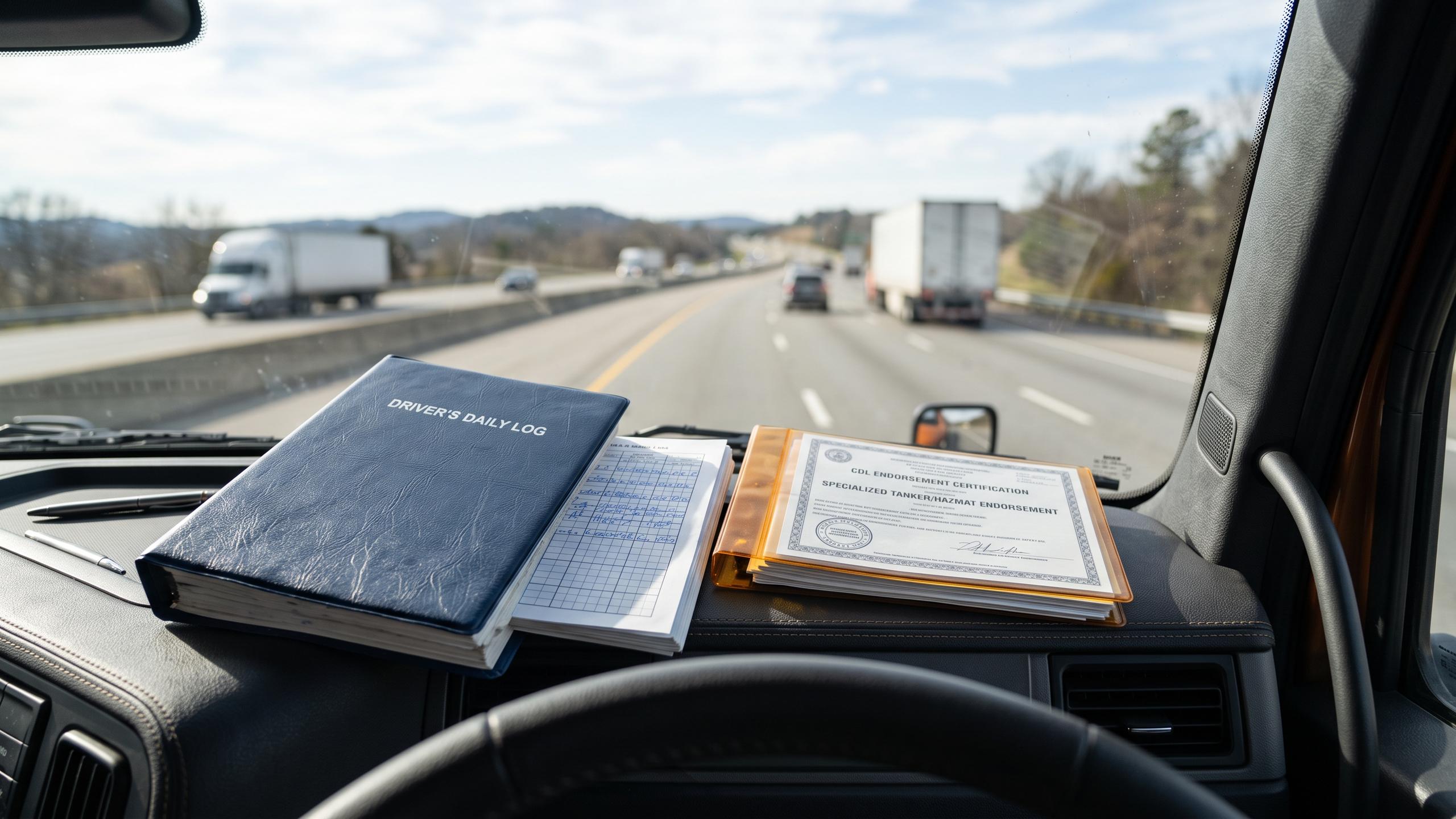
specific types of cargo. While a standard Class A CDL permits drivers to operate combination vehicles with a gross combination weight rating (GCWR) of 26,001 pounds or more (with the towed vehicle exceeding 10,000 pounds GVWR), additional endorsements are required for certain operations. These endorsements include the H endorsement for hazardous materials, the N endorsement for tank vehicles, and the X endorsement which combines both H and N. Other endorsements are the T for double/triple trailers, P for passenger vehicles, and S for school buses. Each endorsement has distinct testing requirements and grants specific operating privileges, expanding a driver's career opportunities in specialized freight or passenger transportation.
Why It's Important?
These CDL endorsements are crucial for ensuring safety and compliance within the U.S. commercial transportation industry. By requiring specialized training and testing for hazardous materials, large liquid loads, multiple trailers, and passenger transport, the FMCSA aims to mitigate risks associated with these complex operations. For drivers, obtaining relevant endorsements can significantly broaden their employment prospects and potentially increase earning potential, as specialized freight often commands higher pay. For companies, employing drivers with the correct endorsements is essential for legal operation and maintaining safety standards, avoiding penalties, and ensuring the secure transport of goods and passengers across the nation. The regulations underscore the importance of specialized skills in a diverse and demanding industry.
What's Next?
Drivers seeking to expand their career options will need to complete the required knowledge and, in some cases, skills testing through their state's driver licensing agency. First-time applicants for H, P, and S endorsements must also complete applicable entry-level driver training (ELDT). Those pursuing a hazardous materials endorsement will undergo a Transportation Security Administration (TSA) security threat assessment, including fingerprinting and a background check. The specific process, fees, and scheduling will vary by state, requiring drivers to consult their local licensing agency. The FMCSA Training Provider Registry offers details on ELDT requirements, and the TSA provides information on hazardous materials endorsement prerequisites.
Beyond the Headlines
The system of CDL endorsements reflects a broader regulatory philosophy aimed at balancing economic efficiency with public safety in the transportation sector. The detailed requirements for each endorsement highlight the inherent risks associated with different types of commercial hauling and passenger transport. This specialization not only professionalizes the driving workforce but also creates distinct niches within the trucking industry, influencing everything from vehicle design to logistics planning. The ongoing need for drivers with these specialized qualifications also points to potential labor market dynamics, where shortages in specific endorsed categories could impact supply chains or public services, underscoring the critical role these regulations play in the national infrastructure.