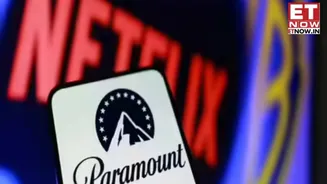










Netflix has pushed back strongly against Paramount Skydance’s aggressive bid for Warner Bros. Discovery (WBD), with co-CEO Greg Peters calling the proposal
unrealistic unless it is propped up by massive outside funding from Oracle founder Larry Ellison. Speaking to the Financial Times, Peters dismissed Paramount’s reported Rs 108 billion hostile offer, saying it “doesn’t pass the sniff test.” According to him, the deal depends heavily on debt and external leverage, making it far riskier than it appears on paper. Peters contrasted that with Netflix’s revised Rs 82.7 billion all-cash proposal, which he described as financially cleaner and more dependable. “That extra leverage Paramount would need is pretty crazy,” Peters said, adding that a stable capital structure matters more than flashy headline numbers when it comes to long-term media consolidation.
Shareholder mood favours Netflix
After WBD’s board turned down Paramount’s bid, the company reportedly took its offer straight to shareholders. However, early regulatory filings suggest Paramount has managed to secure only around seven percent of WBD shares so far — far below what is needed to gain control.Market watchers say this weak response reflects investor caution toward debt-heavy takeovers, especially in an industry already under pressure from rising content costs and uneven subscriber growth. By contrast, Netflix’s cash-backed approach is being viewed as safer, particularly for shareholders worried about dilution and long-term balance-sheet stress.
Hollywood shake-up and regulatory watch
If Netflix succeeds in merging with Warner Bros. Discovery, the deal would dramatically reshape Hollywood’s power structure. It would bring together iconic franchises like Game of Thrones and Harry Potter with Netflix hits such as Stranger Things and Squid Game under one roof.That scale has triggered anxiety among filmmakers, unions and cinema owners, who fear Netflix’s growing influence could weaken traditional theatrical releases. Addressing those concerns, Peters said Netflix would continue to respect Warner Bros.’ established forty-five-day theatrical window before films move to streaming.
At the same time, regulators in the United States and Europe are expected to examine the deal closely due to its impact on competition and consumer choice.
Peters also argued that Netflix is far from monopolistic. He pointed out that the company competes not just with studios, but also with global platforms like YouTube, Amazon and Apple. In most regions, Netflix still accounts for less than ten percent of total television viewing hours, highlighting how fragmented the entertainment market remains.