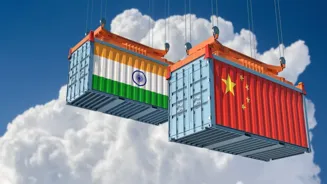

Notable names like JSW Group, Adani Group and others have been pursuing deals with Chinese firms in sectors such are electric vehicle batteries and other cost-efficient areas, the report said.
However, the deal-makers are going the extra mile to keep these talks under wraps to avoid any public pushback, given China’s reluctance to share technology with rivals and the Indian government’s stance of avoiding large investments from Chinese firms, the article said, citing sources.
In June, business tycoon Gautam Adani of Adani Group met with executives from Contemporary Amperex Technology, the world’s biggest battery maker, and also held a meeting with BYD. The conglomerate, though, has denied any plans of a tie-up with BYD.
Meanwhile, JSW’s Sajjan Jindal has already inked a deal for sourcing technology and components from Chery Automobile Co. for its upcoming new-energy vehicles.
Indian conglomerates venturing into clean mobility and battery production space, with little technical know-how or exposure, make them “highly dependent on China”, Ajay Srivastava, founder of the Global Trade Research Initiative, told Bloomberg.
These hush-hush deals could eventually pave the way for improved bilateral ties. A sign of this is the
Improving ties, though a welcome change, the technology dependence on Chinese firms could backfire too, the report said, citing recent export curbs by China on rare earth magnets that choked the automobile industry.
Also read: