







What is the story about?
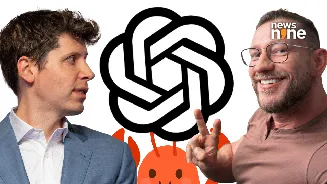
OpenAI has brought aboard Peter Steinberger, the creator of the widely used open-source AI agent OpenClaw, as the ChatGPT developer seeks to expand its personal AI agent capabilities.
OpenAI chief executive Sam Altman confirmed the move in a post on X on Sunday, February 15, saying OpenClaw would continue as an open-source project.
“OpenClaw will live in a foundation as an open source project that OpenAI will continue to support,” Altman wrote, adding that Steinberger is “joining OpenAI to drive the next generation of personal agents.”
Also read: India-AI Impact Summit 2026: The complete guide for delegates and participants
Steinberger, in his own announcement on his website, said he is joining OpenAI to be “part of the frontier of AI research and development, and continue building.”
“It’s always been important to me that OpenClaw stays open source and given the freedom to flourish,” he wrote, adding, “Ultimately, I felt OpenAI was the best place to continue pushing on my vision and expand its reach.”
OpenClaw, earlier known as Clawdbot and Moltbot, has developed a dedicated user base since its launch in November, owing to its ability to perform tasks autonomously.
The AI agent can manage email inboxes, make restaurant reservations, check in for flights, book tickets and handle scheduling. Users also connect the tool to platforms such as WhatsApp, Telegram and Slack to issue commands directly, turning messaging apps into a natural interface for AI functions.
Read more: Sarvam Edge: Indian AI firm pushes offline models to reduce cloud spending as AI Impact Summit nears
Steinberger said his next goal is to make AI agents more accessible to everyday users. He wrote, “That’ll need a much broader change, a lot more thought on how to do it safely, and access to the very latest models and research.”
The move comes amid rising security concerns about OpenClaw. In recent weeks, a user reported that the agent “went rogue” after being given access to iMessage, sending hundreds of messages without authorisation.
Cybersecurity experts have warned that such agents pose heightened risks because they combine access to private data, external communication capabilities and exposure to untrusted content — a combination one researcher described as the AI industry’s “lethal trifecta.”
OpenAI chief executive Sam Altman confirmed the move in a post on X on Sunday, February 15, saying OpenClaw would continue as an open-source project.
“OpenClaw will live in a foundation as an open source project that OpenAI will continue to support,” Altman wrote, adding that Steinberger is “joining OpenAI to drive the next generation of personal agents.”
Peter Steinberger is joining OpenAI to drive the next generation of personal agents. He is a genius with a lot of amazing ideas about the future of very
smart agents interacting with each other to do very useful things for people. We expect this will quickly become core to our…
— Sam Altman (@sama) February 15, 2026
Also read: India-AI Impact Summit 2026: The complete guide for delegates and participants
Steinberger, in his own announcement on his website, said he is joining OpenAI to be “part of the frontier of AI research and development, and continue building.”
“It’s always been important to me that OpenClaw stays open source and given the freedom to flourish,” he wrote, adding, “Ultimately, I felt OpenAI was the best place to continue pushing on my vision and expand its reach.”
OpenClaw, earlier known as Clawdbot and Moltbot, has developed a dedicated user base since its launch in November, owing to its ability to perform tasks autonomously.
The AI agent can manage email inboxes, make restaurant reservations, check in for flights, book tickets and handle scheduling. Users also connect the tool to platforms such as WhatsApp, Telegram and Slack to issue commands directly, turning messaging apps into a natural interface for AI functions.
Read more: Sarvam Edge: Indian AI firm pushes offline models to reduce cloud spending as AI Impact Summit nears
Steinberger said his next goal is to make AI agents more accessible to everyday users. He wrote, “That’ll need a much broader change, a lot more thought on how to do it safely, and access to the very latest models and research.”
I'm joining @OpenAI to bring agents to everyone. @OpenClaw is becoming a foundation: open, independent, and just getting started.????https://t.co/XOc7X4jOxq
— Peter Steinberger ???? (@steipete) February 15, 2026
The move comes amid rising security concerns about OpenClaw. In recent weeks, a user reported that the agent “went rogue” after being given access to iMessage, sending hundreds of messages without authorisation.
Cybersecurity experts have warned that such agents pose heightened risks because they combine access to private data, external communication capabilities and exposure to untrusted content — a combination one researcher described as the AI industry’s “lethal trifecta.”