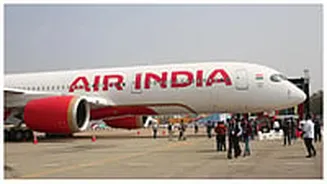

Jet fuel or ATF demand had been consistently rising for the past two years as India’s aviation sector rebounded from the lows of the Covid pandemic-induced disruptions. But this trend changed when IndiGo saw mass flight cancellations in December as India’s largest airline struggled with new pilot duty-time rules, crew shortages, and winter weather disruptions like dense fog at major airports.
IndiGo cancelled almost 5,000 flights – over 1,600 out of about 2,300 daily flights at the peak. Operations stabilised over the weekend.
ATF sales during December 1 to 15 dropped to 3,31,400 tonnes from 3,45,400 tonnes in the same period a year back, the data showed. Month-on-month, the sales were down 7.2 per cent.
Jet was an outlier in the fuel basket, with other major fuels such as petrol, diesel, and LPG posting robust growth.
India’s diesel consumption – the most consumed fuel in the country, accounting for almost 40 per cent of the fuel consumption basket – rose by nearly 5 per cent to 3.3 million tonnes during December 1-15. Month-on-month sales were, however, down 5.5 per cent as festive demand wore off.
Compared to 3.16 million tonnes of diesel consumption during December 1-15, 2023, the demand for India’s most used fuel was up 4.4 per cent. It was up 15.2 per cent, when compared to 2.87 million tonnes sales in the first half of December 2022.
Petrol consumption in the first fortnight of December was up 7.7 per cent to 1.33 million tonnes. Compared to December 1-15, 2023, petrol sales were up 8.4 per cent and 24.7 per cent in relation to 1.06 million tonnes of sales in the first half of December 2022. Month-on-month consumption was down 5.1 per cent.
LPG sales were up 15.1 per cent at 1.55 million tonnes in December 1-15, as domestic cooking needs continued to fuel growth.
One of the primary reasons for the surge is household demand for the fuel.
Month-on-month, LPG demand was up 4.4 per cent when compared to 1.49 million tonnes sold in the first half of November.
India added 25 lakh new homes to the subsidised LPG supply scheme, PMUY, lifting the number of households covered to 10.58 crore from 10.33 crore.