








What is the story about?
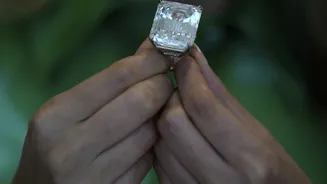
Surat, India’s diamond capital, is witnessing one of its sharpest slowdowns in years as US tariffs on Indian diamonds ripple through the industry, triggering job losses, factory shutdowns and a collapse in worker incomes.
The human cost of the trade disruption is visible on the ground. Chotu Kumar, a 21-year-old diamond worker from Kanpur, came to Surat as a teenager and earned up to ₹28,000 a month sorting diamonds. Since August, work has dried up. Attempts to switch to lab-grown diamonds have brought little relief, with earnings plunging to just ₹13–14 per piece—barely enough to cover basic living costs.
Stories like Chotu’s are becoming increasingly common across Surat’s Katargam region, where diamond cutting and polishing units are concentrated.
Exports to the US slump sharply
The root of the crisis lies in the sharp fall in exports to the United States, traditionally India’s largest market for cut and polished diamonds.
According to government data, India’s diamond exports to the US stood at $5.93 billion in 2023 and declined to $4.88 billion in 2024. The slide has accelerated in 2025, with exports falling to just $2.42 billion as of September—less than half the level seen two years ago.
Industry experts attribute the decline primarily to steep tariffs imposed by the US, which have made Indian diamonds significantly less competitive in the American market. With orders slowing, inventories piling up and cash flows under pressure, manufacturers have been forced to scale back operations.
Job losses mount in Surat
The impact has been swift and severe in Surat, which processes nearly 90% of the world’s rough diamonds.
Industry estimates suggest that more than 1.5 lakh diamond workers in the city have lost their jobs since the tariffs were imposed. Many others remain employed but are working fewer days or at sharply reduced wages.
“About 15–20% of small diamond factories are now shut,” said Hasmukh Kakadiya, Managing Director of Kakadiam LLP. “Workers from these units are unable to find jobs because no one is hiring. Roughly 10–15% of workers have already become jobless, and it is difficult to say when the situation will improve.”
Small and mid-sized units, which operate on thin margins, have been the worst hit, industry executives say.
Also Read: India’s exports stay resilient, but industry flags 2026 risks from US tariffs | Q&A
Can lab-grown diamonds fill the gap?
Some exporters have tried to cushion the blow by pivoting towards lab-grown diamonds and exploring new export destinations beyond the US. While this strategy has helped keep some factories running, it has not been enough to offset the broader downturn.
Lab-grown diamonds typically carry far lower margins than natural stones, squeezing profitability across the value chain. That pressure ultimately filters down to workers, who earn significantly less per piece compared to traditional diamond processing.
For workers like Chotu, the shift has meant accepting much lower pay—or waiting indefinitely for regular work to resume.
What comes next for the industry?
Exporters and industry bodies are now looking to the government for relief, including diplomatic engagement with the US and policy support to stabilise the sector.
There is growing hope that progress on an India–US trade deal could ease tariff pressures and revive demand from the American market. Until then, however, the outlook remains uncertain.
The human cost of the trade disruption is visible on the ground. Chotu Kumar, a 21-year-old diamond worker from Kanpur, came to Surat as a teenager and earned up to ₹28,000 a month sorting diamonds. Since August, work has dried up. Attempts to switch to lab-grown diamonds have brought little relief, with earnings plunging to just ₹13–14 per piece—barely enough to cover basic living costs.
Stories like Chotu’s are becoming increasingly common across Surat’s Katargam region, where diamond cutting and polishing units are concentrated.
Exports to the US slump sharply
The root of the crisis lies in the sharp fall in exports to the United States, traditionally India’s largest market for cut and polished diamonds.
According to government data, India’s diamond exports to the US stood at $5.93 billion in 2023 and declined to $4.88 billion in 2024. The slide has accelerated in 2025, with exports falling to just $2.42 billion as of September—less than half the level seen two years ago.
Industry experts attribute the decline primarily to steep tariffs imposed by the US, which have made Indian diamonds significantly less competitive in the American market. With orders slowing, inventories piling up and cash flows under pressure, manufacturers have been forced to scale back operations.
Job losses mount in Surat
The impact has been swift and severe in Surat, which processes nearly 90% of the world’s rough diamonds.
Industry estimates suggest that more than 1.5 lakh diamond workers in the city have lost their jobs since the tariffs were imposed. Many others remain employed but are working fewer days or at sharply reduced wages.
“About 15–20% of small diamond factories are now shut,” said Hasmukh Kakadiya, Managing Director of Kakadiam LLP. “Workers from these units are unable to find jobs because no one is hiring. Roughly 10–15% of workers have already become jobless, and it is difficult to say when the situation will improve.”
Small and mid-sized units, which operate on thin margins, have been the worst hit, industry executives say.
Also Read: India’s exports stay resilient, but industry flags 2026 risks from US tariffs | Q&A
Can lab-grown diamonds fill the gap?
Some exporters have tried to cushion the blow by pivoting towards lab-grown diamonds and exploring new export destinations beyond the US. While this strategy has helped keep some factories running, it has not been enough to offset the broader downturn.
Lab-grown diamonds typically carry far lower margins than natural stones, squeezing profitability across the value chain. That pressure ultimately filters down to workers, who earn significantly less per piece compared to traditional diamond processing.
For workers like Chotu, the shift has meant accepting much lower pay—or waiting indefinitely for regular work to resume.
What comes next for the industry?
Exporters and industry bodies are now looking to the government for relief, including diplomatic engagement with the US and policy support to stabilise the sector.
There is growing hope that progress on an India–US trade deal could ease tariff pressures and revive demand from the American market. Until then, however, the outlook remains uncertain.