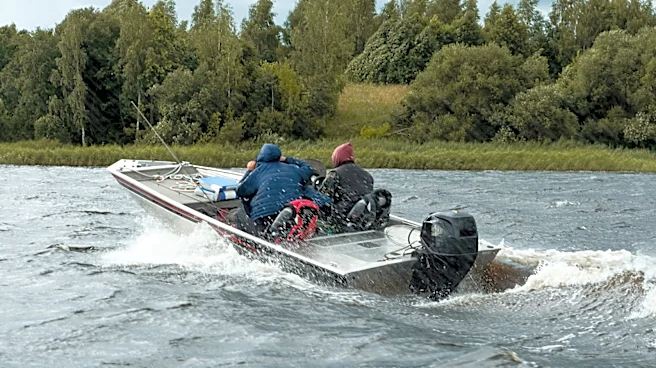

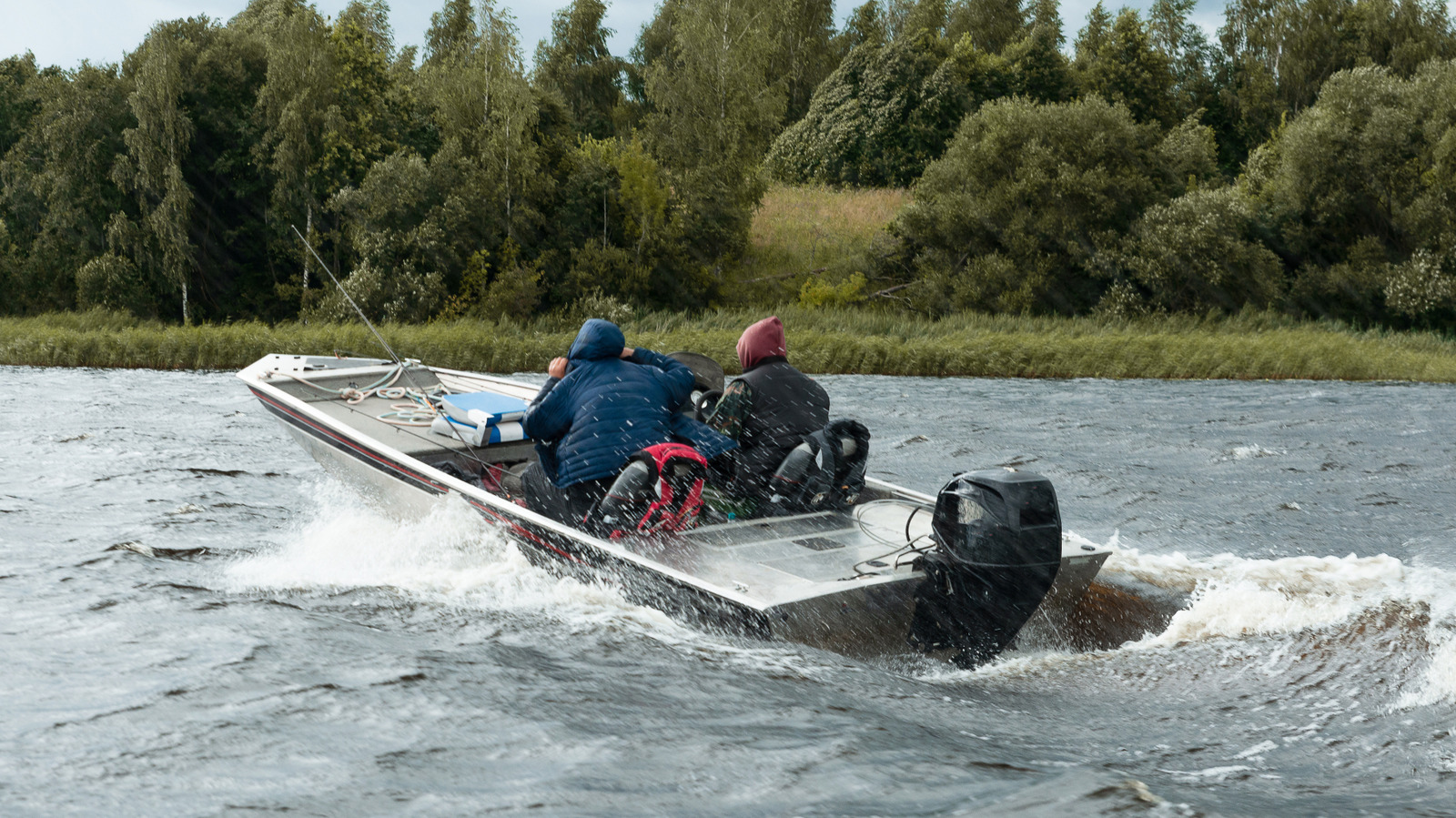
For some boaters, selecting an outboard engine is all about the power . That's especially true for speedboats, as the whole point is to tear across the water at high speeds on a beautiful day. But everything
can change when winter hits, as the engine's condition can become more of a concern than ever before. When it comes to how cold is considered too cold for a boat engine, the answer can depend on the model.
For example, some manufacturers design outboard engines that can handle extremely cold temperatures. That includes Mercury Marine, an outboard motor company that builds engines capable of handling a temperature of 5 degrees Fahrenheit. However, other manufacturers such as Honda and Yamaha don't typically post specific cold temperature ratings for their outboard engines. This means that if you plan to go out on a cold day, you should know what your engine model's temperature rating is beforehand. Check your owner's manual or contact a local dealer for more information.
The reason it's not a one-size-fits-all temperature rating is because outboard motors are not all built the same. As an example, raw-water cooling systems take water from the body of water that your boat is operating in and pump it throughout the engine. In contrast, a closed-loop coolant system uses an enclosed setup of water and antifreeze. Because of their design, boat engines may respond differently to freezing cold temperatures.
Read more: Every Class Of Battleship The U.S. Navy Operated In WWI And WWII
Tips for winterizing your boat engine
As the weather gets colder and your boat trips become more sporadic, remember that your engine could be affected. Changing weather patterns can cause condensation to occur in the engine. The less a boat is used, the more likely the gas can break down. But adding a fuel stabilizer and replacing certain components, such as fuel-water separators, before winter hits can help keep that breakdown from happening.
If you do decide to store your boat for the winter, you should winterize the engine. Begin by emptying the system and using marine-grade engine antifreeze, depending on the setup. This is especially important for engines regularly used in saltwater because when water remains in the pumps, it can cause corrosion in the motor. The boat's lead/acid battery should also be prepped for storage, as it could freeze during the winter. Be sure to consult your owner's manual on how to properly winterize the systems for your specific model.
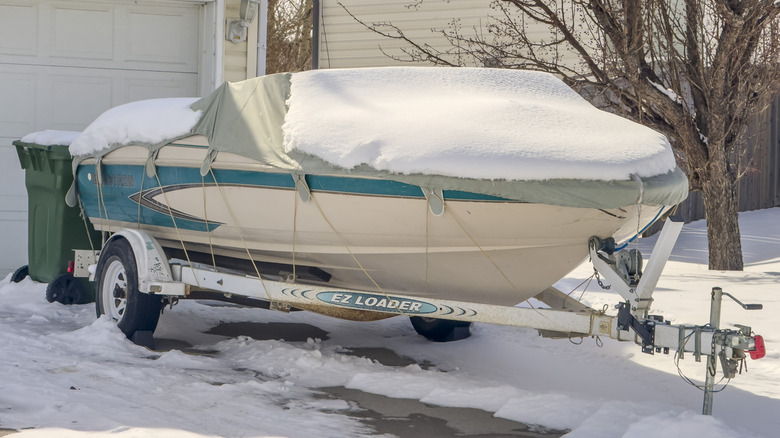
When it comes to protecting the boat as well as the engine, you should use a heavy-duty cover if the boat is being kept outside. Be sure the cover can stand up to the elements so your setup is safe from heavy snowfall. Storing your boat in the garage is a better solution, of course, as all you would need to do is take care of the engine. Just ensure that the boat is protected from anything that could do any damage while inside the garage.
Want the latest in tech and auto trends? Subscribe to our free newsletter for the latest headlines, expert guides, and how-to tips, one email at a time. You can also add us as a preferred search source on Google.
Read the original article on SlashGear.