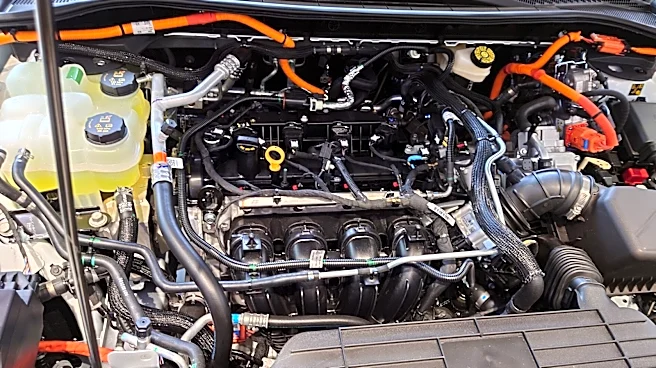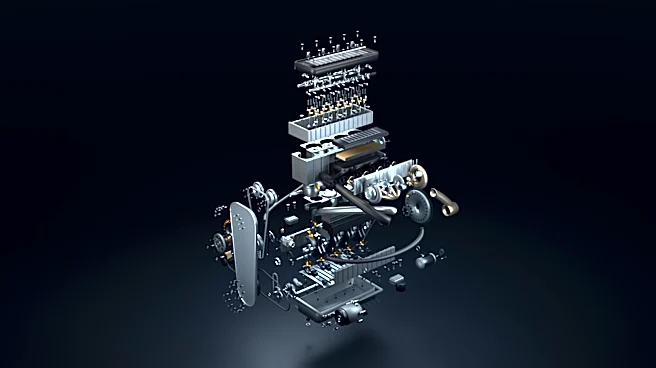







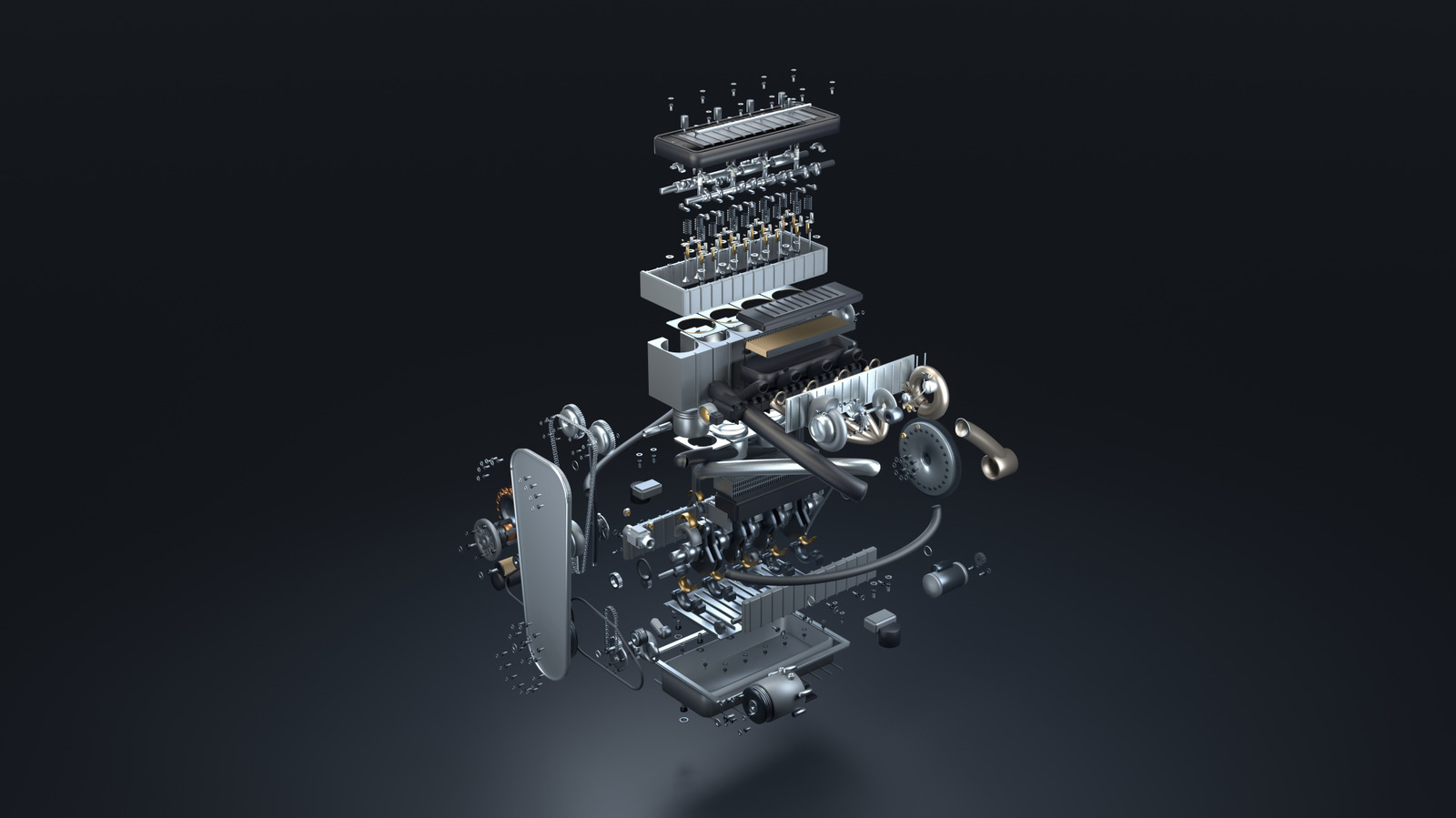
In combustion engines, the cylinders are where that combustion takes place to move the vehicle. Inside are components like an inlet valve, spark plug, and piston, and they all work together, alongside fuel, to keep the engine running optimally. Like anything mechanical, those cylinders can sometimes malfunction or fail — this is referred to as either a dead cylinder or misfiring cylinder. If and when that happens, the vehicle may experience several changes, some dangerous, which ultimately makes
it a bad idea to continue driving. But what happens if you do keep driving with it? Can a four-cylinder car run on only three cylinders?
It can run, sure, but it's not safe to do so. The only reason to continue driving with a dead cylinder is to get a vehicle to a local mechanic or repair shop, but even then it's best to have it towed instead. It will move, but with less power and control, and every minute you keep the engine running you increase the risk of damaging it more.
In a four-cylinder vehicle, losing a single cylinder will immediately reduce the engine's power and capabilities by 25%. On slow roads or back roads, performance loss might not be as much of an issue, but on the highway it could be extremely dangerous. The engine might also exhibit behaviors like strong vibrations, loud noises or constant shaking, a sudden loss of power, and stalls or shutdowns, and much, much more. It's bad news all around, so if you absolutely have to drive, it should be for very short distances only.
Read more: 5 Drawbacks Of Using All-Weather Tires
How does a dead cylinder happen and what are the signs?
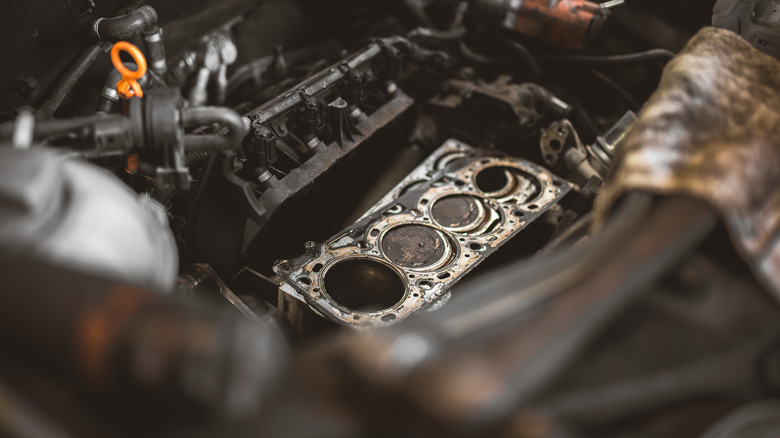
Because a cylinder is actually made up of several components and is such a core element of an operational engine, a dead or failing one can be quite complex to diagnose. The cylinder itself might not be working, but there's rarely a clear answer as to why. Sometimes, it can even malfunction or misfire due to other parts of the engine, like the fuel injector — which could be clogged — or low fuel pressure from blocked filters or failing pumps. Misfires are tied to a long list of potential problems, many of which are closely related to a failing or dead cylinder. A cylinder might also stop working because of head gasket issues, vacuum leaks, or even faulty or worn spark plugs.
As for what can happen, the symptoms and side effects are just as varied. The biggest indicator is the vehicle's handling, which you'll almost always be able to notice shortly after a cylinder misfires. The car could fail to start, if it does run it could use up lots more fuel, the engine might make loud noises, vibrate, or cause a direct loss of control. You might also see thick smoke or check engine lights and warnings on the dashboard.
If you recognize these issues, it's important to get your vehicle to an experienced mechanic or repair center. They have access to the knowledge and tools it will take to diagnose the problem, especially since cylinder failures are connected to so many other engine components and systems.
Driving with a dead cylinder can hurt the engine more
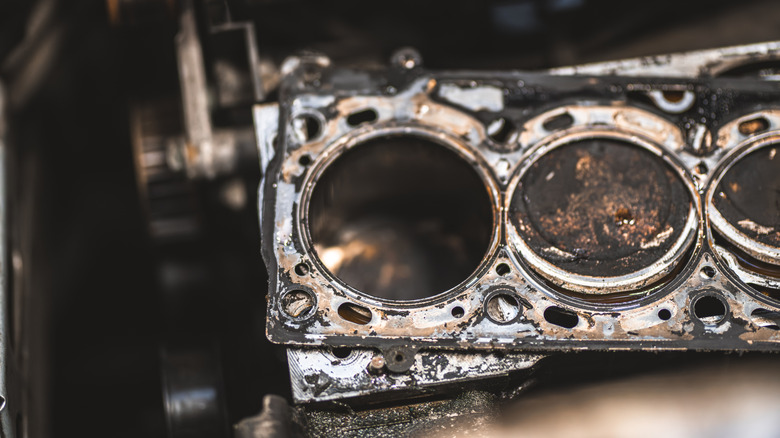
Driving with fewer cylinders can damage the engine further and create more costly repairs over the long-term. The engine is running below its normal performance and operating levels when it's missing a cylinder. This causes everything else to work less efficiently. Never mind the fact that inline-four cylinders are designed to work and operate in sync.
The poor performance and rough handling can catalyze internal wear through oil diluted by unburned fuel, poor lubrication, or added stress, and the vibrations can also strain other parts. Not to mention, unburned fuel can enter the catalytic converter and other parts, causing potential failures.
Besides, a major benefit of four-cylinder engines is that they're lighter and more fuel-efficient than some of the other types, so they offer a good balance of fuel economy and performance. When you take away a cylinder, the engine is no longer running optimally or efficient, eliminating those benefits and increasing the risk of another hit on your wallet. The repairs could become even more costly if you continue driving and damage the engine further.
Want the latest in tech and auto trends? Subscribe to our free newsletter for the latest headlines, expert guides, and how-to tips, one email at a time. You can also add us as a preferred search source on Google.
Read the original article on SlashGear.