



We may receive a commission on purchases made from links.
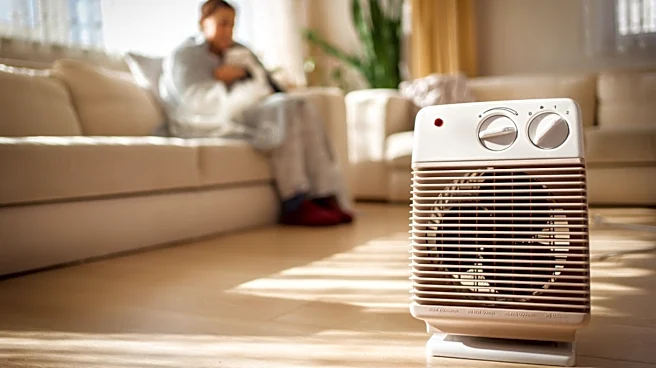
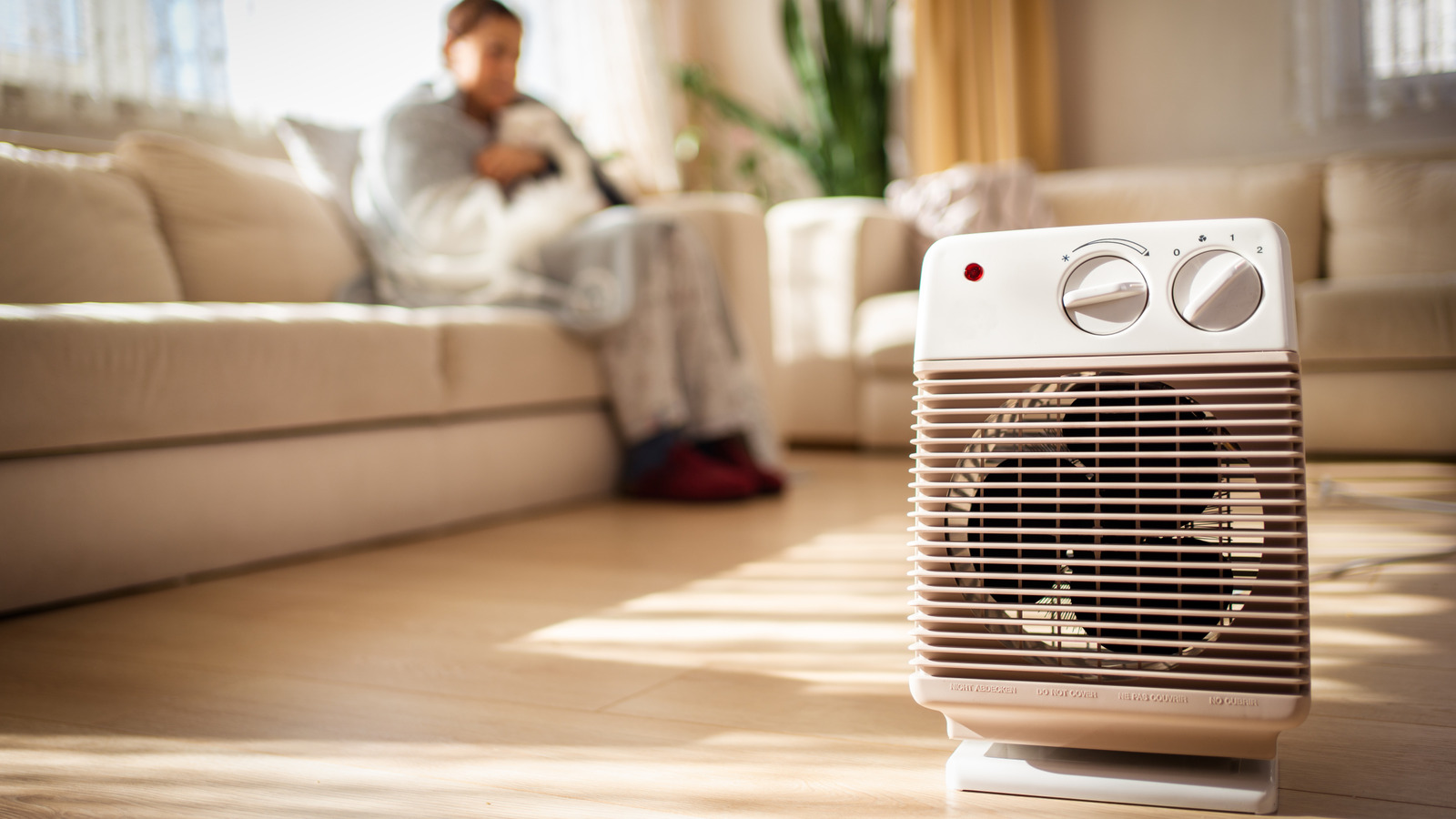
When the long warm days of summer draw to a close, many of us rely on space heaters to warm up the chilly winter evenings. However, where you place the heater matters more than you may think. If you've ever wondered whether a space heater should be placed on the floor or raised onto a table, chair, desk, or other elevated surface, there's a simple answer — most manufacturers and safety experts advise keeping it on the floor.
There are no complex
reasons as to why you shouldn't raise them above ground level; it's really just down to common sense. Placing a space heater on a flat, even floor leaves less opportunity for careless pets, children, and — of course — clumsy adults to knock it over. And, while many newer heaters include tip-over protection and automatic shut-off features, there is no point in playing with fire if you don't have to. The floor type matters too. A hard and level floor is preferable, and you should avoid placing it on carpets and rugs where possible; manufacturer advice can help guide you in the right direction.
There's good reason for following this advice too. While space heaters aren't the only home fire threat, according to the Federal Emergency Management Agency (FEMA), 3% of heating fires in residential buildings between 2017 and 2019 were attributed to portable heaters. However, those few incidents accounted for a staggering 41% of fatal residential heating fires, meaning that while it's unusual for space heaters to start a fire, when they do, it tends to be devastating. Let's look at some more actions you can take to stay on the safe side with space heaters.
Read more: 9 Celebrities Who Own A Boeing Business Jet
Space heater safety tips
The FEMA report on space heater fires concluded that human error was a factor in many incidents. While FEMA doesn't go into all the specifics of what these errors are, it did mention that the leading cause was placing them too close to combustible objects — this one error was noted as being a factor in 48% of all incidents. This is safety point number one — to minimize the risk, it's recommended that you keep your space heater at least 3 feet from anything combustible.
Plugging space heaters into extension cords, timers, or surge protectors is also something to avoid. Most manufacturers advise against this; the extra circuitry adds more points where excess heat can build up, or the circuit can overload. It's also advised that you should never leave a space heater turned on and unattended; they're also best left unplugged when not in use. On the topic of cables, another mistake to avoid is running the cable under a carpet or rug, which can increase the chances of cable damage.
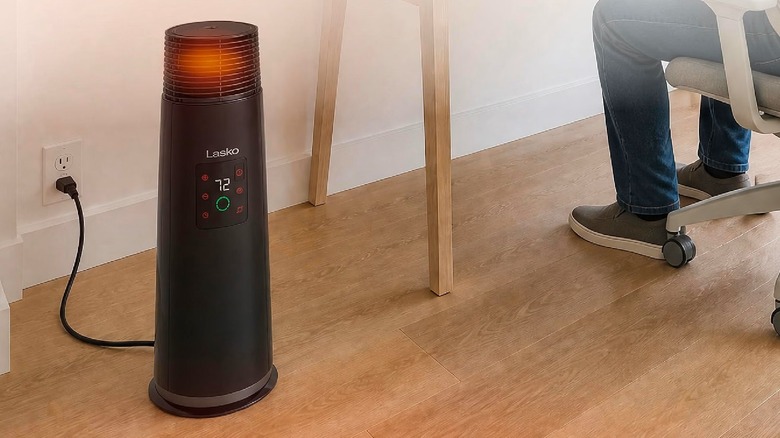
Finally, many modern space heaters are safer than older models. When shopping, look for heaters with recognized safety certifications such as ETL listed or UL listed; this ensures the model has undergone independent safety testing. For instance, the Lasko 1500W ceramic heater with remote control, which sells on Amazon for $99.98, has been ETL certified. It features overheat protection, a tip-over switch, and a cool-touch housing. While these safety tips apply to home use, there are also safety tips to know before using a space heater in the garage.
Want the latest in tech and auto trends? Subscribe to our free newsletter for the latest headlines, expert guides, and how-to tips, one email at a time. You can also add us as a preferred search source on Google.
Read the original article on SlashGear.