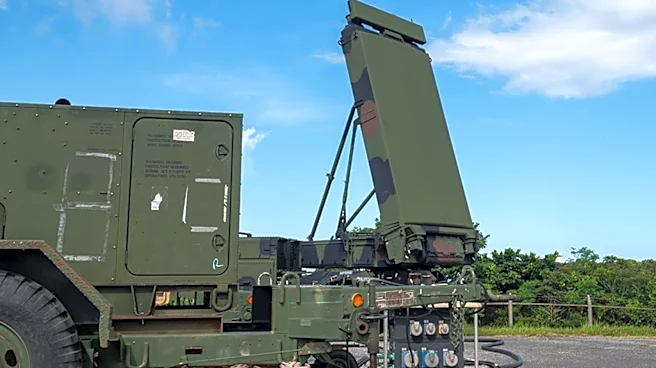






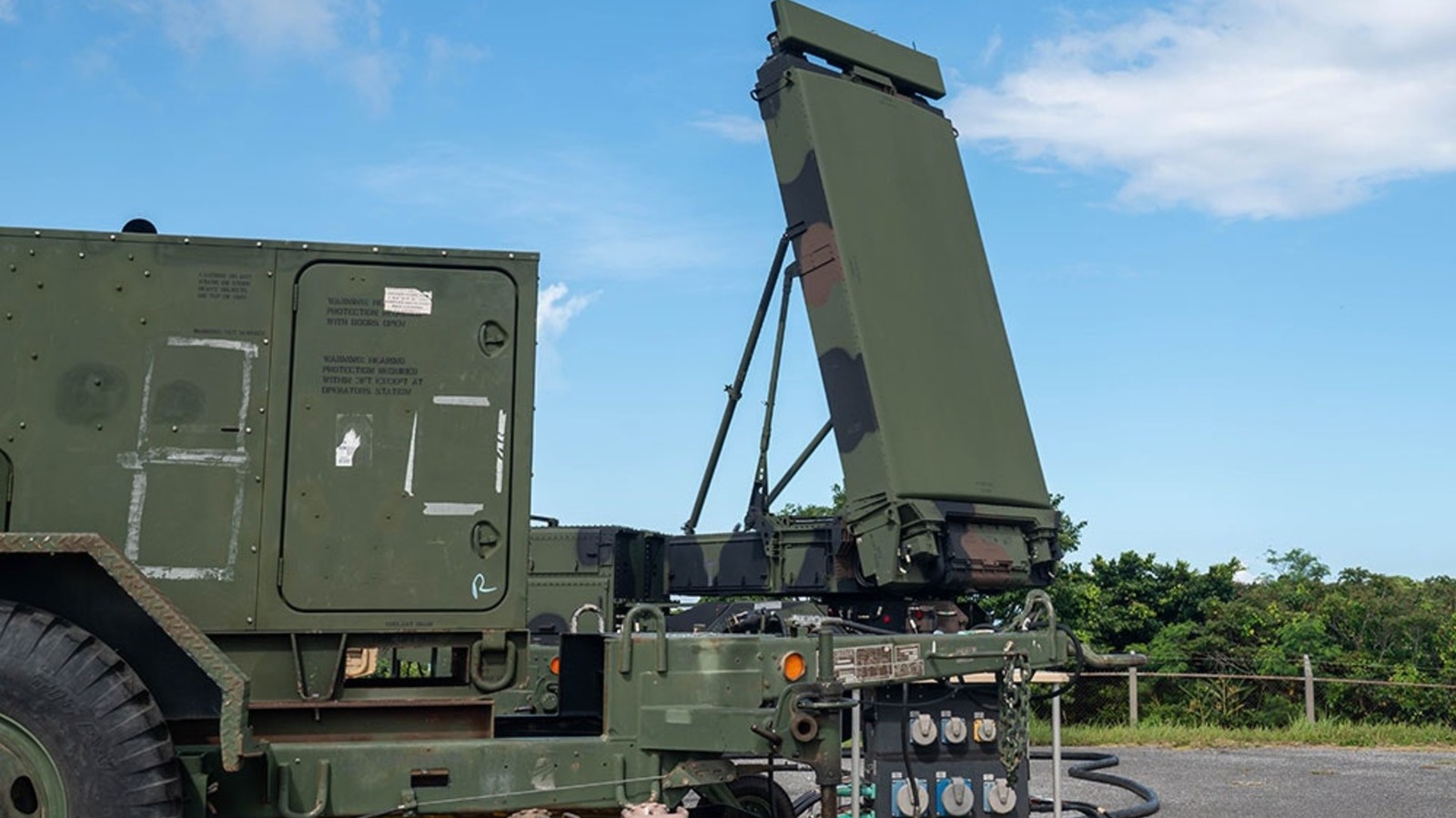
The United States Marine Corps (USMC) has been replacing its existing ground-based radar systems since March 2017, and as of October 7, 2026, it had already received 43 of the 60 systems ordered from Northrop Grumman. Most have gone straight to the USMC, while five are going to the U.S. Air Force (USAF) and one is heading to the U.S. Navy (USN) for testing. With all the hubbub surrounding the new system, which is designated the AN/TPS-80 Ground/Air Task Oriented Radar, or G/ATOR, the U.S. Army (USA)
is now looking into the new radar.
Northrop Grumman, which also produces the B-21 Raider, has been modifying its G/ATOR system for the past five years, taking feedback from the USMC and other customers to make changes based on lessons learned in the field. Paul Weaver, the Director of Mission Systems at the company, has described Northrop Grumman as being engaged directly with customers at the headquarters level, noting that "Demand for the system in theater right now is high, and it's based on that performance. ... We're constantly making software improvements to adapt to the specific threat environment."
He went on to describe various airborne threats that G/ATOR is well-suited to identifying, whether it's uncrewed aerial systems (UASs), missiles and rockets, or crewed aircraft. G/ATOR is an incredibly robust system that significantly outperforms the USMC's previous radar systems. It's not replacing a single USMC radar — it's replacing five legacy systems, thanks to its ability to handle everything they were capable of doing, which is likely why the other branches are showing interest.
Read more: 5 Fighter Jets That Are Quicker Than The F-22
The AN/TPS-80 Ground/Air Task Oriented Radar
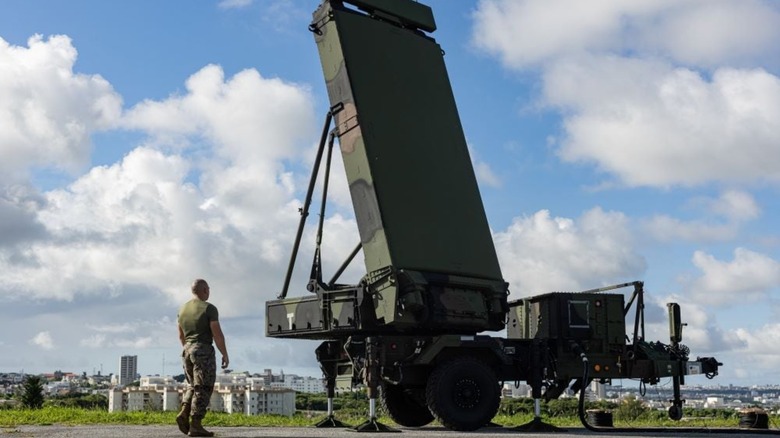
While there are plenty of excellent fighter jets with powerful radar systems, the G/ATOR is a ground-based system. A ground-based radar is used for various purposes, including air defense, air traffic control, multi-mission air defense, and counter-fire target acquisition. The USMC used five legacy systems: the AN/TPS-63 for air defense, the AN/TPS-73 for air-traffic control, the AN/MPQ-62 for close-range air defense, the AN/TPQ-46/64 for counter-fire target acquisition, and the AN-UPS-3 for target tracking.
The G/ATOR eliminates the need for all of those systems because it does it all. It's a long-range, high-performance pulse Doppler radar capable of performing air surveillance, counterfire target acquisition, and air defense. It can perform all these capabilities simultaneously, making it possible to detect, track, and target anything that flies within range, whether a fighter jet, a drone, or a missile. It can determine the launch points of rockets and indirect fires, like artillery, enabling reactive targeting.
Essentially, G/ATOR is an all-in-one system that has already proven itself in the field for the USMC and USAF. It uses the same technology as airborne Active Electronically Scanned Array (AESA) radars like the one featured on the Samsung-built Korean model of the KAI KF-16. All of these impressive technologies come together in one of the most powerful ground-based radar systems yet fielded. The USA and USN could follow the USMC and USAF with their own purchase orders for Northrop Grumman's new G/ATOR system.
Want the latest in tech and auto trends? Subscribe to our free newsletter for the latest headlines, expert guides, and how-to tips, one email at a time. You can also add us as a preferred search source on Google.
Read the original article on SlashGear.