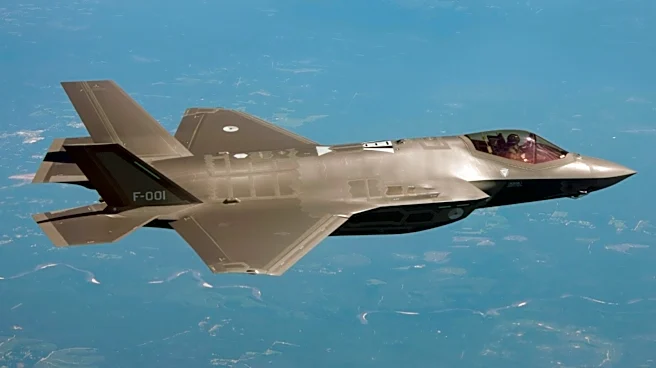







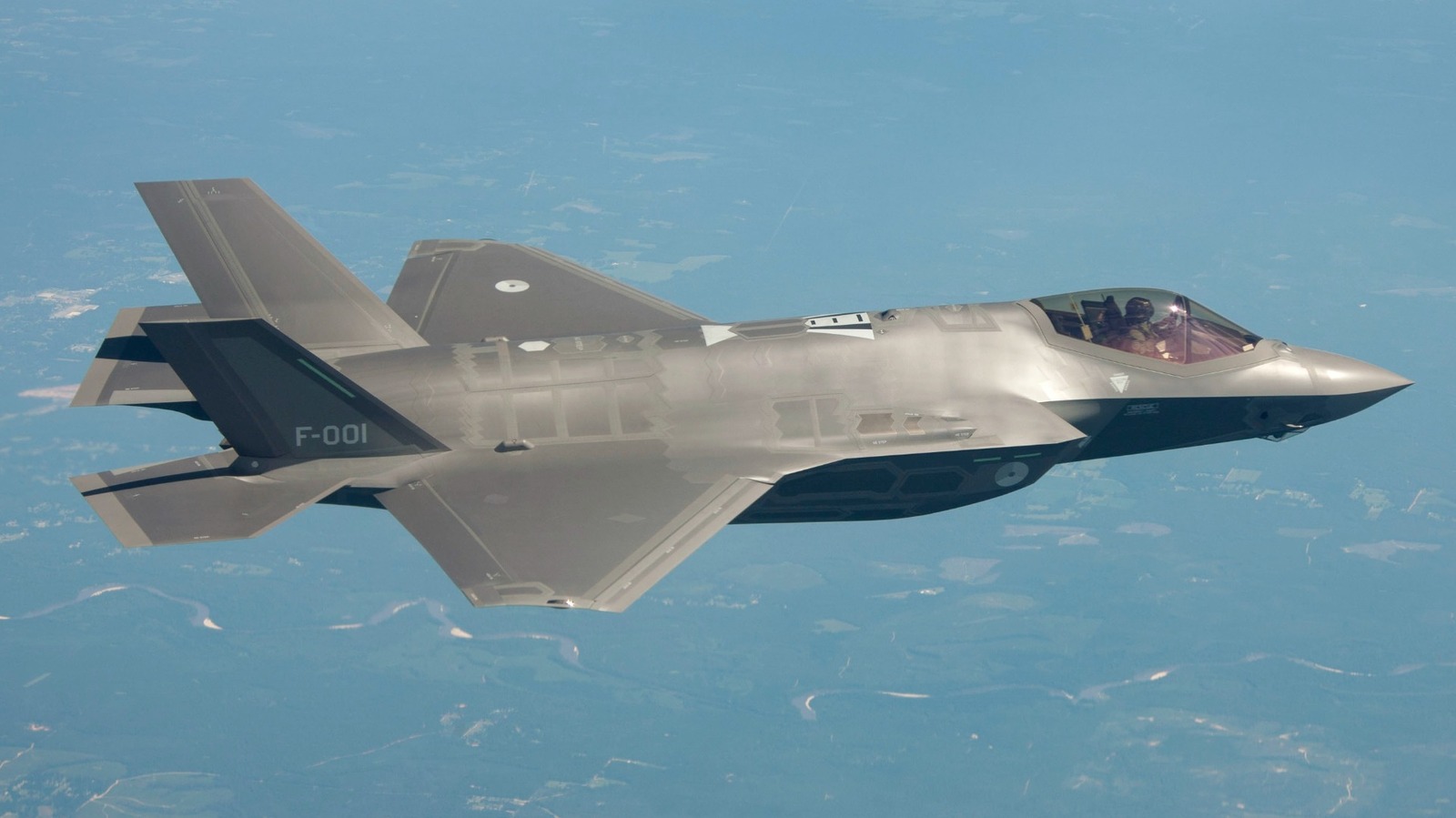
The U.S. military led the way in the 5th generation of fighter jets with the F-22 Raptor, and while fewer than 200 were built due to significant cost overruns, another aircraft soon followed. The F-35 Lightning II arrived in 2011, and over time, three F-35 variants went to different branches: The Air Force flies the F-35A, the Marine Corps operates the F-35B, and the Navy has the F-35C. As of September 2026, Lockheed Martin has produced a total of 1,387 F-35s.
That count reflects the total production
numbers for the U.S. and allied nations, and 274 are on order. While Lockheed has been working on its first 20 production lots, plans are in motion for lots 21 through 30. On October 22, 2026, the Pentagon publicized a deal with Lockheed Martin, which is the contractor that builds the F-35, to produce another 850 aircraft for domestic use. That's a significant order that guarantees a minimum acquisition of 850 new aircraft over the next decade alongside spare parts and modification kits.
To meet the production goal, Lockheed will provide the U.S. military with 156 new F-35s each year across all three variants. It's unclear how much the Pentagon is set to pay Lockheed, but the defense contractor committed $7 billion from private investments to support the ongoing F-35 program. Each F-35 historically costs between $70 million and $120 million, but the total cost could come down over time due to streamlined production and reduced costs across the contract duration.
Read more: 5 Fighter Jets That Are Quicker Than The F-22
The F-35 program continues to expand but a new fighter is on the horizon
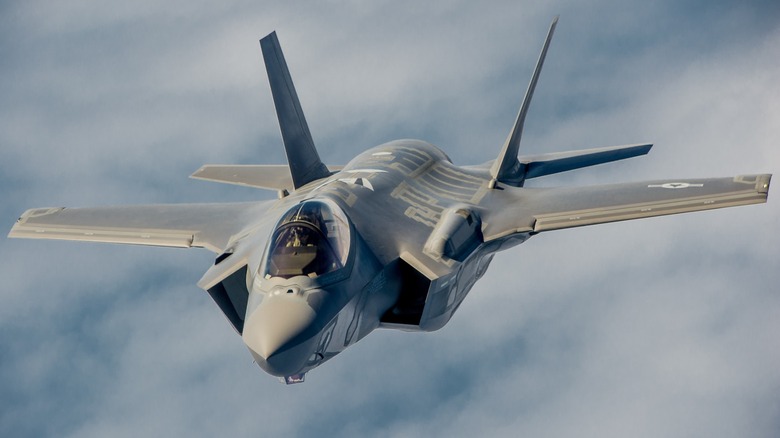
While the U.S. military continues to expand its fleet of F-35s, it's not the only aircraft on the horizon. The Air Force is working with The Boeing Company to develop the F-47, which will be the world's first 6th-generation fighter jet. Concurrently, Boeing is working with the Navy to develop the F/A-XX, a 6th-generation fighter that's set to replace the F/A-18 Super Hornet. Those aircraft are still a ways off from taking to the skies, and neither will replace the F-35, which is why the Pentagon is pushing forward with additional aircraft orders.
The announcement from the Department of War outlined the basics of the deal with Lockheed, while additional details will be ironed out in subsequent months. It's worth noting that the 2026 Midterm Elections changed the balance of power in Congress, and since that branch of government controls the budget, it's possible that this agreement could change. That could mean curtailing the order to fewer aircraft, increasing the number of planes, or nixing the deal altogether.
Regardless, one thing is clear from the Pentagon's new deal, and that's that the F-35 is here to stay. The advanced stealth aircraft has been in service for only a short while when compared to older jets like the F-15, F-16, and F/A-18. While each has been modernized, many are decades-old platforms that the F-35 may eclipse as Lockheed delivers more aircraft over the next 10 years.
Want the latest in tech and auto trends? Subscribe to our free newsletter for the latest headlines, expert guides, and how-to tips, one email at a time. You can also add us as a preferred search source on Google.
Read the original article on SlashGear.