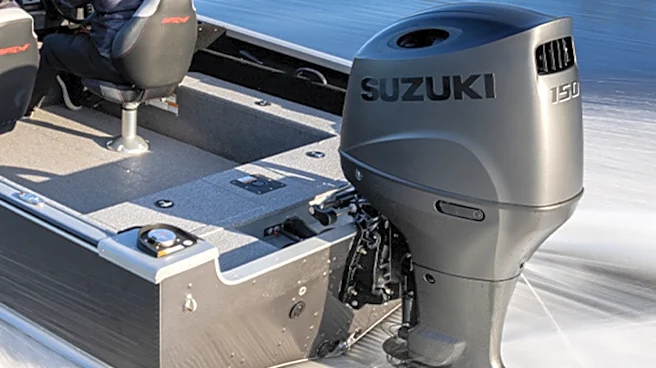








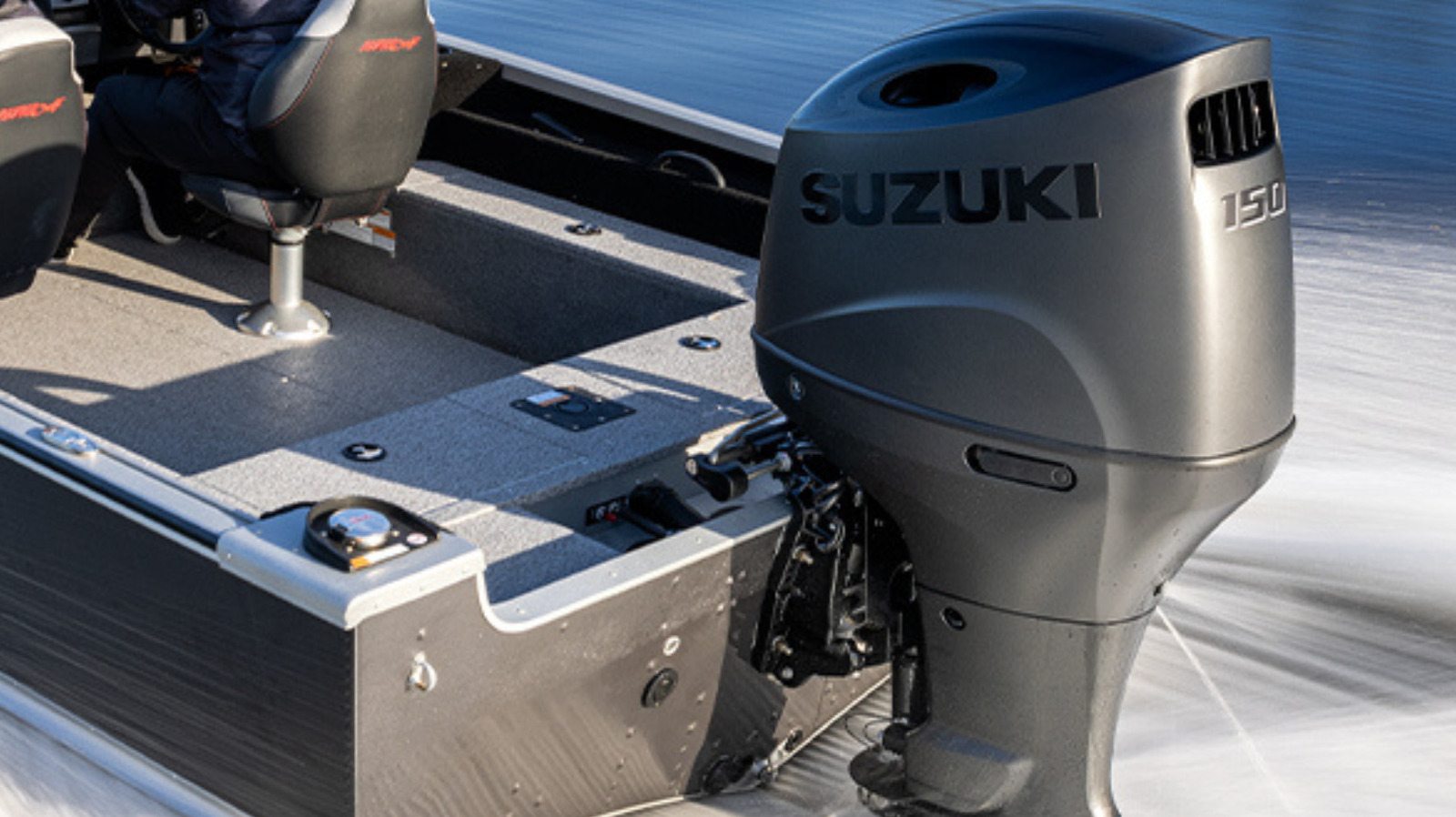
When it comes to powerful outboard boat engines, Suzuki is among the top manufacturers in the industry today. Buyers not only have a familiar brand in Suzuki, but also one with an established track record in the boating world. In terms of who's responsible for manufacturing these motors, it's actually the Suzuki Motor Corporation.
Suzuki outboard motors are manufactured at two facilities in different countries, with both supplying motors to markets worldwide. Suzuki Motor Corporation's outboard engine
factory, the Kosai Plant, is located in Japan, while the Thai Suzuki Co. Ltd. operates out of Thailand. Suzuki's Thailand facility has produced outboard motors for nearly three decades, though Thai Suzuki Co. originally manufactured motorcycles for years prior to that, going all the way back to 1968.
Suzuki's Kosai Plant is responsible for manufacturing midsize and larger four-stroke outboard motors for the company. This includes models ranging from 40 up to 350 hp. Suzuki moved outboard motor production to this location from the Toyokawa Plant in 2018. Thai Suzuki Motor Co. produces smaller outboard motors, including four-stroke models from 2 to 30 hp. The facility has also manufactured two-stroke motors from 9.9 to 40 hp. The Thai Suzuki facility began producing outboard motors in 1999.
Read more: Here's What Happened To The Cast Of American Chopper After The Show Ended
Suzuki's outboard motor evolution and technology
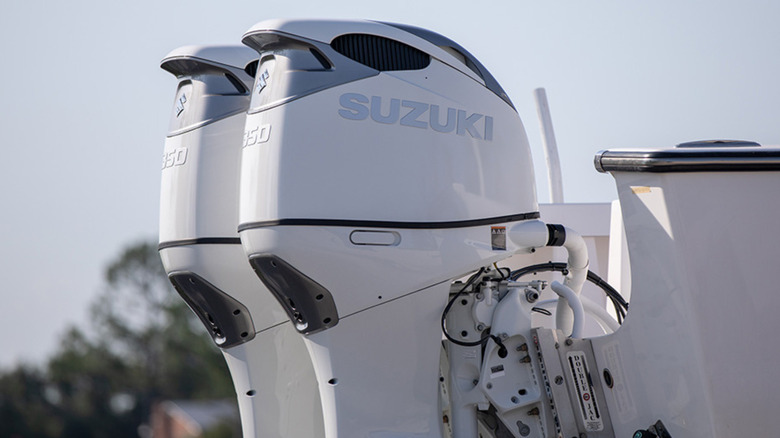
Suzuki first manufactured an outboard boat engine, the D55, in 1965. The D55 was a 5.5 hp two-stroke engine built at the company's Takatsuka facility in Japan. In the following decades, Suzuki moved beyond its initial small-engine production by adding four-stroke models in 1994. The company's outboard motor lineup didn't stop there; it eventually grew to include the 350 hp DF350A.
When it comes to the technology, Suzuki utilizes many engineering features to address different demands. For example, the DF70A has a fuel-filter sensor that alerts the operator when water is present in the fuel. The DF40A and larger models also use a timing chain with hydraulic adjustment, keeping it at the right tension. On certain larger outboard motors, Suzuki has also added features to help keep water from reaching the engine's air intake.
Suzuki has also developed a manufacturing process to better protect certain engine parts against seawater and high temperatures. This method, called Edge eCoat, treats aluminum components using an electrical process that creates a special protective layer on the surface. The company first used this process in 2024 on some versions of its DF140B motor. According to Suzuki, using Edge eCoat has cut carbon emissions related to producing the treated parts by about half.
Want the latest in tech and auto trends? Subscribe to our free newsletter for the latest headlines, expert guides, and how-to tips, one email at a time. You can also add us as a preferred search source on Google.
Read the original article on SlashGear.