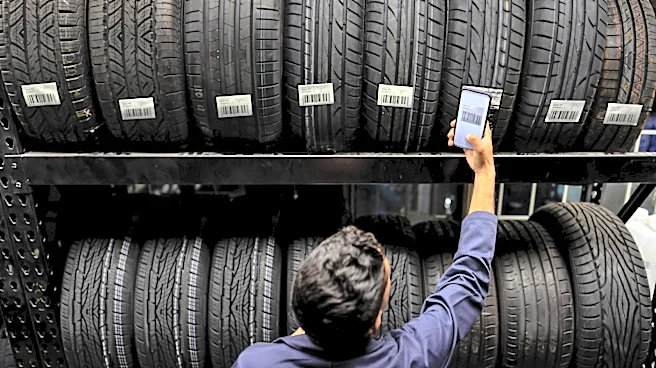








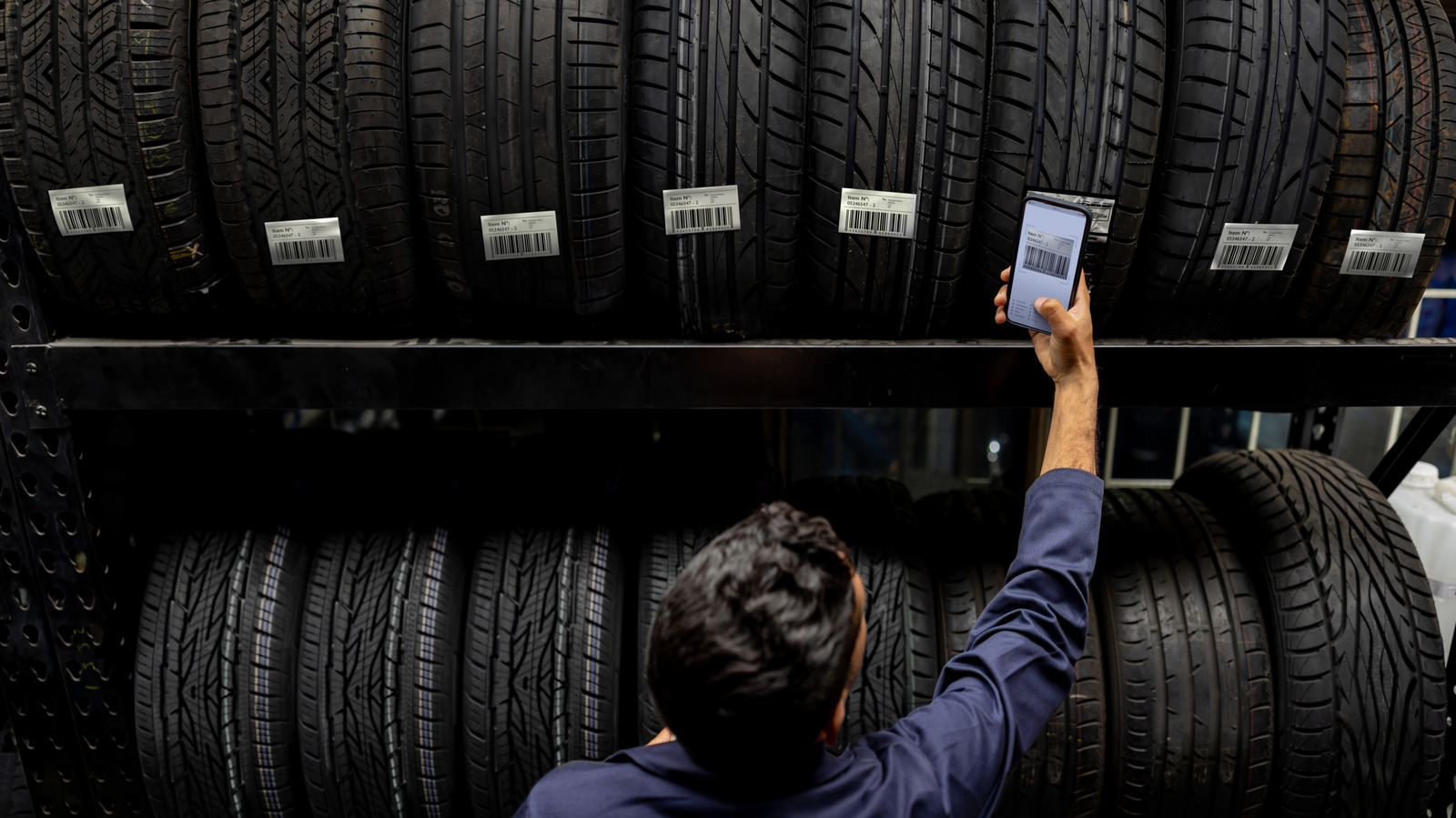
The fact that cars are getting more expensive is concerning, even without accounting for the total cost of ownership. From regular maintenance to surprise repairs, owning a car often feels like a money pit that will only get deeper. Consumables, such as tires, illustrate just how deep the pit is. For example, a good set of premium winter tires can run you over $1,200. Ditch the likes of Michelin for a more affordable tire brand, and you'll still have to cash out around $100 per pop, before taxes
and installation. All in all, if you don't have at least $500 in your savings account for the basics, you're pretty much toast when the seasons change or when your tires are hanging on by a thread (literally and figuratively).
Fortunately, you're not forced to pay everything at once. A credit card or a bank loan is a valid option, but not all Americans have a healthy credit score. That's likely why many tire shops now offer rent-to-own tire programs, something that's fairly common for things like appliances. The way it works is that you apply for the program at the shop or online. Since your credit score won't matter here, do note that approval depends solely on your income. Once approved, you can take the tires with you, and then pay a weekly or monthly amount over the agreed term. When the set term is over (or you settle the debt early), you're officially the owner of that particular set of tires.
Read more: 5 Drawbacks Of Using All-Weather Tires
The good side of rent-to-own-tires
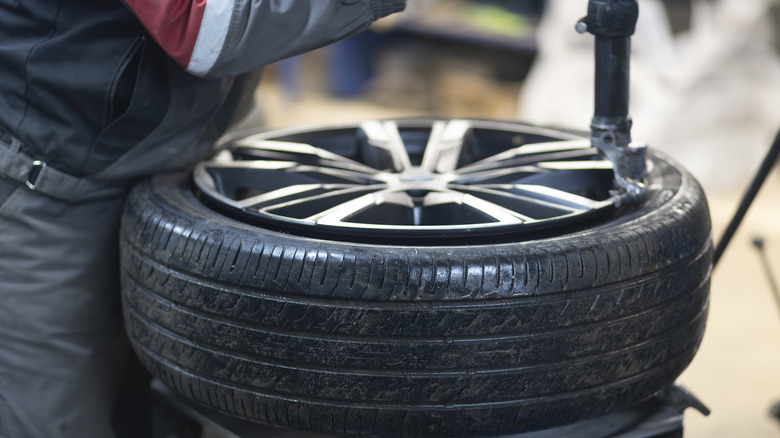
Sometimes it truly feels as if just breathing wrong can drop your credit score. Once the damage is done, you may not qualify for lending programs with traditional banks. As such, being able to rent tires (with the eventual goal of owning them) at any time, regardless of your credit score, is the obvious benefit, especially if you're dealing with a surprise tire change.
This approach is also flexible, as the repayment terms are often negotiable. For instance, you could pay as low as $24 for a set of tires weekly for a set number of weeks. Alternatively, you could pay monthly for up to three years with some organizations, which you'll probably barely feel. If just knowing you owe money is too stressful, most programs allow you to change the terms after the fact. You could also add extra dollars to your recurring payments to pay the tires off faster, or if you get a sudden cash infusion, you can pay off the total remaining debt. You can even return the tires if you feel like it, but of course, check your agreement's terms to find out if you can get your money back.
The dark side of rent-to-own-tires

Not to disparage businesses that offer these payment programs, but the arrangement often leaves the consumer with the shorter end of the stick, so to speak. The obvious downside of any system that allows you to pay later (even buy now, pay later apps come with hidden costs) is that it incentivizes poor financial planning. It may not apply to everyone, but most people already have something they're paying off.
Thus, a set of tires, no matter how flexible the lending plan is, can add strain on your monthly budget. You might make payments on time, but if tires aren't the only thing you're paying off, you're playing catch-up each month. Basically, you're digging a deeper hole with each item you pay in installments. Additionally, the reason why rent-to-own anything is problematic is that the flexibility often translates to a high markup, meaning you'll end up paying a lot more than if you slapped a bunch of cash on the counter.
Financial matters are serious, and rent-to-own should be a last resort. The arrangement makes sense if you plan on paying off the tires faster, but any other scenario puts you at a disadvantage. In the end, those low monthly payments that you barely feel might not be as flexible when you end up throwing money into the wind.
Want the latest in tech and auto trends? Subscribe to our free newsletter for the latest headlines, expert guides, and how-to tips, one email at a time. You can also add us as a preferred search source on Google.
Read the original article on SlashGear.