




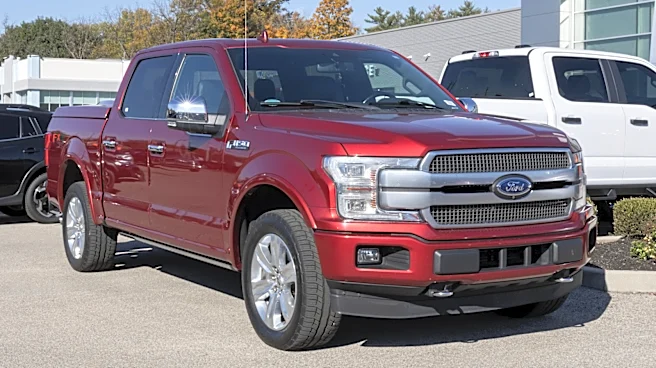

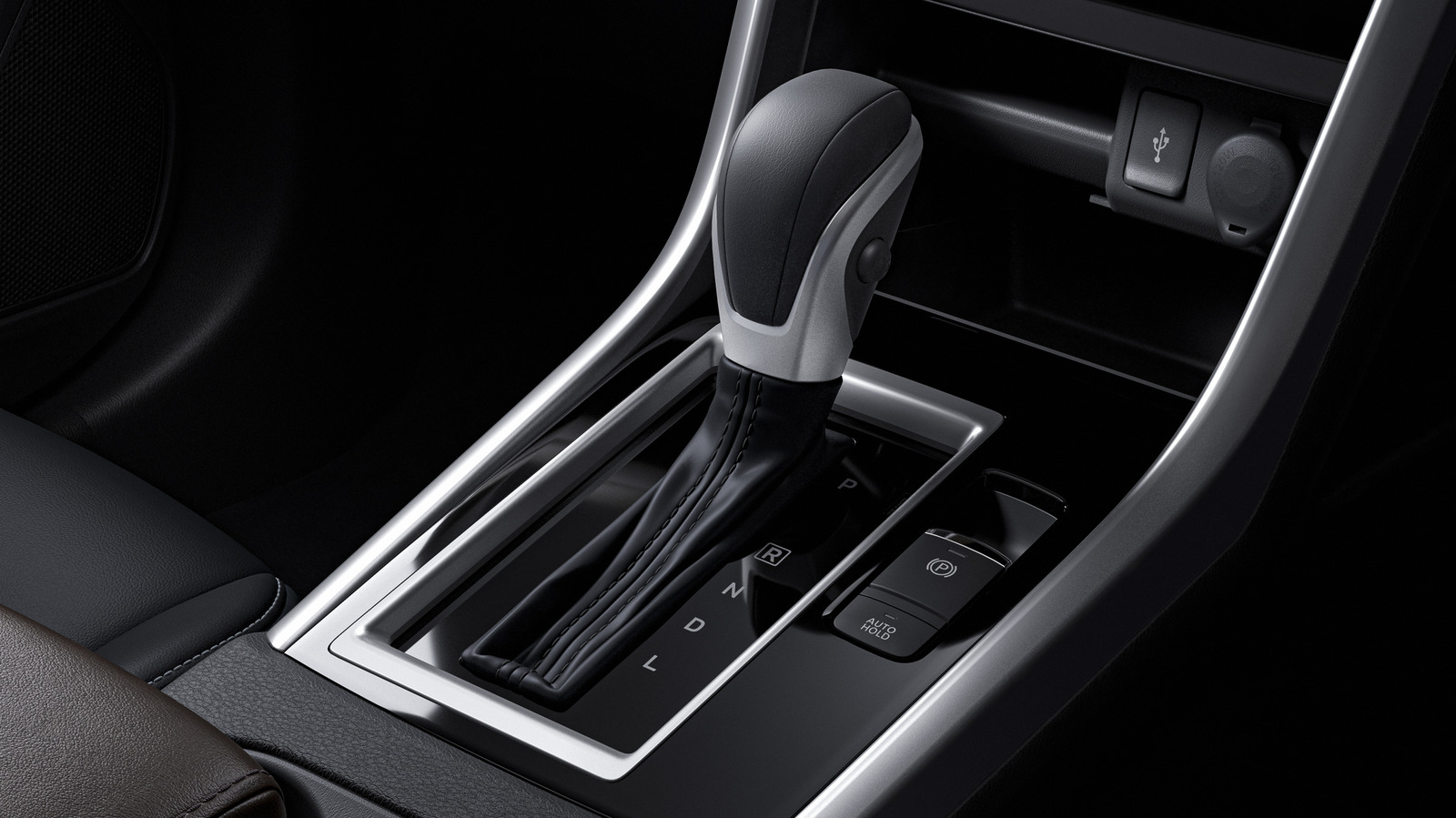
Initially paired with a twin-turbo V12 powerplant within the F01 BMW 7 Series, but eventually adopted by over 20 brands, the ZF eight-speed automatic transmission (ZF 8HP) has come to be considered one of the most reliable transmissions to ever be fitted onto a production car by drivers and mechanics alike. That's due in large part to its modular design.
The transmission can be reconfigured for conventional, mild-hybrid, or plug-in hybrid powertrains with longitudinal engines. A broad torque capacity
ranging between 162 to 738 lb-ft, depending on the exact variant, allows it to serve everything from mid-capacity three-cylinder models to high-performance V8s. As a result, it continues to be used across BMW's entire lineup as well as in cars from the likes of Audi, Porsche, Jaguar Land Rover, Dodge, Ram, Alfa Romeo, and more.
Engineered to its extremes, the ZF 8HP brings together a hydraulic converter, an integrated mechatronic unit, five shift elements, and four planetary gearsets to send power to the wheels. And while it has reduced in complexity over four generations, it remains a relatively sophisticated system that depends on precise hydraulic pressure, clean fluids, healthy solenoids, and robust seals. This means that relatively small issues caused by something as banal as improper maintenance can lead to serious mechanical symptoms that disrupt day-to-day driving.
Read more: 24 Of The Best Budget Kit Cars
Harsh or erratic gear shifts

Flipping through driver forums discussing the ZF 8HP will quickly reveal harsh or erratic gear changes as one of the more common owner-reported problems. When they do set in, owners will generally notice the transmission shifting hard in the lower gears, for instance, the 1-2 and 2-3 upshifts as well as the 2-1 downshifts. The transitions smoothen out under steady acceleration, however, vibrations and harsh downshifts can prevail around the sixth and seventh gears in some variants.
These symptoms are typically seen to occur around the time the transmission crosses the 75-80,000 miles mark, but can also emerge earlier in certain cases. A common factor is low or degrading transmission fluid owing to leaks caused by aging seals or neglecting maintenance. This results in the clutch slipping under load or engaging abruptly once hydraulic pressure recovers.
Separately, a fluid change without resetting adaptation values can cause the clutch to behave erratically due to the transmission control module (TCM). Through the transmission's lifespan, the TCM notes values such as minimum hydraulic pressure and filling time for each clutch, which are corrected over time to compensate for clutch wear, aging fluid, and other factors. Resetting adaptations is recommended after fluid changes and mechatronic repairs, however, the TCM will take time to learn new values. During this time, it is common to observe inconsistent clutch engagement before it finally settles down.
Mechatronic woes
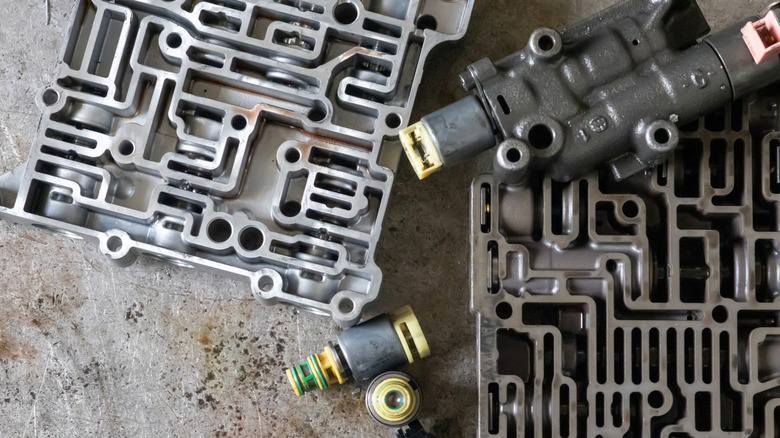
The mechatronic unit is the mother base for the ZF 8HP's electronics and hydraulic control units, effectively combining the TCM, valve body, and solenoid pack. It is responsible for clutch operation by directing pressurized fluid toward the clutch packs and brakes as chosen by the TCM's shifting strategy.
This level of integration means a relatively minor fault within the system can result in alarming transmission behavior on the road. Common owner-reported symptoms associated with the mechatronic unit include harsh gear changes or rpm flares on upshifts, delayed engagement, and intermittent limp mode.
Such mechanical symptoms do not always translate into a mechanical failure; a Stellantis service bulletin for the 2015 Jeep Grand Cherokee attributes bumpy or delayed gear shifts as well as rpm flares while downshifting to software calibration. The fix merely required technicians to reprogram the TCM with the latest available software. That said, if the problems persist even after ruling out the above, it might be time to check on your solenoids.
Transmission fluid leaks
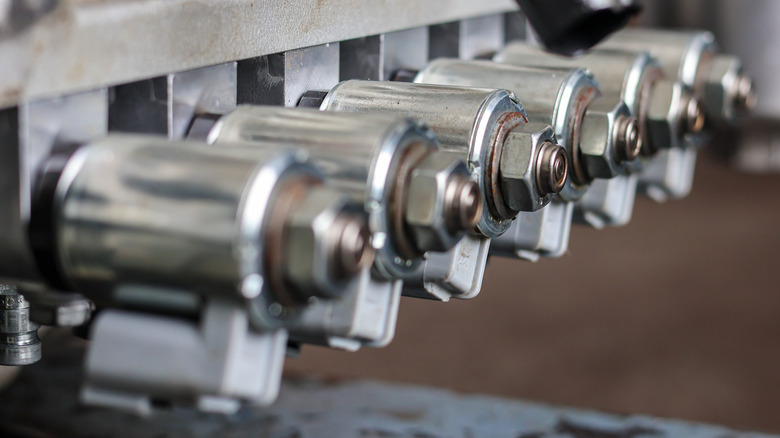
ZF 8HP transmissions rely heavily on precise hydraulic pressure control in order to operate their planetary gearsets and transfer power to the wheels. As a result, leaks within the mechatronic system can disrupt this process, showing up as major electrical or hydraulic faults that resemble bad solenoids. The underlying root cause either way often shows up as a worn mechatronic sleeve, causing a leak identifiable as a reddish-brown drip near the electrical connector.
The sleeve shields the wiring between the transmission and the TCM, with O-rings sealing the gaps to prevent fluid from reaching the electrical connections. These O-rings are prone to developing cracks within them as they harden and shrink with age, allowing fluid to seep though. Aside from draining hydraulic pressure, such leaks can corrupt the solenoid circuits and potentially damage the TCM.
The other common points of leakage are the oil cooler lines that carry hot transmission fluid to the external radiator and back. A 2015 service guideline issued by BMW for certain ZF 8HP-equipped models documented fluid leakage around the cooler line connections, attributed to O-rings that wore out over time. Such a leak will eventually drain hydraulic pressure and cause the transmission to overheat.
Internal pressure loss
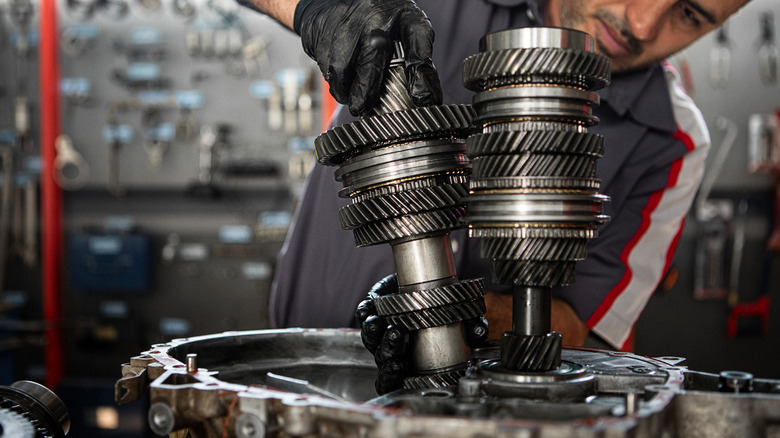
The solenoids themselves can wear out over time as a result of debris contamination, worn valve housings, and electrical problems. However, worn solenoid seals are the more common source of trouble around owners of ZF 8HP-equipped cars. And if there is anything that we have established so far, it is that aging O-rings are no less than kryptonite for the ZF 8HP and similar transmissions that depend on hydraulic pressure to engage gears.
Once the seals begin to leak, the solenoids fail to regulate hydraulic pressure and cause slipping or delayed engagement. These symptoms resemble those of an actual faulty solenoid and require a thorough assessment before jumping to costlier conclusions.
The priming valves are another source of internal pressure loss that can masquerade as a bad solenoid. Since they regulate how much transmission fluid reaches the solenoid, wear over time lets pressure escape before they do so. This results in delayed gear changes and wrong gear starts even when the solenoids themselves are in good condition. Subsequently, if solenoid-feed pressure is too high, it results in gear-ratio codes, harsh gear changes, and excessive line pressure.
Torque-converter shudder
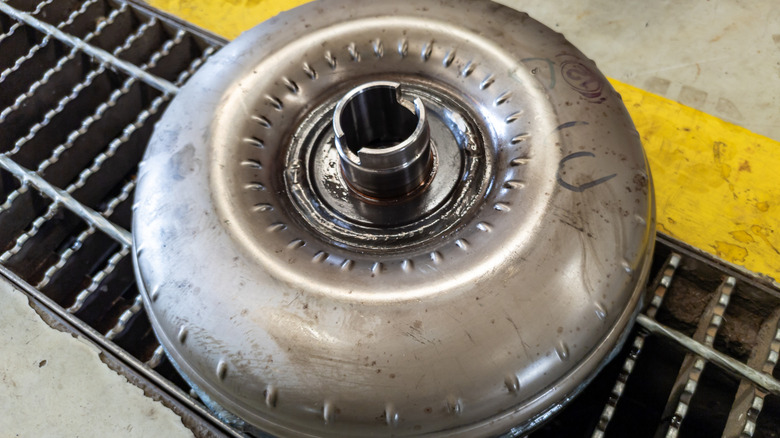
Another common mechanical issue among aging ZF 8HP transmissions is torque-converter shudder. Forum discussions between owners of BMWs and Rams equipped with the transmission reveal how the symptoms manifest as a vibration or shudder under light acceleration and may occur within a particular rev range. In some cases, the shuddering is borderline violent with the end result amounting to a transmission replacement.
The ZF 8HP's torque-converter transfers engine power to the transmission using fluid, enabling the driver to take off from a stop. It also contains a slipping lock-up clutch, which engages at cruising speeds to connect the engine and transmission more directly and reduce power loss. Hence, when the torque-converter develops a fault, it can set off a chain reaction down the driveline and cause severe drivability issues.
Torque-converter shudder occurs when this clutch fails to engage smoothly, causing unnecessary slipping and vibrations throughout the drivetrain. Over time, the friction materials of the lock-up clutch can wear out under exposure to excessive heat and degrading fluid. Prolonged clutch wear can send debris flowing through the valve-body, in which case it can clog up hydraulic passages and affect solenoid operation.
Transmission slipping and clutch wear
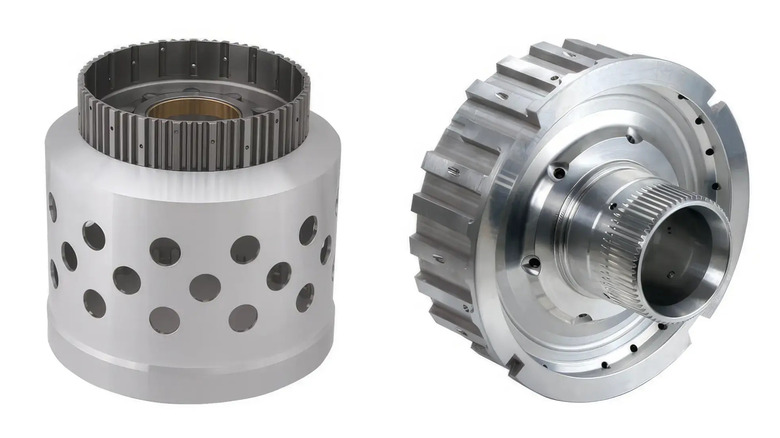
The cause for transmission slipping on ZF 8HP variants can go beyond the torque-converter and hinge on the clutch assembly itself, with concerns raised in the past about damaged clutch plates and hubs. Symptoms reported by owners often include the car slipping in and out of the lower gears, as well as harsh engagement higher up.
In ZF 8HP-equipped vehicles, three multi-disk clutch packs and two brakes operate the different gearsets to send power to the wheels. These components are selectively engaged with hydraulic pressure, with the TCM determining which one needs to receive transmission fluid at any given time. As such, wear or damage within these assemblies can interfere with overall power delivery.
The D clutch (gears 4 through 8) and E clutch (gears 2, 3, 4, 6, and 8) packs are generally the point of failure within the assembly, with worn friction material being the common culprit. Under constant exposure to high temperatures and fluid, the friction material deteriorates over time, allowing the plates to essentially eat into the clutch hub. When this occurs in the D clutch pack, it can create vibrations or shuddering in the higher gears. If it is the E clutch instead, it can affect how the lower gears are engaged.
Stuck in park
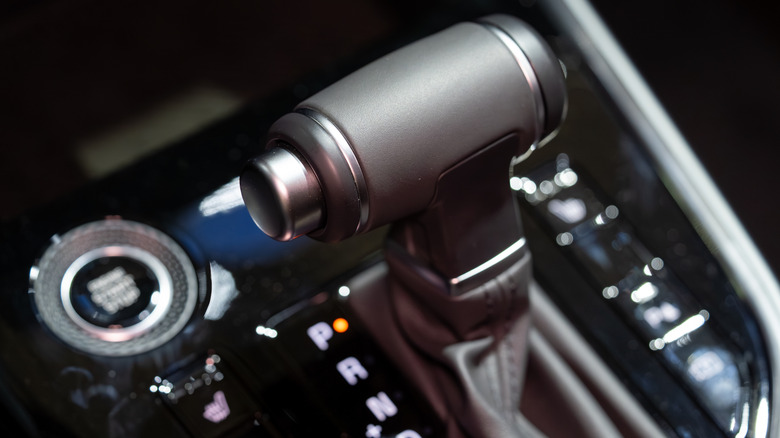
While several of the problems associated with ZF 8-speed transmissions can be traced to glaring points of failure, there is one that is relatively little cause for concern – getting stuck in park after a loss of battery power. It may set off some alarms, however, this is a failsafe operation that exists solely for the circumstance of an electrical fault.
The ZF 8HP relies on electronically operated solenoids to manage gear changes. If these components are cut off from electrical power, the transmission defaults to a failsafe operating mode with no mechanical way of shifting gears. A diagnostic study published by GEARS Magazine details how hydraulic pressure defaults to a high setting in this situation. This means that if the battery goes out while driving in a forward gear, the transmission defaults to the sixth gear until power is restored.
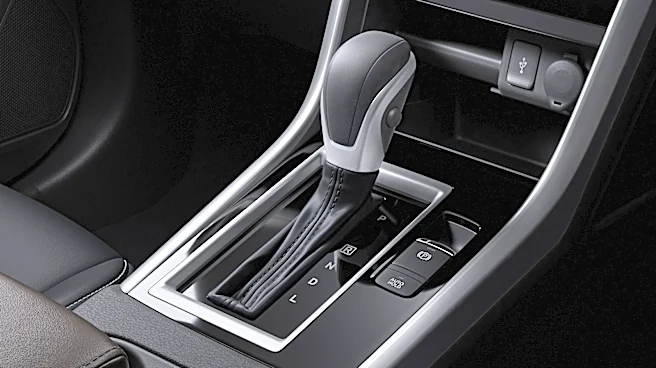
If the battery dies when the vehicle is in reverse, park, or neutral, the transmission will either remain or default to park mode. The driver cannot shift into neutral using the normal selector if the TCM has no power on startup and will need to operate a manual park pawl release mechanism. Depending on the make and model of the car, this can be fitted as a small button next to the car's shifter, or as a lever under the transmission housing on the driver's side.
The simpler answer is the best answer
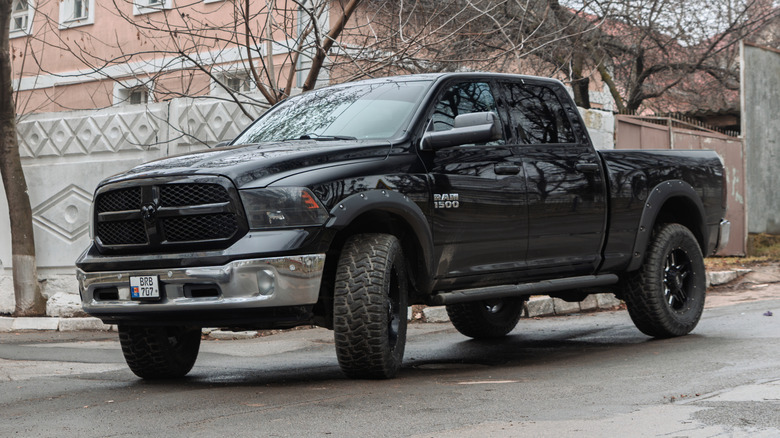
Despite the technical complexity and the nature of the issues that keep showing up, the ZF 8HP remains a relatively reliable automatic transmission, given proper maintenance and calibration. Mechanical symptoms will not necessarily point to internal mechanical damage; there are plenty of harsh and inconsistent gear changes that may seem to emerge from sophisticated faults but will ultimately be traced to simpler answers such as incorrect fluid levels.
On encountering any behavior that seems out of the regular, the first steps should include checking for leaks and verifying the fluid level using the OEM prescribed temperature and filling procedure. While some manufacturers, like ZF Friedrichshafen AG themselves, state that ZF 8HP transmissions are filled with lifetime oil, the frequency of fluid changes will come down to factors such as driving conditions and debris contamination, among others. Scanning for fault codes may point toward the faulty component, but a complete diagnosis will remain out of reach without ruling out the basics.
Similarly, looking for software updates is always safer than condemning the mechatronics because someone online decided your shift quality is too poor. After all, no matter how much the ZF 8HP has simplified over the years, it continues to carry a list of demands that runs long and remains precise.
Want the latest in tech and auto trends? Subscribe to our free newsletter for the latest headlines, expert guides, and how-to tips, one email at a time. You can also add us as a preferred search source on Google.
Read the original article on SlashGear.