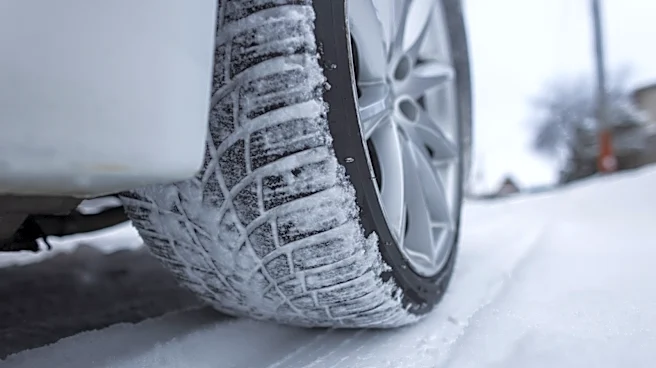








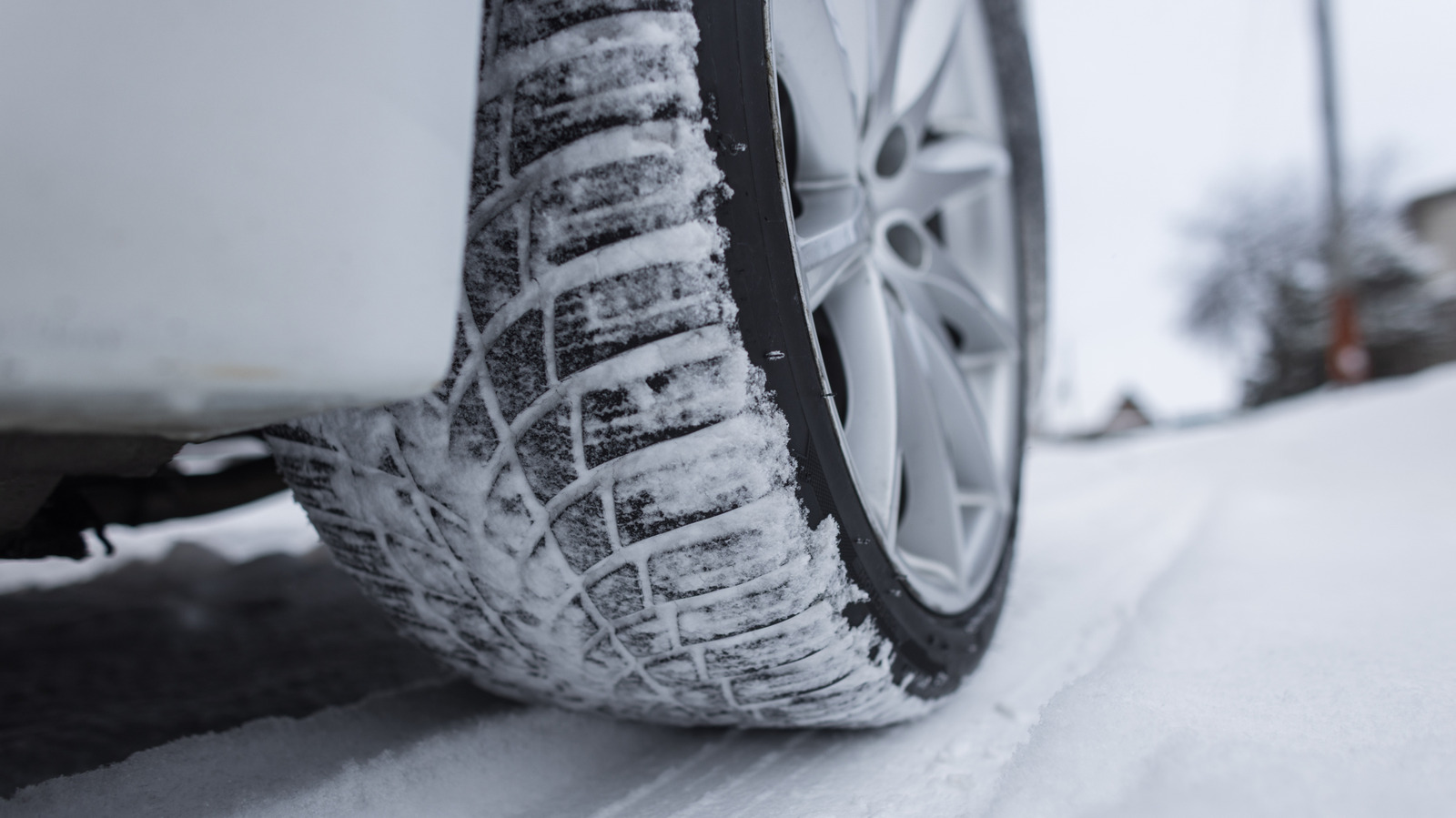
Driving on snow and ice can be tricky, but the world doesn't stop for bad weather days. It doesn't help that there are still persistent winter driving myths motorists need to stop believing, like lowering tire pressure for increased traction. Nevertheless, one of the ways drivers have handled the cold season, is with winter tires. They use a specialized compound that enables the rubber to remain flexible in frigid temperatures and a tread pattern with proven effectiveness on snow and ice. Snow tires can enhance
grip and vehicle control in the worst of chilly conditions.
However, it isn't all upside in terms of snow tires, with some notable negatives to be considered. For one thing, these specialized tires are expensive and only beneficial in regions that experience weeks of frigid temperatures without relief. In addition, if a warm front moves in bringing more mild temperatures and dry pavement, winter tires exhibit poorer fuel economy and handling, as well as greater road noise.
Read more: 5 Drawbacks Of Using All-Weather Tires
Costs and weather considerations
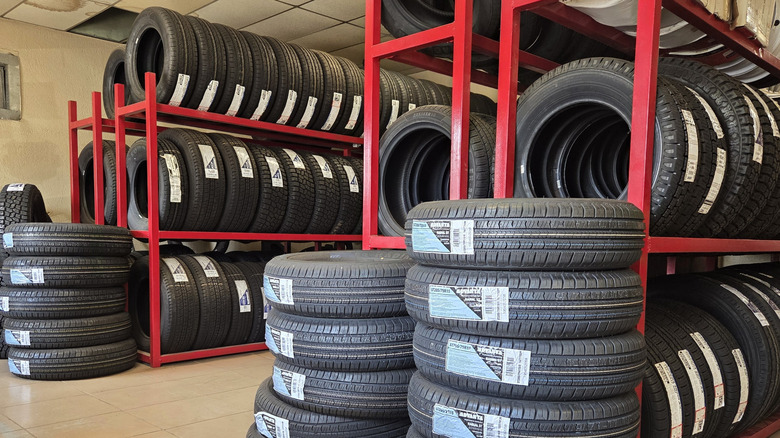
According to Kelley Blue Book, drivers looking to equip a full set of winter tires from a name brand can pay around $1,000 or higher. Depending on location, this figure can land anywhere from reasonable, to feeling completely unnecessary. Take for instance, the city of Fairbanks, Alaska, which experiences subarctic conditions for four months from December through March. Winter tires obviously make sense in the state referred to as "The Last Frontier," but for other regions of the U.S., it may not. In Northern Georgia for example, winter oscillates between brief cold snaps to lengthier periods of mild weather, with snow falling on only five days annually on average, accumulating seasonal totals of around 6 inches.
For those wondering if winter tires are worth it for their region, consider that experts recommend against them if an area doesn't regularly experience sub-45-degree Fahrenheit temperatures during the season. Sustained low temperatures are different from an occasional weather front that drops things into the 30s or 40s but then warms up again. When comparing winter vs all-season tires, those who experience more mild winters might be better off with the latter, as all-season tires perform better at temperatures above 45-degrees Fahrenheit.
Mild temperatures and dry pavement can bring lower fuel efficiency, poor handling and extra noise
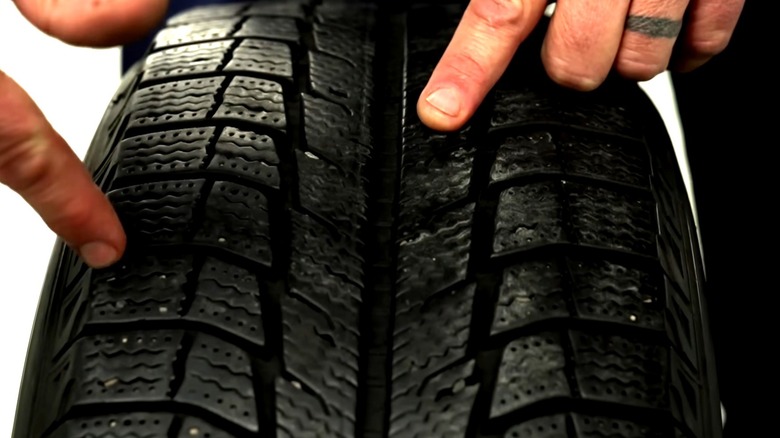
When opting for snow tires, it's crucial to understand that while they noticeably enhance performance in wintry precipitation, they have the opposite effect in mild and dry conditions. Deep grooves in the tread of winter tires along with the special compound that make them contribute to a greater rolling resistance. The more pliable rubber isn't rigid enough to get a good foothold on dry pavement, resulting in the vehicle's engine working harder as the tires continually slip. When an engine works harder, it uses more fuel, thus dropping miles per gallon figures.
If unseasonably warm temperatures move into the area, drivers with winter tires will also notice a few quirks as they navigate around town. Things like stopping distance and cornering can feel sluggish or inaccurate. This may depend on the tire, however, as Edmunds spoke with Tire Rack's Woody Rogers, who explained that in years prior, winter tire handling felt, "squishy and imprecise," but has vastly improved today. In addition, snow tires on dry roads will be louder than alternatives. Why? Tread patterns affect the sound tires make, with more aggressive, deep grooves trapping more air as the vehicle moves.
Want the latest in tech and auto trends? Subscribe to our free newsletter for the latest headlines, expert guides, and how-to tips, one email at a time. You can also add us as a preferred search source on Google.
Read the original article on SlashGear.