







When a nation develops a new fighter jet, certain capabilities get a great deal of attention. While weapons systems, radars, and other vital pieces of hardware are paramount, so too are speed and maneuverability. Each new generation of fighter jets tends to improve on these last two areas, along with a fighter's maximum total range. Range is certainly important for naval fighters, bombers, and everything else used in combat operations.
Given the many options, could a fighter jet cross the Atlantic
Ocean? The short answer is yes, with a caveat. Most would require one or more aerial refueling missions to complete the crossing. It also depends on where you're crossing the Atlantic Ocean. It's a massive body of water and not separated by continents that align perfectly with one another. The shortest possible flight would be between Ponta do Seixas, Brazil, and Pointe des Almadies, Senegal, which measures around 1,920 miles.
That's close to the longest possible distance most fighter jets can fly without refueling. Granted, a fighter's range depends on how it's measured. Combat radius is the distance a fighter can fly to a target and return, while ferry range is the total distance traveled with external fuel tanks, no weapons, and under optimal conditions. Maximum range is how far a fighter can fly in a straight line without weapons, and on internal fuel only. To determine which fighters can cross the Atlantic, it's best to stick to ferry range, which includes more aircraft than you might imagine.
Read more: Every Class Of Battleship The U.S. Navy Operated In WWI And WWII
Crossing the Atlantic Ocean
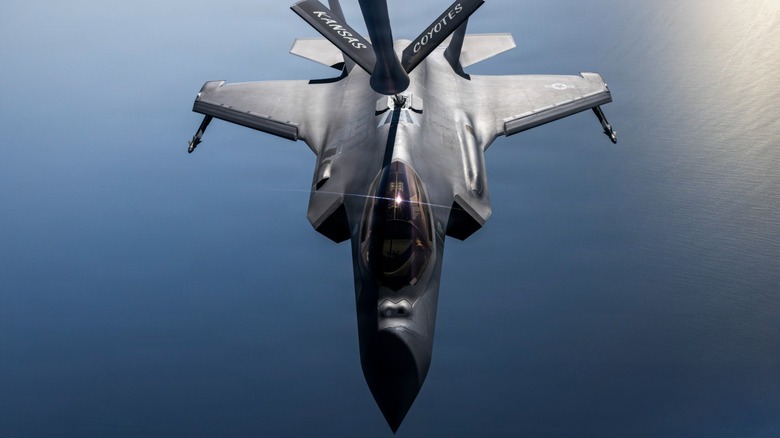
Crossing the Atlantic Ocean in a fighter jet isn't normally how the United States military or its allies operate, but it's worth exploring as a thought exercise. Under optimal conditions, with as much internal fuel as it can carry, the Lockheed Martin F-35C Lightning II has a maximum range of 1,380 miles. It's one of the longest-range naval fighters operational today. But it doesn't cover the distance, so it would have to refuel mid-air from a nearby KC-135 Stratotanker to complete the journey. And the F-35 doesn't have external fuel tanks yet.
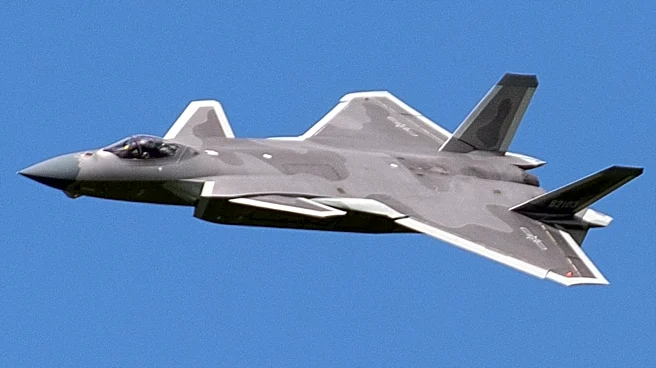
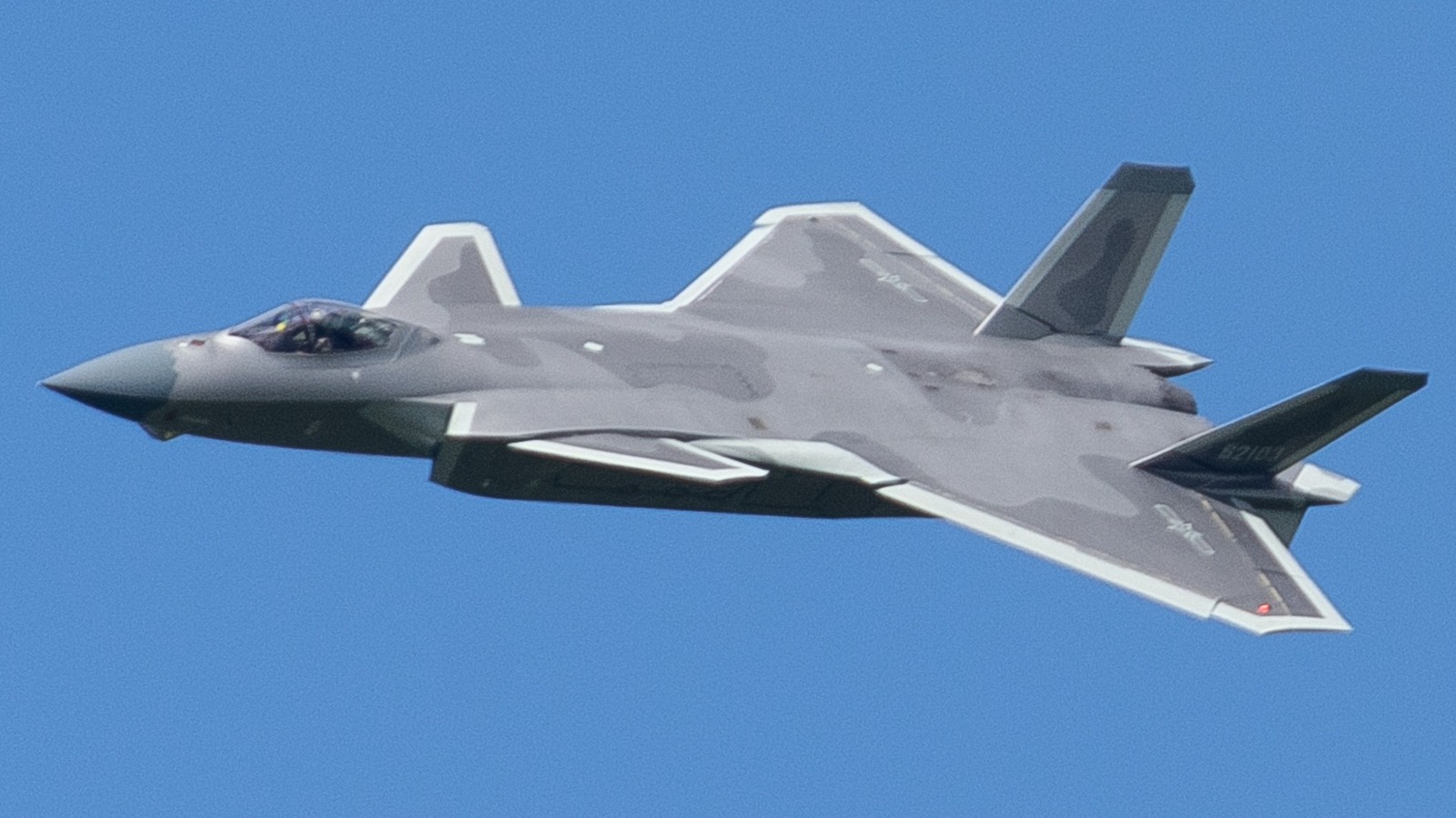
Other fighter jets do employ external drop tanks to achieve incredible ferry range distances, like the French Dassault Rafale M, which is a carrier-based aircraft. Boasting incredibly long range, it can travel an astonishing 2,299 miles. China's incredibly expensive Chengdu J-20 Mighty Dragon has a much larger internal fuel capacity than its Western rivals, and is believed to have a maximum ferry range of 3,728.5 miles. This means with external tanks, it could hypothetically cross the Atlantic, turn around, and almost make it back again.
Those are modern examples, but a historical American fighter jet had an impressive ferry range that easily covered the distance. The General Dynamics F-111 Aardvark had a range of 2,920 miles without external fuel tanks. With them, that number jumped to a remarkable 3,632 miles.
Want the latest in tech and auto trends? Subscribe to our free newsletter for the latest headlines, expert guides, and how-to tips, one email at a time. You can also add us as a preferred search source on Google.
Read the original article on SlashGear.