







There's a lot of stuff to keep in mind when launching a boat for the first time
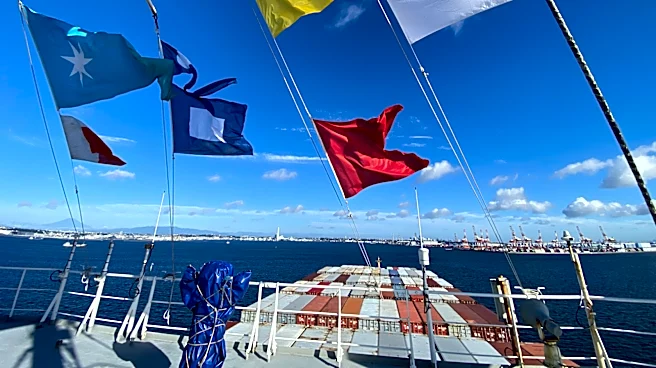
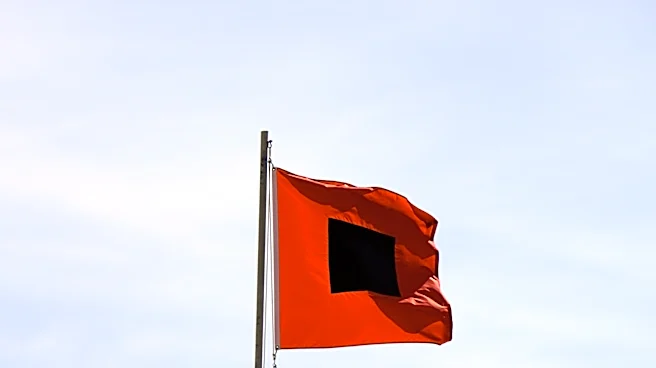
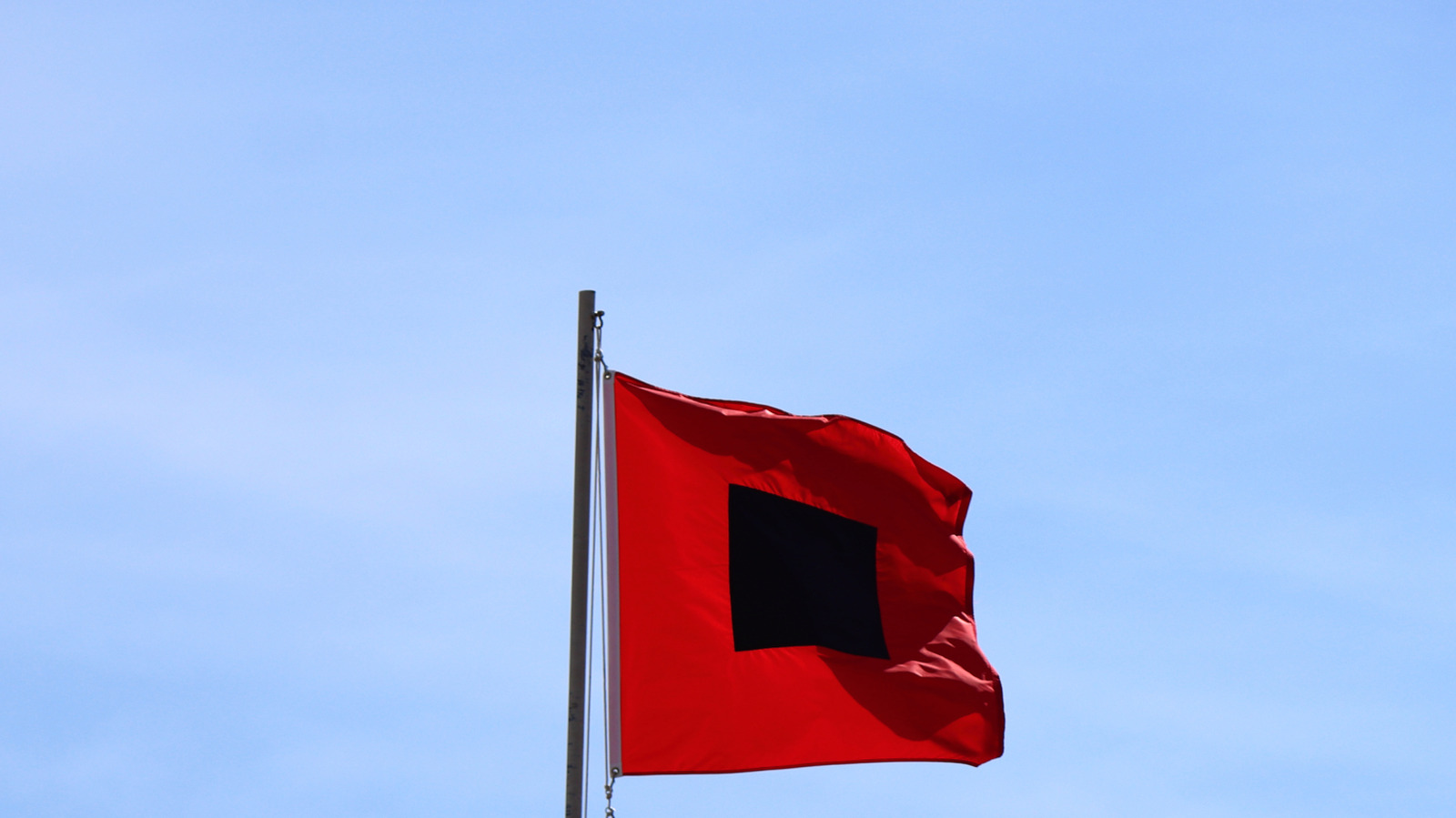
, and you'd be forgiven if you haven't memorized the full dizzying array of nautical signal flags you may encounter on the water. That said, there are some flags that impart warnings you'll want to be able to identify, one of which is a square red flag with a black square in the center. This particular flag warns sailors of a tropical storm.Unlike a red flag with a white stripe crossing it, which indicates a diver is
down in the water nearby, this red flag specifically warns of sustained winds in the range of 34 to 63 knots (equivalent to around 39 to 72 mph), the sort of speeds associated with a tropical storm.
Crucially, a single flag is a separate indicator than two flags flown together. While the single flag is just a storm warning associated with the aforementioned strong winds, two red flags bearing the centered black square are specifically a hurricane warning, with winds exceeding 63 knots.
Read more: Major Washing Machine Brands Ranked Worst To Best
How it differs from other boating weather signals

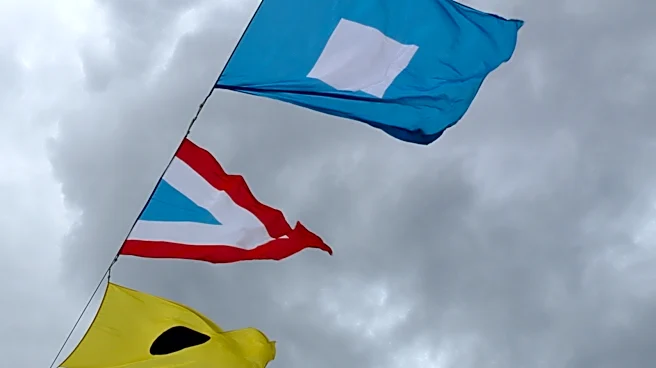
When interpreting marine signal flags, shape is crucial. A blue flag with white and red squares, for instance, is very different from a flag with the same colors as stripes. In that vein, a red pennant is very different from the tropical storm warning flag. A single red pennant indicates a small craft advisory, meaning boaters should expect winds between 20 and 33 knots or waves cresting seven feet in height or higher. Double that to two red pennants and the signal becomes a gale warning, which means winds between 34 and 47 knots.
If you spot a storm warning flag, your best bet is to check your local marine forecast before heading out, and keep monitoring updates from NOAA Weather Radio. Keeping a very high frequency (VHF) radio with weather channels onboard your boat will let you continue to monitor broadcasts as you're getting ready to head out. Also, don't assume just because you see an empty flagpole that all is clear. Check out warning details to see what waters are affected and how long the warning applies.
Want the latest in tech and auto trends? Subscribe to our free newsletter for the latest headlines, expert guides, and how-to tips, one email at a time. You can also add us as a preferred search source on Google.
Read the original article on SlashGear.