



By Anhata Rooprai and Shashwat Chauhan
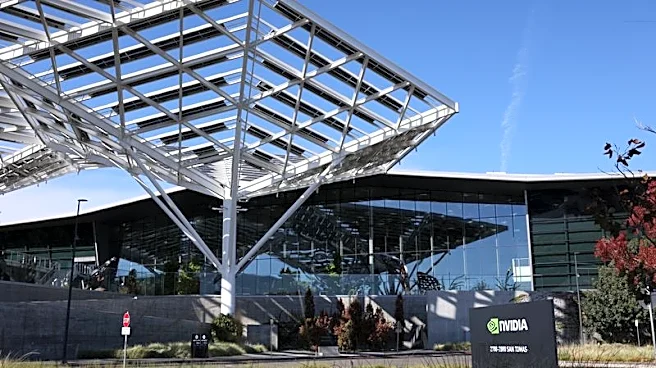
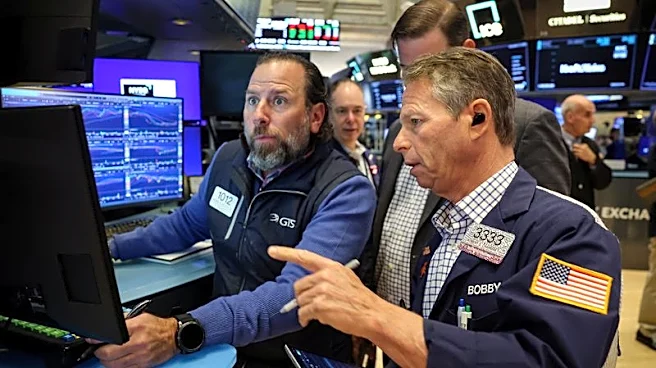
Nov 18 (Reuters) - Nvidia shares rose on Wednesday, lifting AI-linked stocks after a blockbuster forecast from the chip giant suggested surging computing demand could withstand the uncertainty caused by co-founder Jensen Huang's abrupt departure.
The gains offered Nvidia and the wider AI sector relief after a bruising selloff triggered by the leadership crisis at the company at the center of the AI ecosystem, alongside mounting concerns about China and data-center
spending.
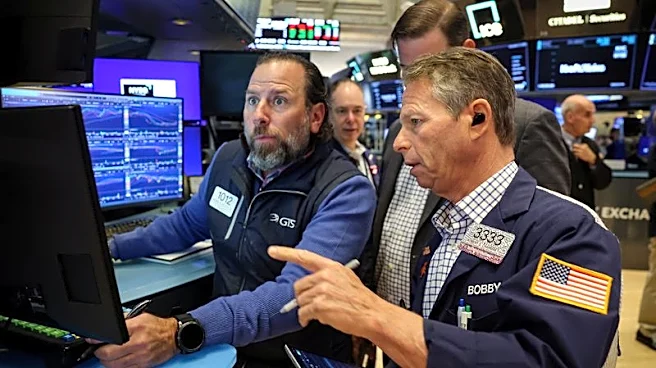
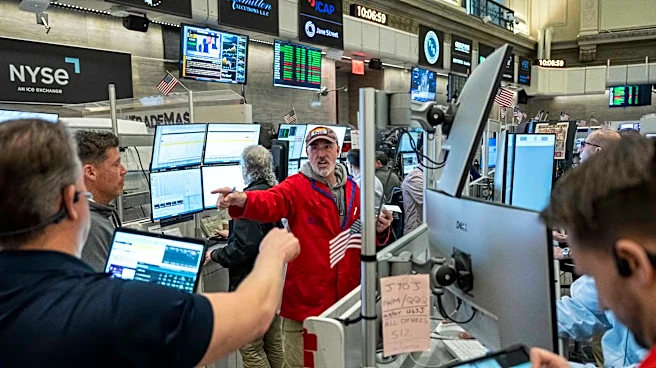
Investors focused on Nvidia’s leadership upheaval ahead of the hotly anticipated results, as the stock’s slide erased roughly $2 trillion since its October record. If sustained, its over 2% premarket gain would restore only about $87 billion.
The tech-heavy Nasdaq-100 index has shed about $1.94 trillion in market value in November so far, as of last close.
Nvidia's outlook suggested neither the leadership upheaval nor tightening US export controls have disrupted orders. It assumed no additional sales of licensed Hopper data-center products to China in its forecast, betting that demand elsewhere can offset the loss of a major market.
"The key test is whether the so far muted post-results bounce broadens beyond Nvidia and turns into sustained buying across the wider AI complex rather than another short-lived relief rally," said Axel Rudolph, chief technical analyst at IG Group.
Nvidia's premarket gains came despite an ongoing CEO search, an independent investigation and a Wall Street Journal report that the US Securities and Exchange Commission was investigating the company. These have also weighed on sentiment across AI stocks.
But on Wednesday, Nvidia-backed neoclouds CoreWeave and Nebius, chipmakers AMD, Broadcom and Intel and data-center, storage, photonics and server stocks gained between 0.2% and 6% before the bell.
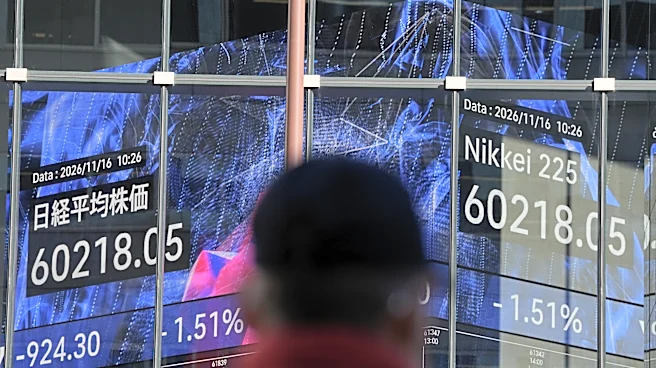
Hyperscalers Oracle, Alphabet and Amazon rose between 0.8% and 3% in premarket trading, while AI and technology stocks in Japan and South Korea also advanced.
The AI trade has also been tested since the Democrats' sweeping wins in the midterm elections stoked fears of tougher regulation of data center buildouts, sending the tech-heavy Nasdaq into correction territory earlier this month.
The next test of the AI trade will come as Anthropic prepares to price its public offering later on Wednesday, which could value the company at as much as $1.4 trillion.
BOARD SAYS NO TO HUANG
Nvidia board Chairman Harvey Jones ruled out reinstating Huang despite his offer to return. Heidrick & Struggles is leading the search for a permanent CEO, with both internal and external candidates under consideration.
Interim CEO Colette Kress said operations remained “business as usual,” citing customer and supplier support. The forecast offered the clearest evidence yet that the upheaval has not delayed Nvidia’s product roadmap or weakened demand.
Nvidia's fourth-quarter revenue forecast came above analysts' estimates, while the company also raised its fiscal 2028 growth outlook to about 75%, saying demand continued to exceed supply.
Third-quarter revenue more than doubled to $115.84 billion, marking a seventeenth consecutive estimate beat, according to LSEG data.
Adjusted gross margin reached 74.9%. Nvidia expects it to bottom between 71% and 72% this quarter as higher supply costs bite, before recovering to between 72% and 73% in fiscal 2028.
"For Nvidia, strong earnings have bought management time," Saxo strategist Charu Chanana said.
CHINA DISAPPEARS FROM OUTLOOK
China contributed $2.4 billion in licensed Hopper data-center sales during the quarter, but Nvidia assumed no such shipments in its current forecast and said it was no longer shipping those products to the country.
Management said the outlook considered current US export controls, although it was still studying parts of the new rules announced on Monday, while demand elsewhere was expected to absorb the loss of China sales.
"Kress also provided confident answers around Commerce rules citing that demand is far exceeding supply and that Nvidia is studying the rules around the chip delivery to other countries," said Christopher Brown, vice president of investments at Synovus, which holds Nvidia shares.
"We just need to understand that demand is not the same as legal ability to ship."
(Reporting by Shashwat Chauhan and Anhata Rooprai in Bengaluru; Editing by Joyjeet Das)