




By Ahmad Ghaddar and Olesya Astakhova
LONDON, Sept 2 (Reuters) - OPEC+ is likely to keep its oil output policy unchanged for October at a meeting on Sunday, three sources close to the matter told Reuters, as the producer group completes the unwinding of one layer of production cuts this month and turns its focus to 2027 quota negotiations.
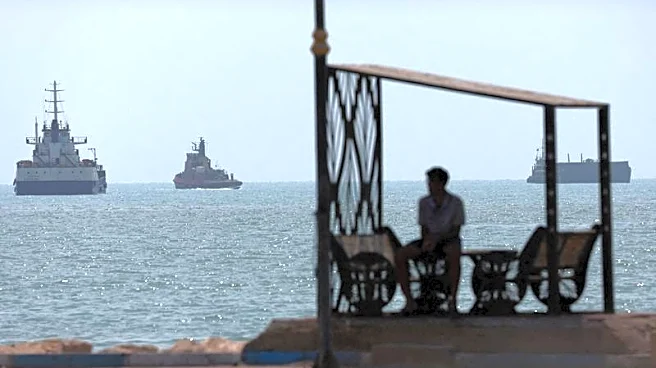
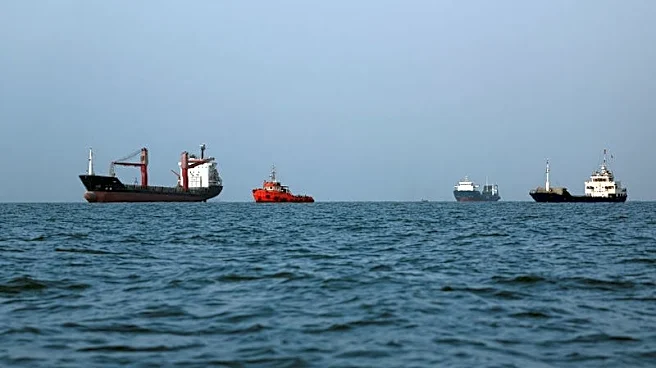
The meeting comes as the Iran war continues to disrupt oil exports through the Strait of Hormuz, reducing OPEC+'s influence over prices and market share. Unlike
in the past, the group's supply decisions now have a more limited impact on the market.
Sunday's meeting will involve seven core OPEC+ members: Saudi Arabia, Russia, Iraq, Kuwait, Algeria, Kazakhstan and Oman. The countries have been raising monthly production quotas for most of this year. Their online meeting is expected to begin at 1100 GMT, two of the sources said.
In practice, however, actual output has lagged the planned quota increases as the wars in Iran and Ukraine disrupted exports from the Gulf, Russia and Kazakhstan.
OPEC+ comprises the Organization of the Petroleum Exporting Countries and allies including Russia. OPEC, its dominant producer Saudi Arabia, and Russia did not immediately respond to requests for comment.
This month's increase, agreed in early August, completed a phased rollback of a 1.65 million-barrel-per-day supply cut first agreed in 2023, when the group still included the United Arab Emirates, which left OPEC in May.
OPEC+ still has another layer of production cuts in place, covering most members of the 21-country group until the end of 2026. It is also reviewing members' oil production capacity to determine 2027 output baselines, which form the basis for quotas.
Texas-based DeGolyer and MacNaughton, which is conducting the review for most members, is expected to submit its report to OPEC at the end of September, one of the sources said. That could pave the way for difficult negotiations before the group sets new production baselines at its year-end meeting.
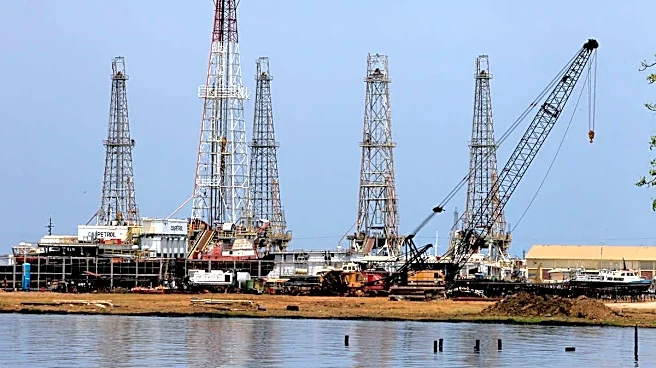
Some members, including Iraq, have pushed for higher quotas to reflect increased production capacity. The UAE left the group partly because it felt its quota did not reflect its growing capacity. Venezuela is also considering an exit from OPEC, Bloomberg News reported last week.
(Additional reporting by Maha El Dahan. Editing by Alex Lawler and Mark Potter)