



By David Shepardson
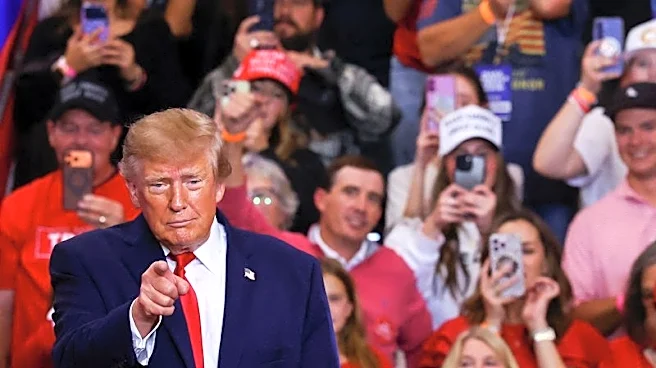
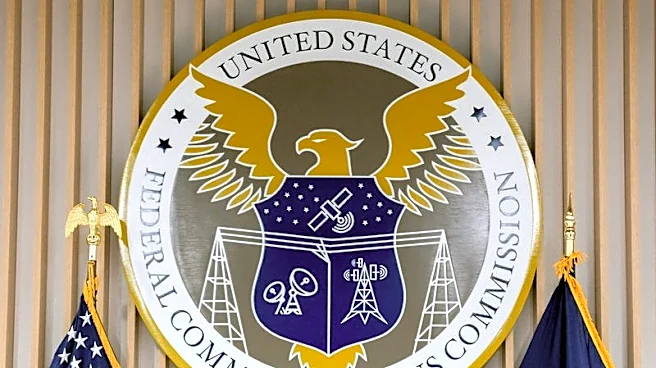
WASHINGTON, Nov 3 (Reuters) - The US Senate Commerce Committee will hold a hearing November 10 on President Donald Trump's nominee to serve on the five-member Federal Communications Commission that is considering the fate of Walt Disney's eight company-owned ABC television stations.
In August, Trump nominated Danielle Thumann Severs, a senior counsel to FCC Chair Brendan Carr, to serve on one of the two open seats. The FCC currently has two Republicans and one Democrat, Commissioner
Anna Gomez, who some believe Trump might fire if his nominee is confirmed.
The FCC historically is divided 3-2 with the party in control of the White House holding a majority. The law requires three members for a quorum. US law requires that only three of the five FCC commissioners can be from the same political party.
Last month, Democratic US Senator Ron Wyden said that a 1982 law requires the FCC to have political balance at any operational size. If there are three commissioners on the FCC, only two can be from the same political party, Wyden said.
Trump fired two Democrats on the Federal Trade Commission and dismissed numerous other Democrats from other agencies including the National Transportation Safety Board, National Labor Relations Board and National Science Foundation Board. Some of those agencies are required by law to have commissioners from both parties.
In April, Carr ordered an unprecedented early license review for all of Disney's ABC stations. The day before his order, Trump urged ABC to fire late-night host Jimmy Kimmel.
Disney's stations' license renewals were not scheduled to be considered until October 2028. Before April, the FCC had not ordered an early review in more than 50 years.
Disney has sued the FCC to block an early review of the ABC licenses and a US judge has not yet issued a ruling. Carr said last week he had not made any decisions on whether to seek to revoke them.
At the Senate committee hearing, Severs is likely to face questions on the FCC's oversight of Disney as well as efforts to expand wireless spectrum and attempts by Elon Musk's SpaceX company to obtain wireless spectrum in order to compete with the three major US telecom carriers.
Trump has repeatedly urged broadcasters to drop comedy or news programs he dislikes or which have been critical of his administration. He has pressed Carr to revoke licenses of broadcasters he finds unfair. In July, Trump called on the FCC to revoke licenses of Comcast-owned NBC and ABC for deciding not to air his remarks on election security on their broadcast channels.
Broadcasters have broad First Amendment rights to make content decisions.
Individual broadcast stations need FCC licenses to use public airwaves. While license revocations are exceptionally rare, critics say the prospect of losing a license can pressure broadcasters and raise concerns about government interference in editorial and programming decisions.
(Reporting by David Shepardson, Editing by Franklin Paul and David Gregorio)