
By Jesus Calero
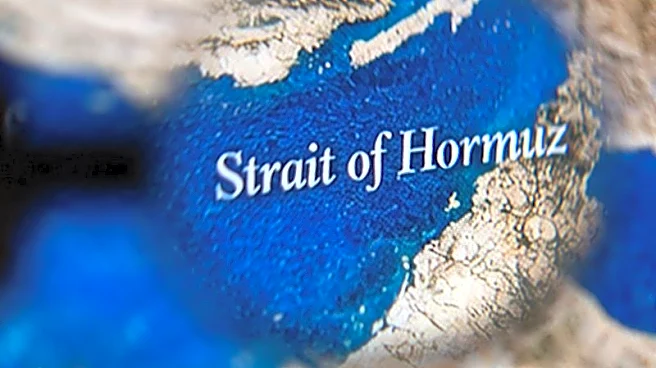
April 17 (Reuters) - Shipping companies have cautiously welcomed Iran's announcement that the Strait of Hormuz is open but said they would require clarifications before vessels move through the entry point to the Gulf.
Foreign Minister Abbas Araqchi said on Friday that the Strait of Hormuz was open to all commercial vessels during a 10-day Lebanon ceasefire accord, prompting a fall in oil and other commodity prices while stock markets rose.
"We are currently verifying the recent announcement
related to the reopening of the Strait of Hormuz, in terms of its compliance with freedom of navigation for all merchant vessels and secure passage," said Arsenio Dominguez, secretary-general of UN shipping agency the International Maritime Organization (IMO).
The Norwegian Shipowners' Association said several things had to be clarified before any ships can transit the strait, including the presence of mines, Iranian conditions and practical implementation.
"If this represents a step towards an opening, it is a welcome development," said Knut Arild Hareide, CEO the association, which represents 130 companies with some 1,500 vessels.
German shipping group Hapag-Lloyd was reviewing the situation and "probably we will pass soon", a spokesperson said.
Danish shipper Maersk and France's CMA CGM were not immediately available for comment.
Norwegian oil tanker group Frontline declined to comment.
All commercial ships including U.S. vessels can sail through the strait although their plans need to be coordinated with Iran's Islamic Revolutionary Guard Corps (IRGC), a senior Iranian official told Reuters.
Transit would be restricted to lanes which Iran deemed safe, adding that military vessels were still prohibited, the official said.
U.S. President Donald Trump on Friday said Iran had agreed to never close the strait again, and that it was removing sea mines from the strait.
The threat posed by mines in parts of the strait is not fully understood and avoidance of the area by ships should be considered, a U.S. Navy advisory seen by Reuters said on Friday.
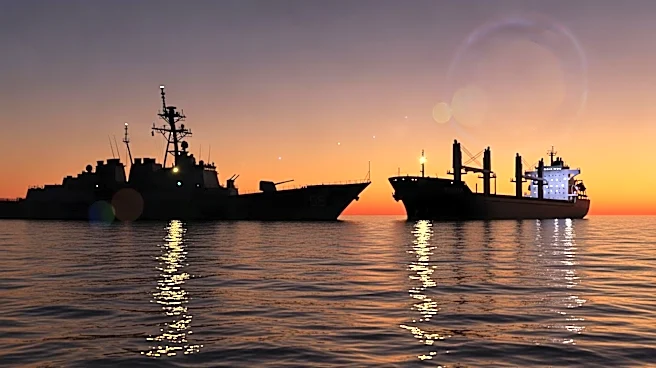
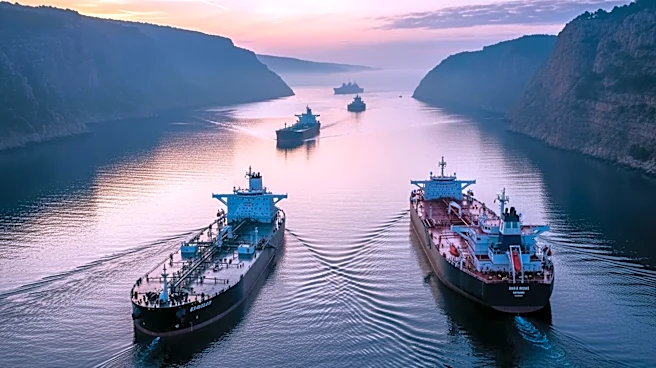
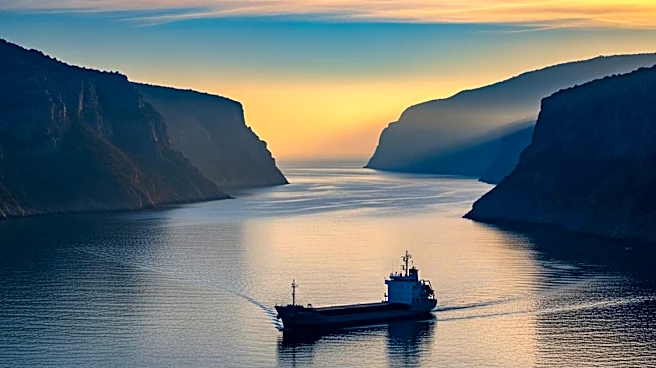
One of the world's most important maritime chokepoints, disruption in the strait has forced shipping companies to suspend sailings, reroute cargo and rely on costly workarounds to keep goods moving into and out of the Gulf.
(Reporting by Jesus Calero in Gdansk, writing by Louise Rasmussen and Nerijus Adomaitis, editing by Terje Solsvik, Louise Heavens, and Jason Neely)