


By Ashitha Shivaprasad
Jan 30 (Reuters) - Oil prices are likely to hold near the $60 a barrel mark this year, as the prospect of oversupply in the market offsets the impact of geopolitical tensions that could disrupt cargoes, a Reuters poll showed on Friday.
The survey of 31 economists and analysts conducted in January forecast that Brent crude would average $62.02 per barrel in 2026, slightly up from December's forecast of $61.27. Brent was trading around $70 on January 30 and averaged around $68.20
last year.
U.S. crude is projected to average $58.72 per barrel, compared with December's estimate of $58.15. Prices averaged $64.73 in 2025.
Geopolitics are at the fore following U.S. President Donald Trump’s threats to Iran, expanded sanctions on Russia, and unrest across the Middle East. All pose supply risks.
However, analysts said U.S. trade policy shifts, China’s demand trajectory, and OPEC+’s next steps will also steer prices this year.
"Geopolitics brings lots of noise but neither the events in Venezuela nor Iran should ultimately alter the big picture. The oil market appears to be in a lasting surplus," said Norbert Ruecker, head of economics & next generation research at Julius Baer.
Analysts expect that surplus to range from 0.75 to 3.5 million barrels per day.
VENEZUELA SUPPLY ADDITIONS WILL TAKE TIME
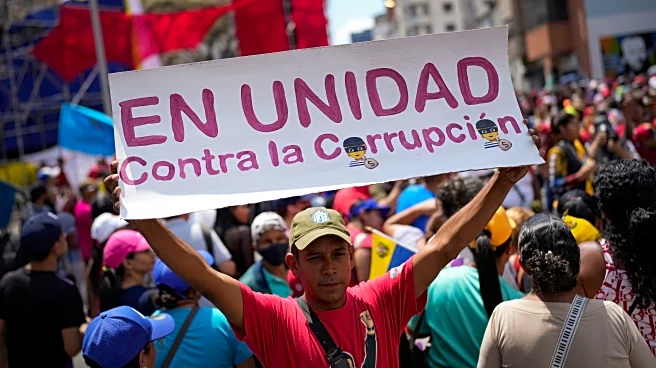
Analysts broadly expect it to take years for any major increase in production from Venezuela after the U.S. capture of President Nicolas Maduro earlier this month.
Kpler anticipates Venezuelan supply will dip through April because of the U.S. crackdown on tankers under sanctions, but that it will rebound in the second half of the year as existing infrastructure is reactivated.
Any increases in oil production beyond this will require sustained investment, prolonged political stability, the replacement of ageing infrastructure and the backing of international firms, Kpler added.
OPEC+ POLICY IS ALSO IN FOCUS
OPEC+, which meets on Sunday, is unlikely to take any decisions beyond March at the meeting, three OPEC+ delegates told Reuters.
The eight members raised oil output targets by around 2.9 million barrels per day last year, but paused those hikes for the first quarter of 2026.
"OPEC+ will defend a price floor while also watching its market share. If consumption grows enough, the coalition could carefully increase output to meet rising demand without flooding the market," said Cyrus De La Rubia, chief economist at Hamburg Commercial Bank.
(Reporting by Ashitha Shivaprasad in Bengaluru, Editing by Kavya Balaraman and Barbara Lewis)